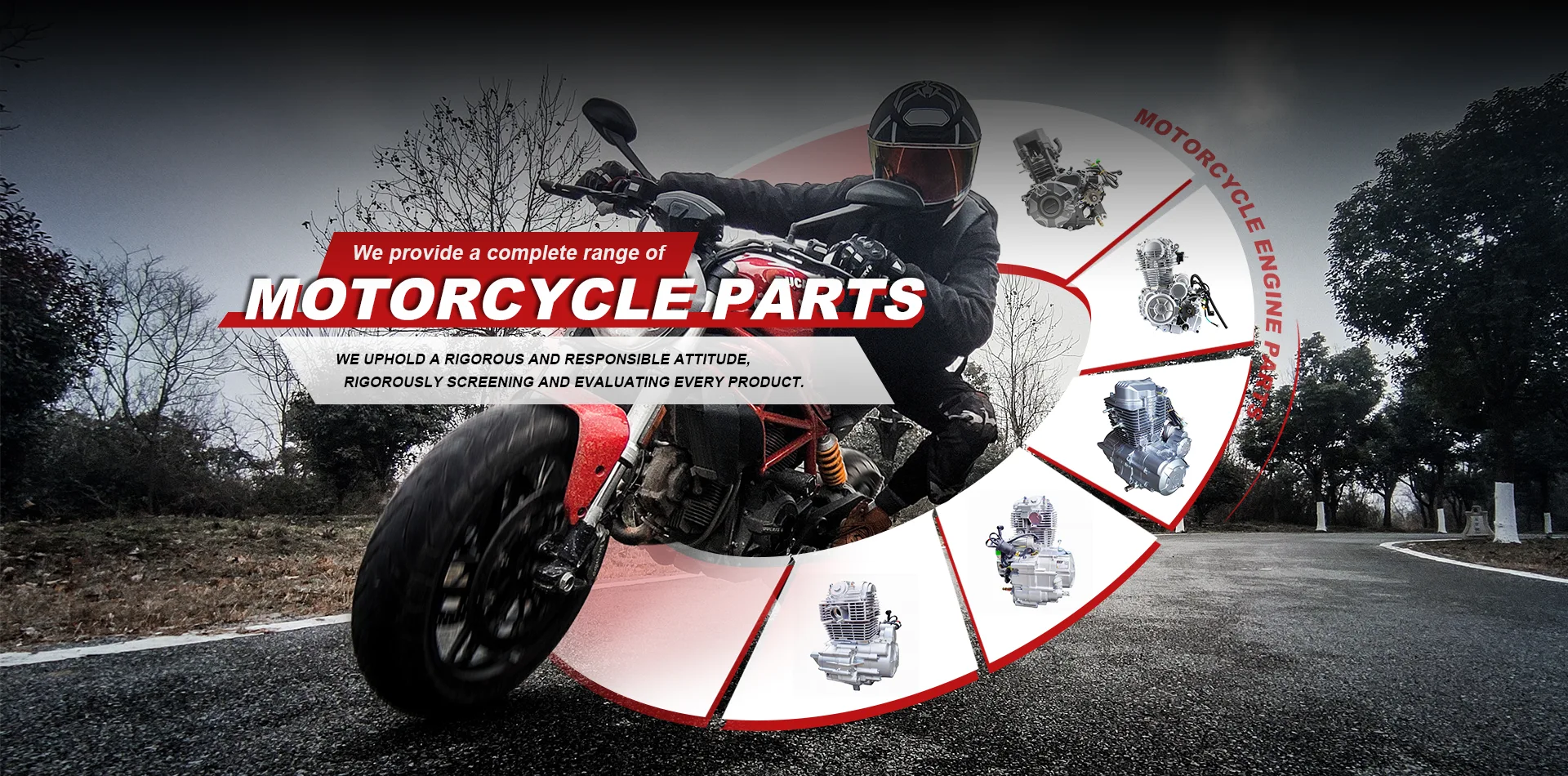
With years of deep cultivation in the field of motorcycle parts and accessories, Ningbo Max Trading Co., Ltd. has accumulated rich and valuable experience and is committed to building a diverse product line. We uphold a rigorous and responsible attitude, rigorously screening and evaluating every product. Since its establishment, we have always adhered to the concept of professionalism and customer first, steadily growing into a trusted supply chain partner in the industry. Since its establishment, the company has always strictly controlled every aspect of the product: carefully selecting more than 100 cooperative factories from key manufacturing regions in China, building a rich product line covering eight key categories of engine systems, transmission systems, walking systems, control systems, electrical systems, body parts, riding gear, and aftermarket accessories, and rigorously evaluating each product to ensure performance and quality standards.
Cooperative
Factory
Product
Line
After-Sales
Service
Applicable
Vehicle Models

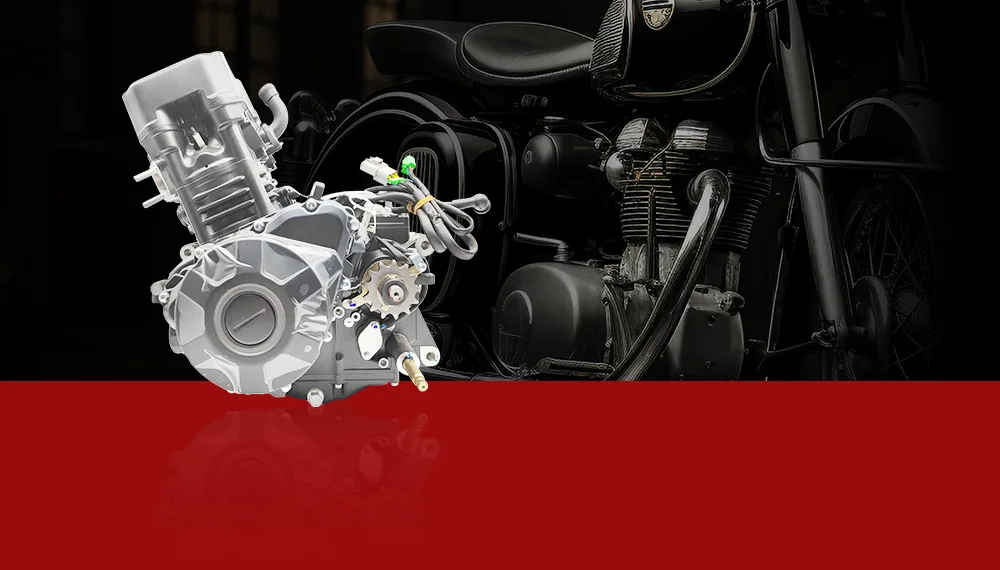
Max Trading is a motorcycle parts supplier from China, specializing in providing motorcycle engine parts for various brands and models. Max Trading collaborates with outstanding suppliers to establish long-term partnerships. We supervise the entire process from raw material procurement to production, testing, and transportation, and have detailed standards and specifications at every stage to guarantee the quality of the motorcycle engine parts is qualified.
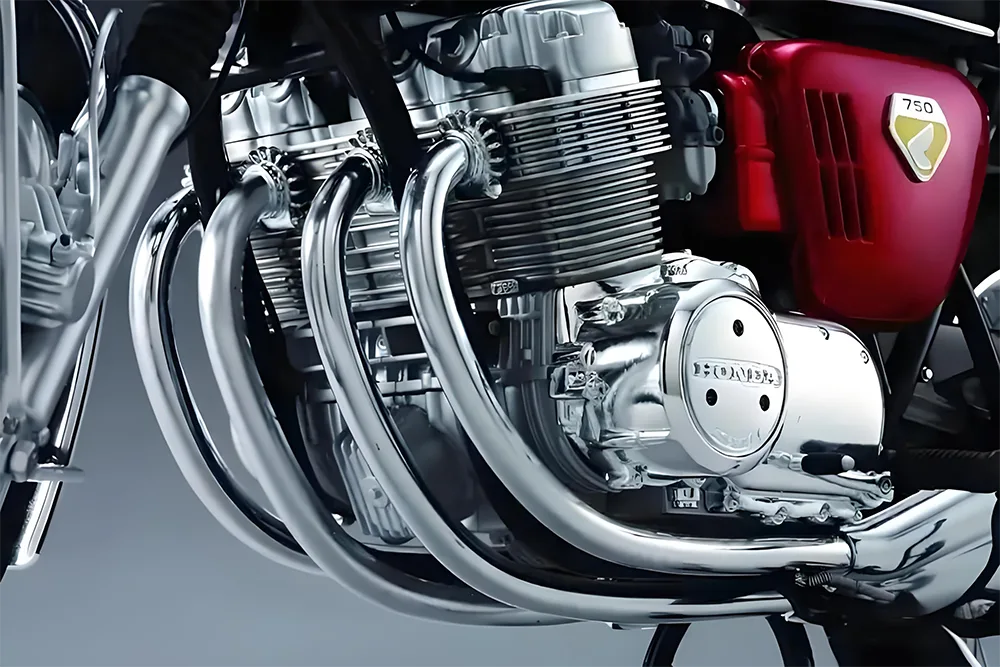
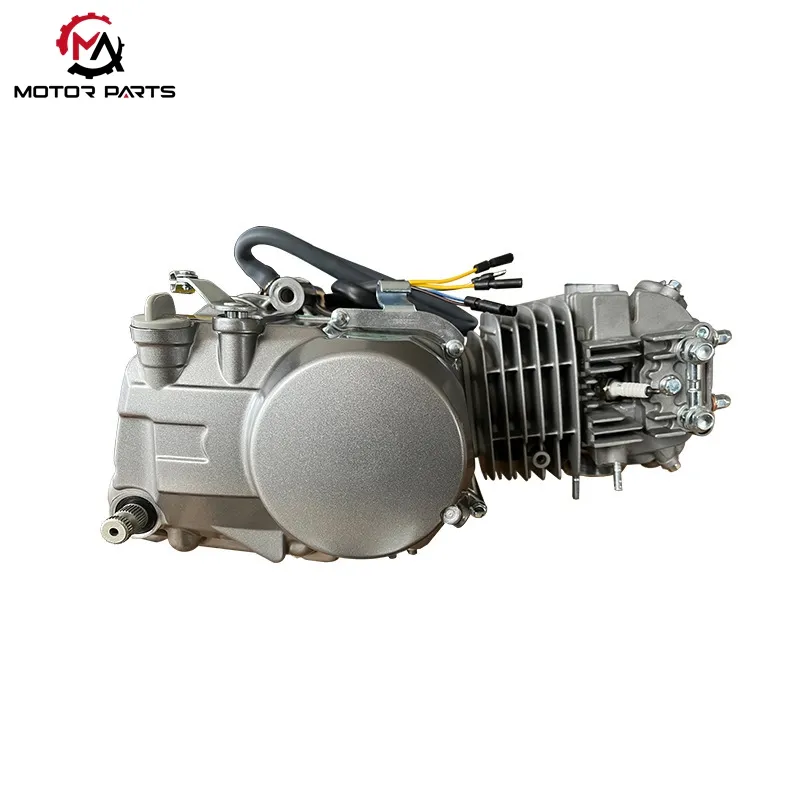
Motorcycle engine parts is the main system for motorcycle operation. It converts chemical energy into mechanical energy through the combustion of fuel in the engine cylinder. The engine burns gasoline/diesel to produce high-temperature and high-pressure gas, which drives the piston to move, and through the crankshaft, converts it into rotational power to drive the rear wheels to rotate, injecting energy into the motorcycle's travel.
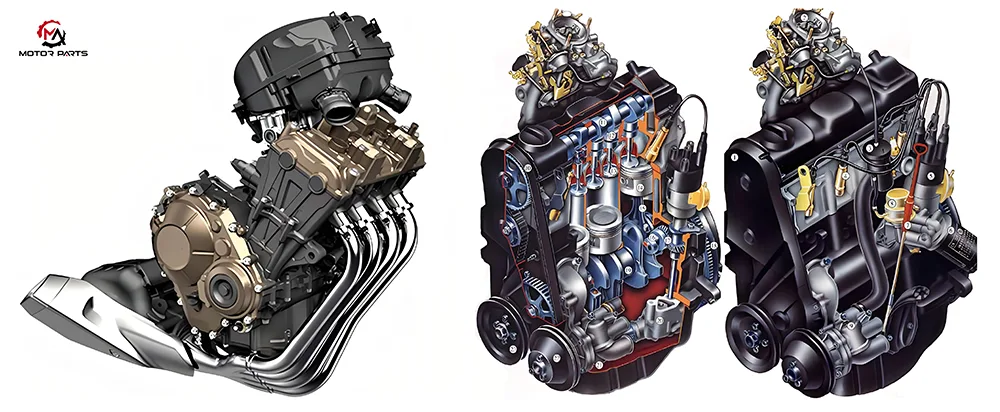
The overall structure of the engine parts consists of the following facts: basic fixing components, piston assembly, crankshaft connecting rod assembly, valve system, as well as the intake and exhaust system, cooling system, lubrication system, starting device, and other systems that assist in the operation of the engine. These important parts work together like human arms, forming the complete architecture of the engine.
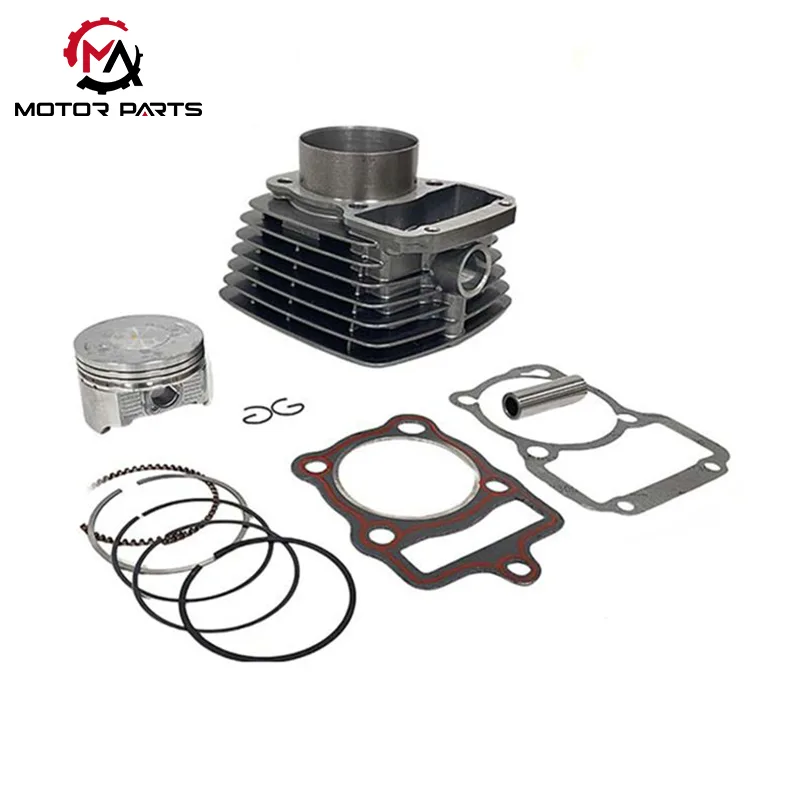
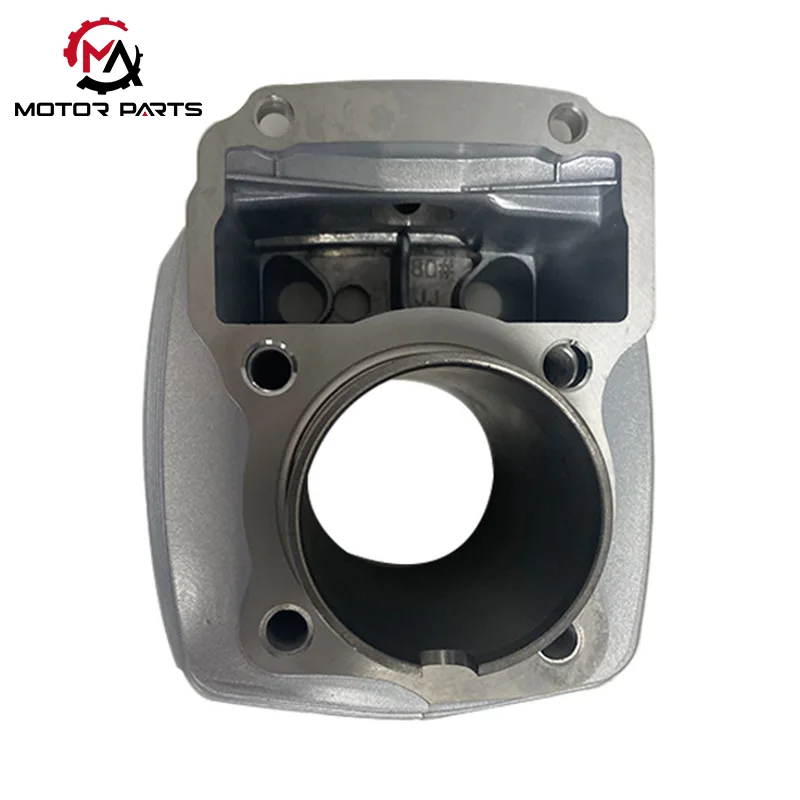
The basic fixing components, including the engine casing, cylinder assembly, and crankcase, play a very important role in the engine. Their main function is to support and cooperate with other key components of the engine, while withstanding various impacts and torques generated during engine operation. These basic fasteners form the framework of the engine and have a decisive impact on the overall hardness of the engine.
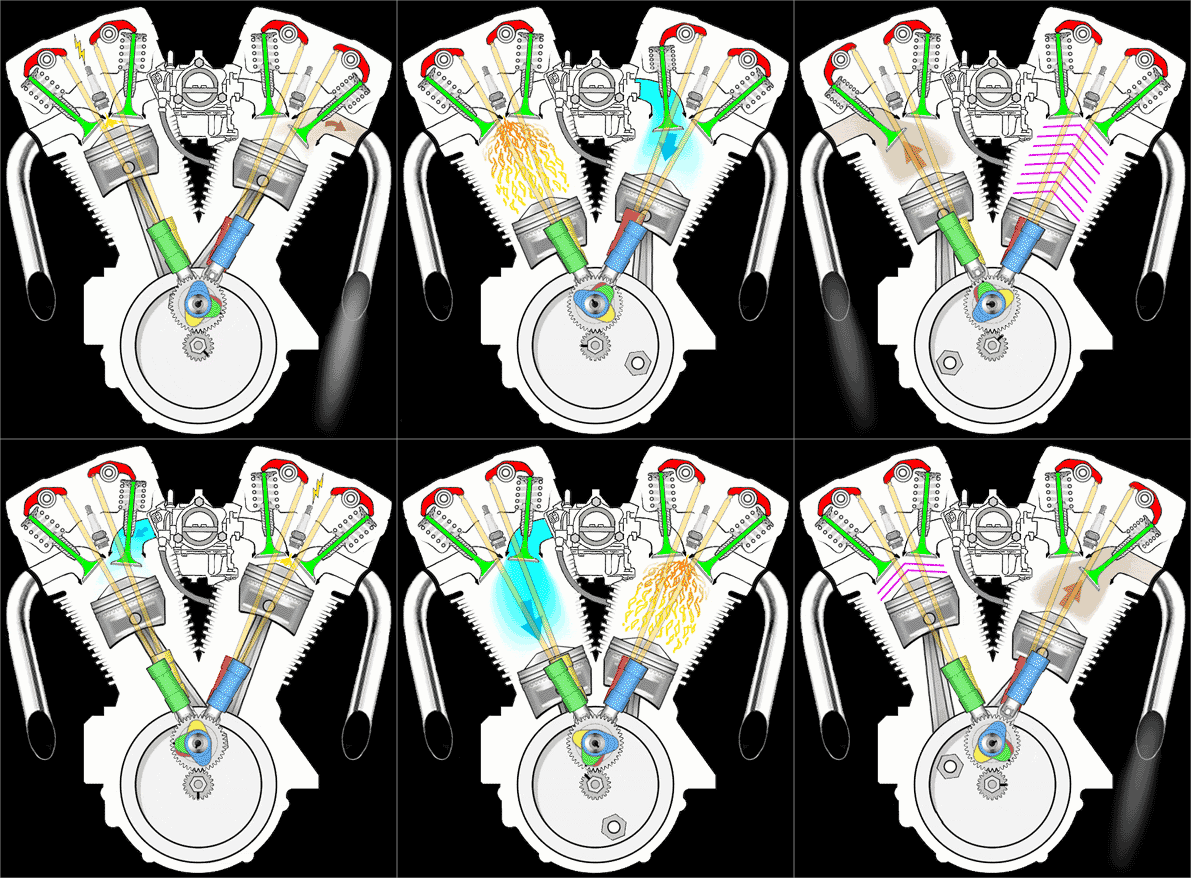
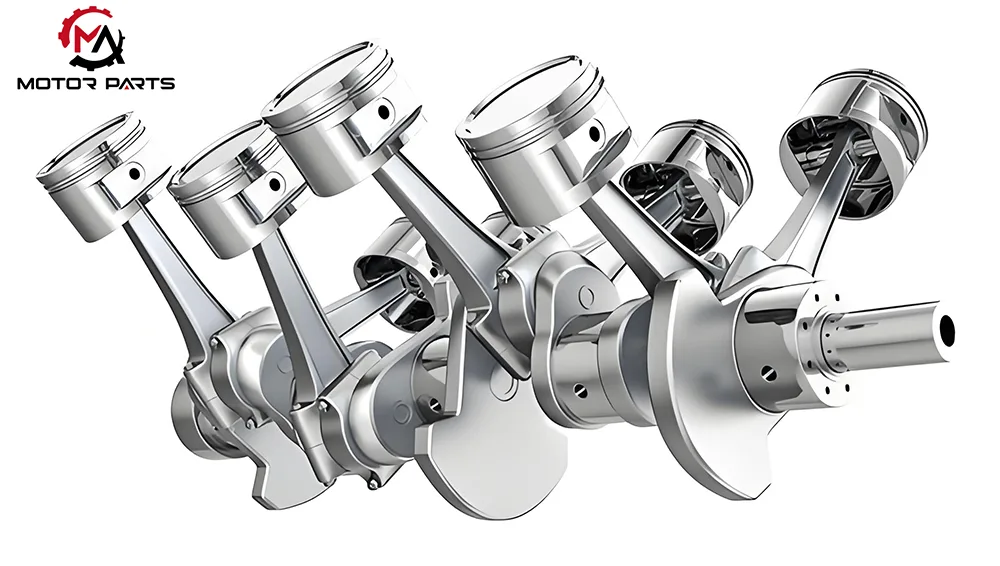
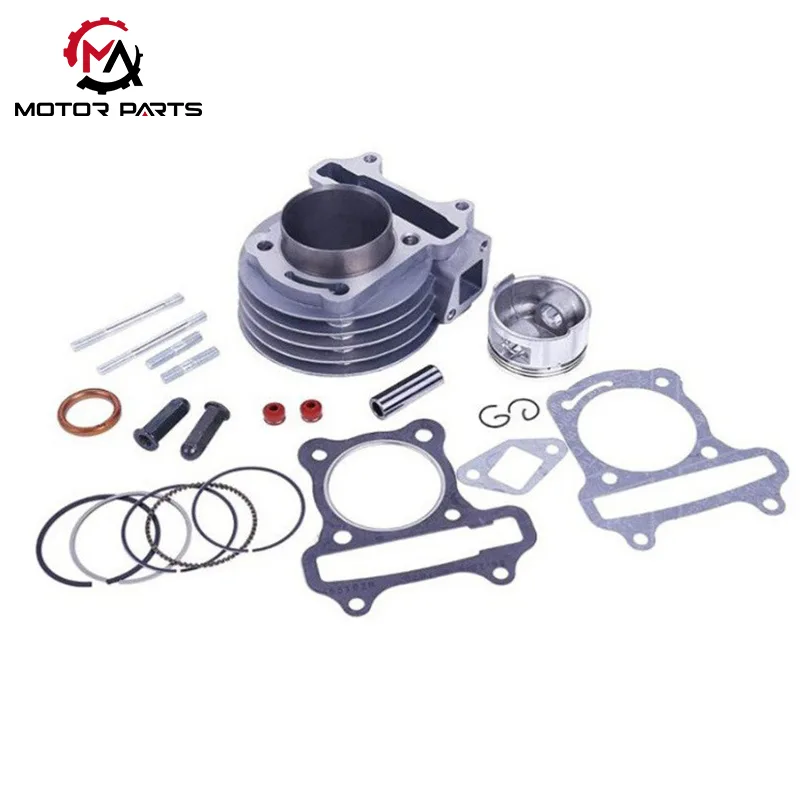
Piston group is an important component of engine operation, which together with the cylinder head and cylinder block forms an incomplete closed combustion environment, responsible for transmitting the engine's power to the crankshaft connecting rod group. The crankshaft connecting rod group is responsible for converting the linear reciprocating motion of the piston into the rotational motion of the crankshaft, and the output power drives the work of other accessories. It is mainly composed of key moving parts such as connecting rods and crankshafts, and is the core component of engine power transmission.
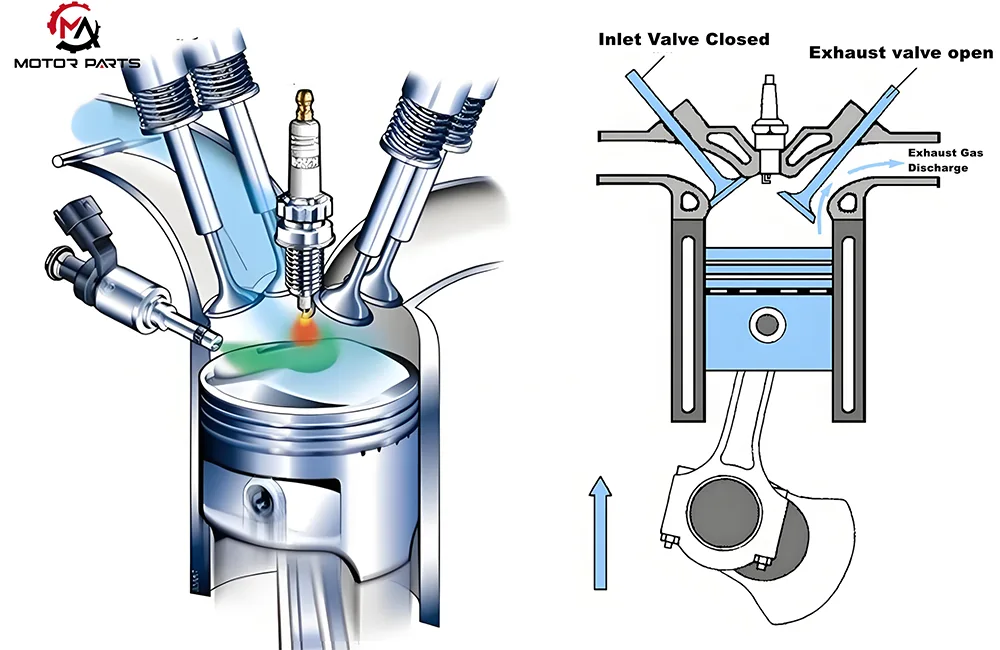
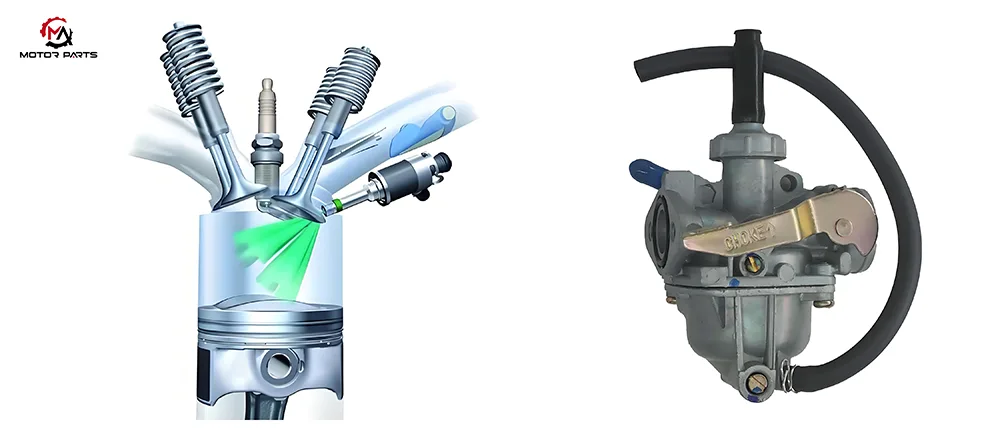
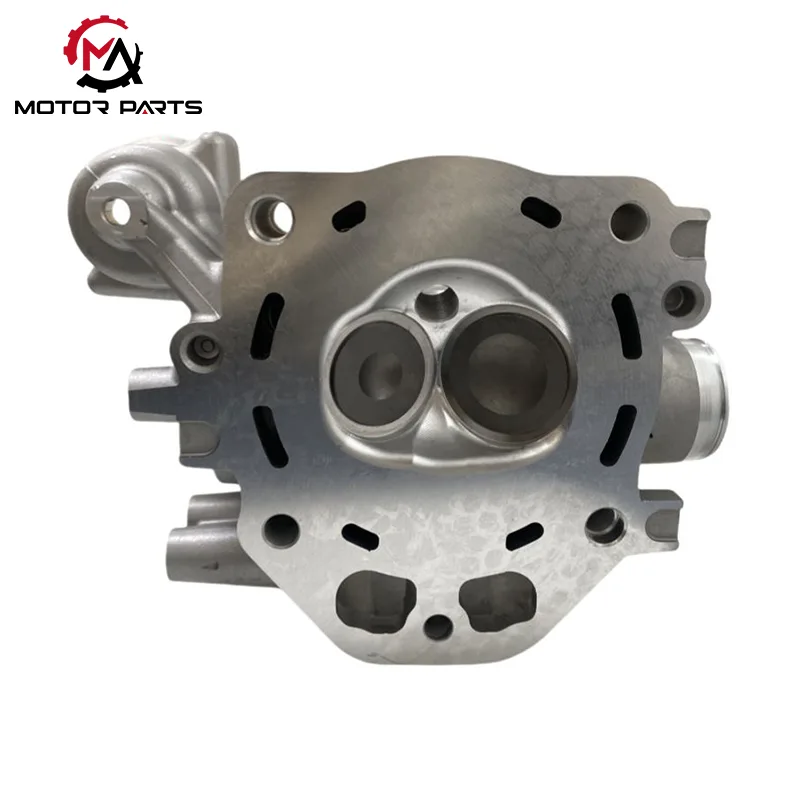
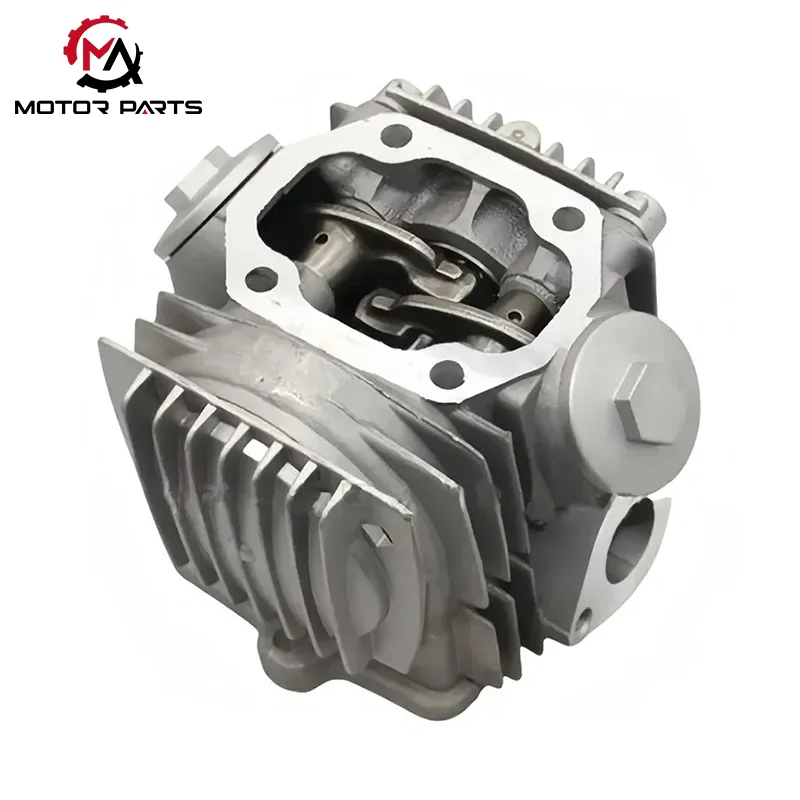
The valve mechanism is another key component in the engine, which mainly plays a role in accurately controlling the entry of combustible mixture and the discharge of exhaust gas, ensuring its stable operation while meeting the working requirements of the engine. For two-stroke engines, a port type valve train is usually used; Four stroke engines, on the other hand, are more commonly equipped with valve type valve mechanisms.
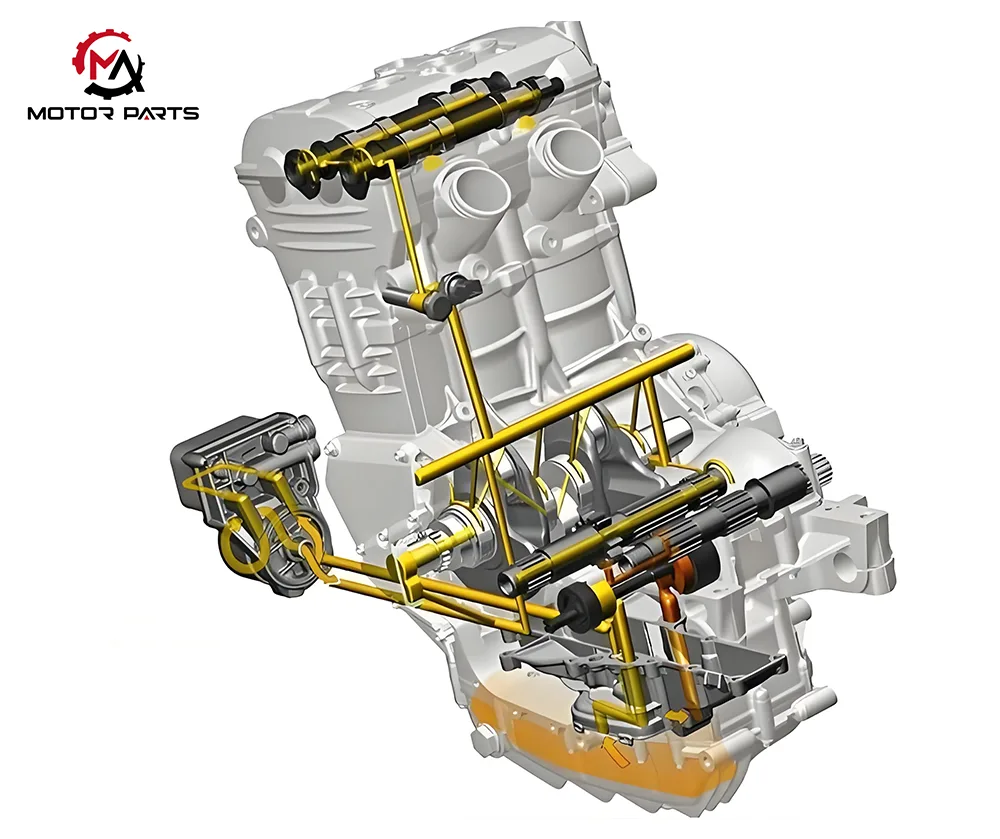
The lubrication system plays the role of a "peace ambassador" in the engine, responsible for lubricating the contact surfaces of the moving parts inside the engine, effectively reducing friction and wear of motorcycle parts, and taking away the heat generated by friction, effectively extending the working time of the engine, ensuring that all components can work stably, and extending the service life of the engine in a smooth working state. The lubrication method operates differently in different types of engines. For example, two-stroke engines typically use hybrid or split lubrication; The four stroke engine adopts a combination of splash and pressure lubrication. The lubrication system of an engine usually consists of an oil pan, an oil pump, an oil filter, and a network of oil passages and pipes.
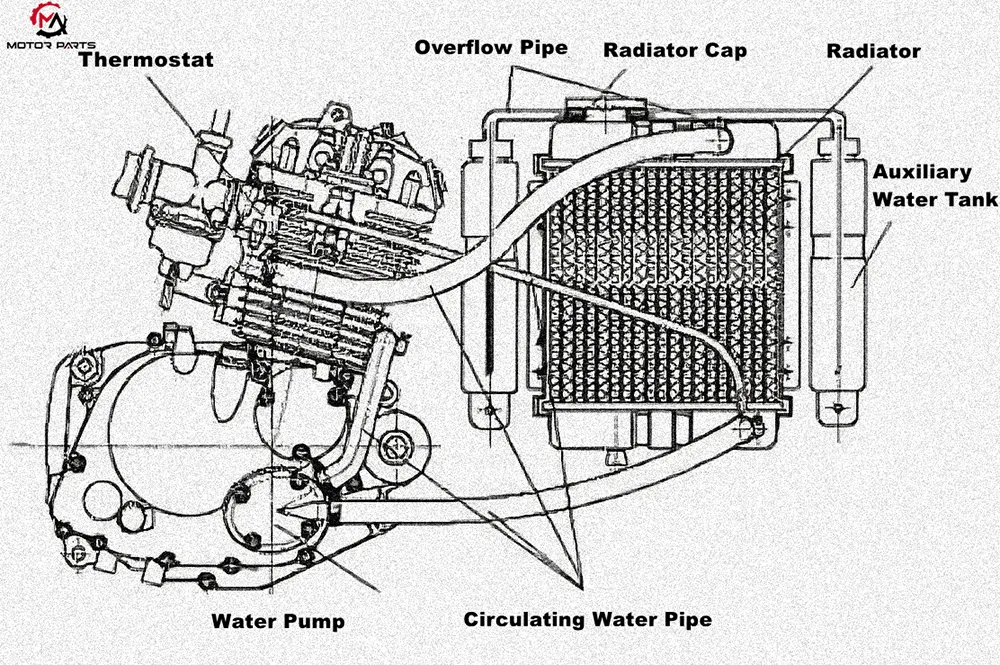
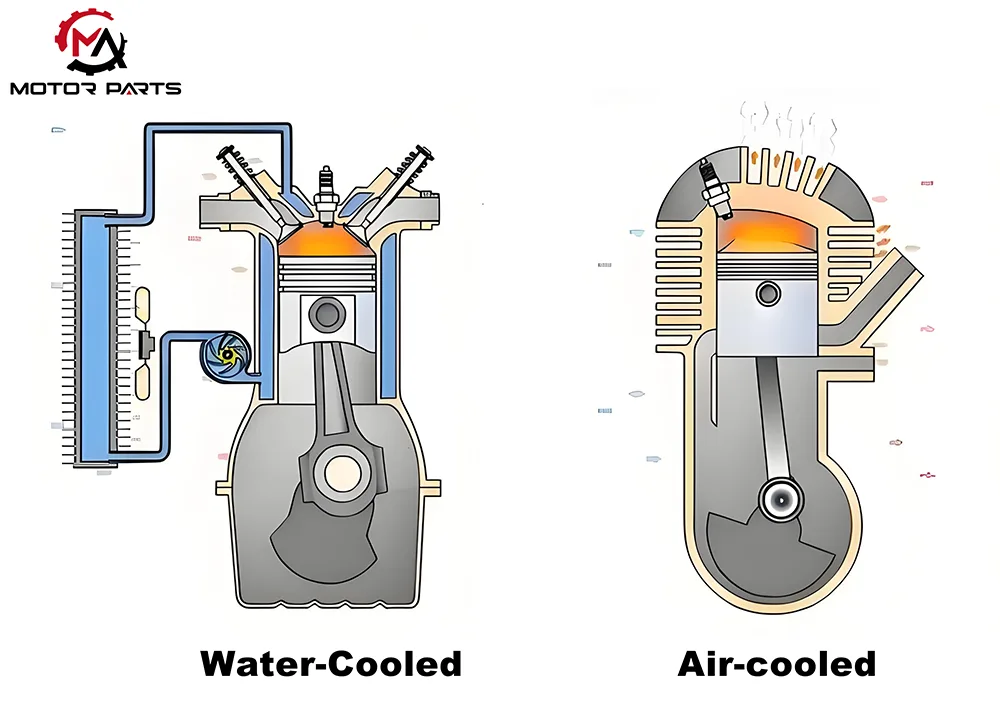
The cooling system of the engine is responsible for ensuring that the engine does not overheat during normal operation. Natural air cooling is a common way of cooling motorcycle engines. The so-called natural wind cooling refers to the process where when a motorcycle is in motion, the incoming air passes through the heat dissipation fins on the cylinder, taking away the heat generated by the engine. In addition, higher performance motorcycle engines will use more modern and efficient methods such as forced air cooling, water cooling, or oil cooling to reduce the body temperature, ensuring stable operation of the system even when the engine is operating at high loads.
According to the stroke type, number and arrangement of cylinders, cooling method, and fuel supply method, motorcycle engine parts have also shown different performances. The table below will classify motorcycle engine parts based on four types of differences, mainly in terms of structural composition, working principle, and performance.
|
Comparison aspect |
2-stroke engine |
4-stroke engine |
|
Work cycle system |
Complete one cycle in 2 strokes (compression+work), with the crankshaft rotating 1 turn. |
Complete one cycle in 4 strokes (intake → compression → work → exhaust), with the crankshaft rotating 2 turns |
|
Air distribution system |
Without valves and complex valve components, intake and exhaust are achieved through the intake and exhaust ports (holes on the cylinder body), and the opening and closing are controlled by piston motion. |
There is a complete valve system (valves, camshafts,timing chains/belts, etc.), and the valves are opened and closed regularly according to the stroke |
|
Lubrication system |
There is no independent oil lubrication system, relying on the mixing of fuel and oil, or the supply of oil to the crankcase by a dedicated oil pump. |
There is an independent lubrication system (oil pump, oil passage,filter, etc.) that lubricates and participates in the combustion process. The oil circulates and lubricates before flowing back to the bottom of the oil pan and does not participate in combustion |
|
Fuel supply system |
Usually supplies fuel to the carburetor, and the mixture of oil and gas directly enters the crankcase |
Carburetor or electronic fuel injection, where oil and gas are mixed in the intake manifold or cylinder to precisely control the fuel quantity |
|
Exhaust system |
Expansion chamber exhaust pipe is required to assist gas discharge by utilizing the pressure generated inside and outside |
Conventional exhaust pipe+muffler, paying more attention to reducing noise and exhaust emissions |
|
Performance characteristics |
Simple structure, light weight, higher power under the same displacement, stronger power, but the disadvantage is high fuel consumption and large emissions waste (incomplete combustion of engine oil is discharged) |
High durability, low fuel consumption, cleaner emissions (thorough combustion), smooth operation, but the disadvantage is the complex structure |
|
Typical applications |
Small motorcycles (such as off-road motorcycles and city scooters) are gradually falling behind the pace of the times |
Most motorcycles, such as streetcars, cruisers, and race cars, are more popular among young people |
The number and arrangement of cylinders affect the smoothness of the engine's power output, the complexity of its structure, and the overall layout of the system. The main differences are reflected in the intake and exhaust, balance system, and other aspects:
|
Number of cylinders/arrangement |
Differences in system composition |
Typical features |
|
Single cylinder engine |
Valve system: single set of valves, camshaft (or no camshaft, such as two-stroke) Intake and exhaust system: single intake manifold+single exhaust manifold Balance system: No balance axis or single balance axis, resulting in significant vibration amplitude |
The simplest structure, low maintenance cost, suitable for off-road and street vehicles; But when driving at high speeds, the shock absorption system performs poorly |
|
Double cylinder engine
|
Valve system: Two sets of valves/camshafts (parallel dual cylinder) or shared components (V-cylinder) Intake and exhaust system: dual intake manifold+dual exhaust manifold or a combination of both Balance system: Relieve reciprocating vibration of dual cylinders through a balance shaft Ignition system: dual spark plugs+independent ignition coils |
The power fluency is better than that of a single cylinder, and the structure is moderately complex; By arrangement, there are parallel twincylinders (such as Honda CB500 series), V-cylinders (such as Harley Davidson), and horizontally opposed twin cylinders (such as BMW R series) |
|
Four cylinder engine |
Valve system: four sets of valves, multiple camshafts Intake and exhaust system: four intake manifolds+four in one exhaust (or dual exhaust) Balance system: Natural balance is good, but precise adjustment of crankshaft position is required Fuel supply system: The electronic fuel injection system is more complex (mainly reflected in the four cylinder blocks having independent fuel injectors) |
Stable power output and strong power during high-speed driving, suitable for racing (such as Yamaha R1) and cruising cars; The most complex structure, and the disadvantage of stable body is the large weight |
The core of distinguishing differences in cooling systems directly affects the engine's heat dissipation capacity and applicable scenarios:
|
Cooling method |
Differences in system composition |
Typical features |
|
Air - cooled engine |
No water tank, water pump or other components, relying on heat dissipation fins outside the cylinder block/head (to increase the heat dissipation area) Some models are equipped with deflectors to guide gas flow No thermostat, heat dissipation relies entirely on natural/forced wind power |
Simple structure, light weight, and easy maintenance; But the heat dissipation efficiency is low, and it is prone to overheating and scalding when driving at high speeds, making it suitable for small displacement, low load vehicle models (such as retro streetcars and small scooters) |
|
Water-cooled engine
|
Composed of main components such as water tank, water pump, thermostat, water-cooled radiator, coolant pipe, etc Some car models are equipped with oil coolers, which take the heat dissipation function to the next level The thermostat controls the circulation of coolant, allowing for more precise temperature control in the normal operating environment of the engine |
Improving heat dissipation capability, very suitable for large displacement and high-power locomotives (such as race cars and cruise cars), even if the engine has been working for a long time, it can effectively dissipate heat; But the disadvantage is that the structure is complex and the weight is relatively large |
The differences in fuel supply systems determine fuel utilization efficiency, emission control, and power response speed:
|
Supply mode |
Differences in system composition |
Typical features |
|
Carburetor system |
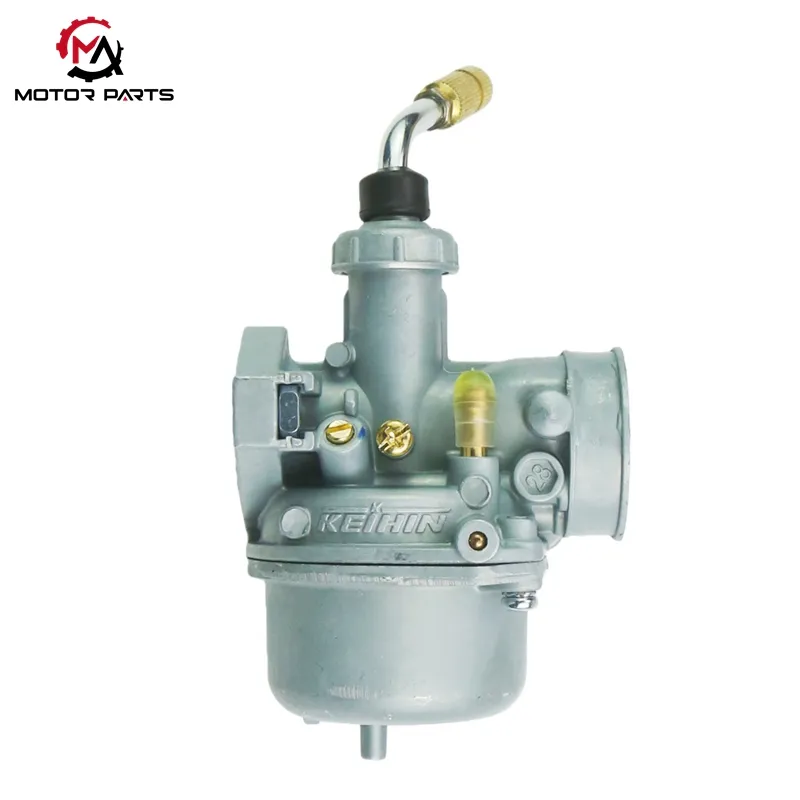
Core components: carburetor (mechanical structure, oil suction and atomization based on pressure), fuel filter No electronic control unit, relying on mechanical adjustment (such as idle screw, oil needle) |
Simple structure, low cost, and easy maintenance; The disadvantage is that the fuel atomization is not precise enough, resulting in incomplete fuel combustion and being greatly affected by temperature/pressure |
|
Electronic fuel injection system (EFI) |
Core components: ECU (Electronic Control Unit), fuel injectors, throttle valve,sensors, fuel pump ECU can accurately calculate fuel injection quantity and delivery time based on sensor data |
Thorough fuel atomization, fast component response, adaptability to complex road conditions (such as low temperature and high pressure environments), and clean emissions (meeting international emission standards); The disadvantage is that the structure is complex and requires specialized equipment for maintenance |
● Two stroke, single cylinder, air-cooled, carburetor system: focusing on "simplicity and low cost", suitable for low load scenarios in daily travel;
● Four stroke, multi cylinder, water-cooled, electronic fuel injection system: focusing on "high efficiency, smoothness, and environmental protection", meeting the needs of high power and long endurance, is the current mainstream development direction.
● Motorcycle enthusiasts need to choose a suitable ride based on usage scenarios, maintenance costs, and performance requirements
Max Trading specializes in providing motorcycle engine parts for various brands and models, which can accurately match classic and latest models. We only work with high-quality suppliers and establish long-term cooperation. From raw material procurement to production, testing, and transportation, we supervise the entire process and have detailed standards and specifications in every link to ensure that the quality of the parts is qualified.
With rich experience and high-quality service, Max Trading has established good cooperation with numerous domestic and foreign clients. Customers have reported that after cooperation, procurement costs have been reduced, quality problems have been minimized, and business efficiency has significantly improved.
Max Trading will uphold the concepts of professionalism, integrity, and efficiency, continuously optimize the supply chain, expand products, and improve services. We will keep up with industry trends, introduce new technologies and equipment, improve production and testing levels, and strive to provide customers with better and more comprehensive solutions to achieve win-win results.

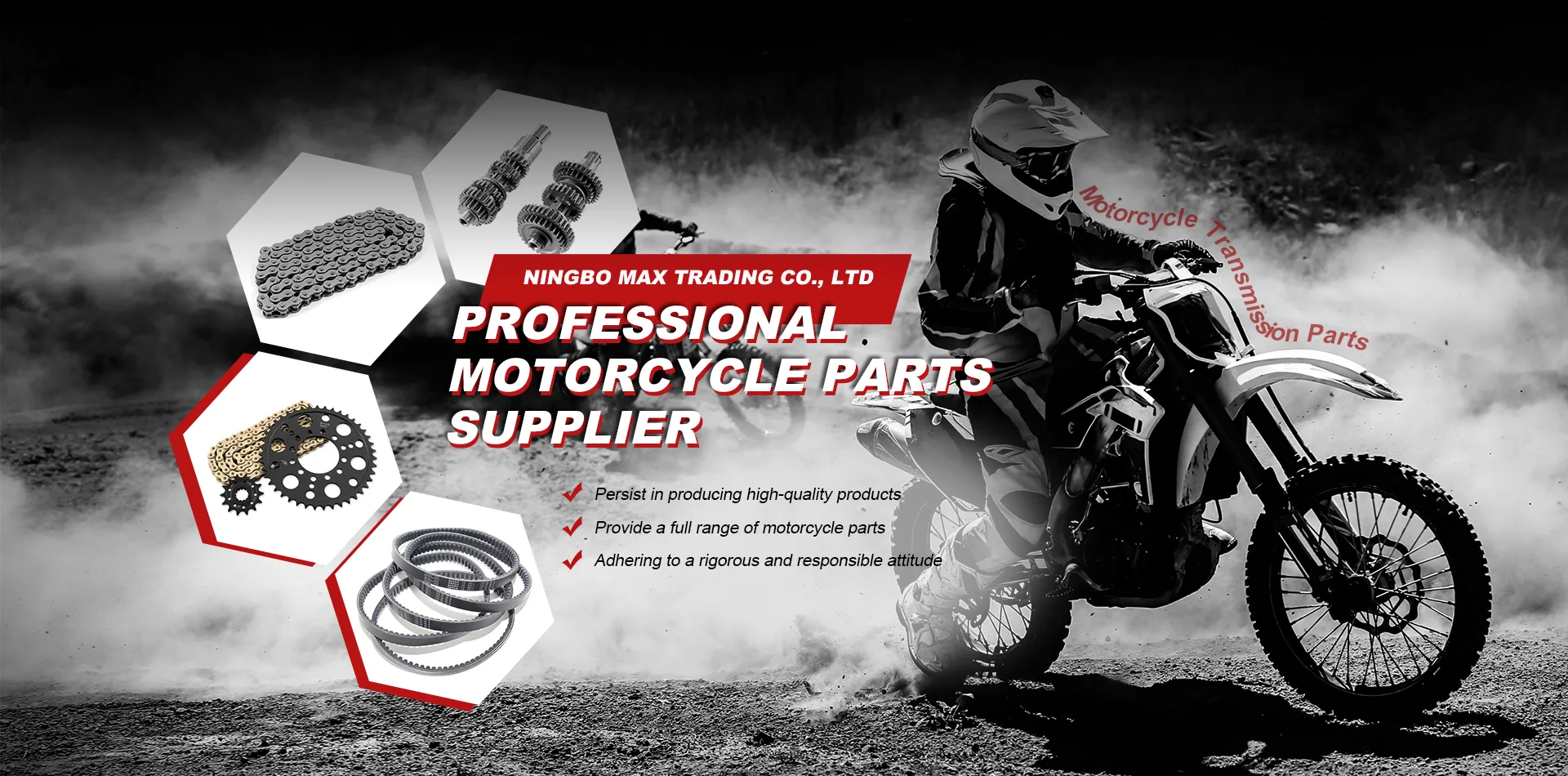
Motorcycle transmission parts mainly consists of the following parts: motorcycle clutch assembly, motorcycle transmission accessories, motorcycle chain and sprocket, motorcycle belt drive accessories, motorcycle shaft transmission accessories. Max Trading will analyze the motorcycle transmission system from these aspects.
The motorcycle clutch, as the core hub of the transmission system, has three core functions: firstly, it achieves smooth starting, and through gradual engagement, gently transmits engine power to the transmission and wheels, effectively avoiding starting jolts; Secondly, it assists in precise gear shifting by instantly cutting off power transmission when shifting gears, preventing severe gear collisions and significantly extending the service life of gears; Thirdly, it provides overload protection. When encountering sudden resistance, the clutch actively slips and releases force, fully safeguarding the safety of the engine and transmission components.
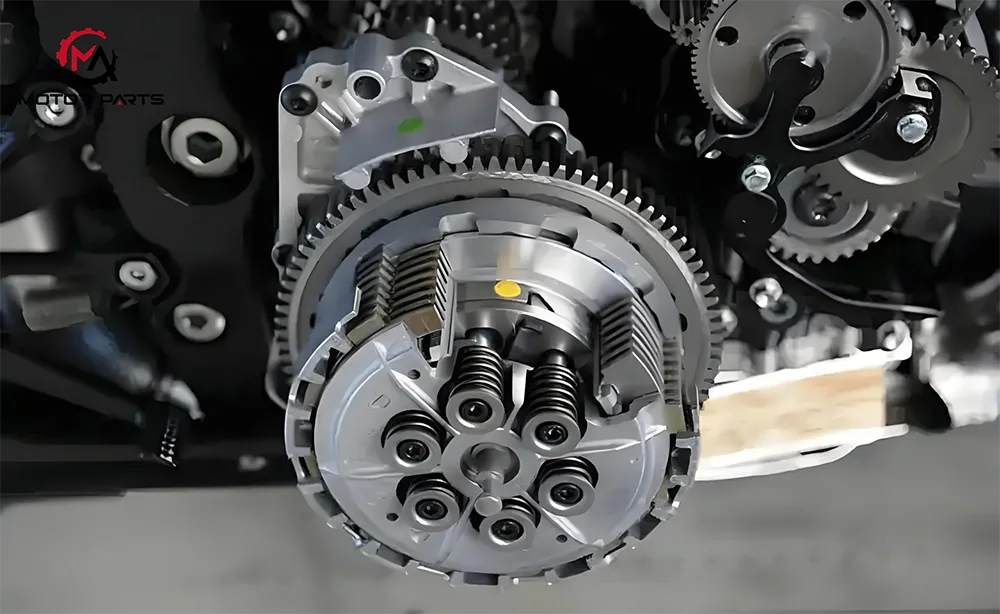
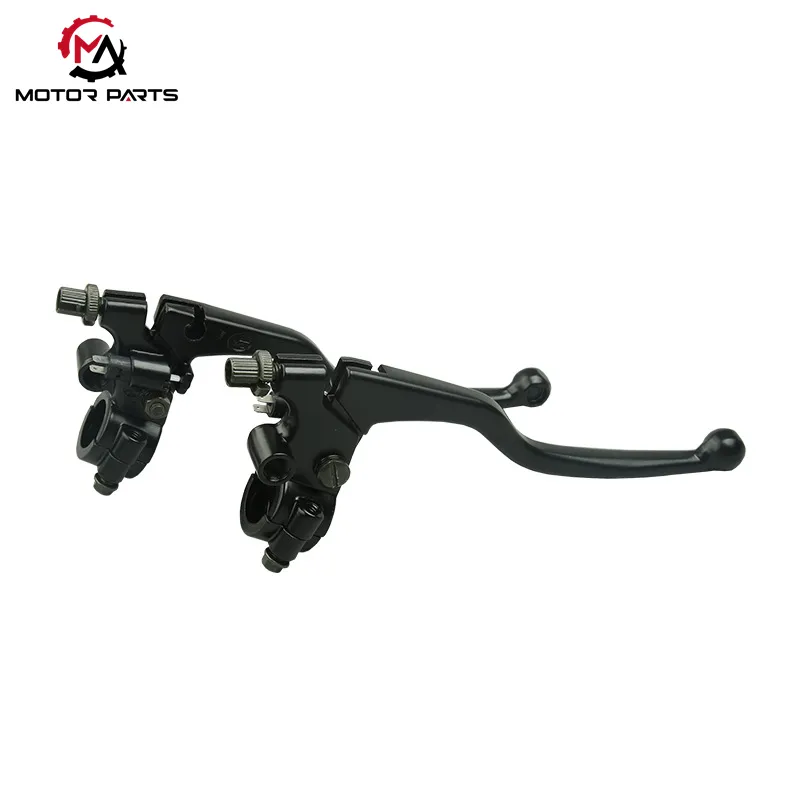
The operation of the clutch is based on the clutch mechanism of the active and passive components: the active end is rigidly connected to the engine crankshaft, and the passive end is connected to the transmission input shaft. When the rider squeezes the clutch handle, the main and driven components come out of contact, the frictional force disappears, and the power transmission is interrupted; After releasing the handle, the spring force drives the two to tightly fit, achieving efficient power transmission through friction.
From the perspective of structural types, mainstream clutches are divided into wet multi plate clutches and dry clutches. The former is immersed in engine oil and has excellent heat dissipation performance and high load bearing capacity, suitable for high load conditions such as high-speed cruising and heavy-duty transportation; The latter adopts a dry structure, and with its simple design and convenient maintenance advantages, it has become an ideal choice for light-duty vehicle models.
The core value of motorcycle transmissions lies in intelligent regulation of power output, which enables the vehicle to maintain optimal power matching under various road conditions and load conditions by flexibly changing the transmission ratio. When driving at high speeds, the transmission converts the high engine speed into efficient output from the wheels; In the face of climbing, heavy loads and other scenarios, it automatically reduces the speed and amplifies the torque to ensure sufficient power.
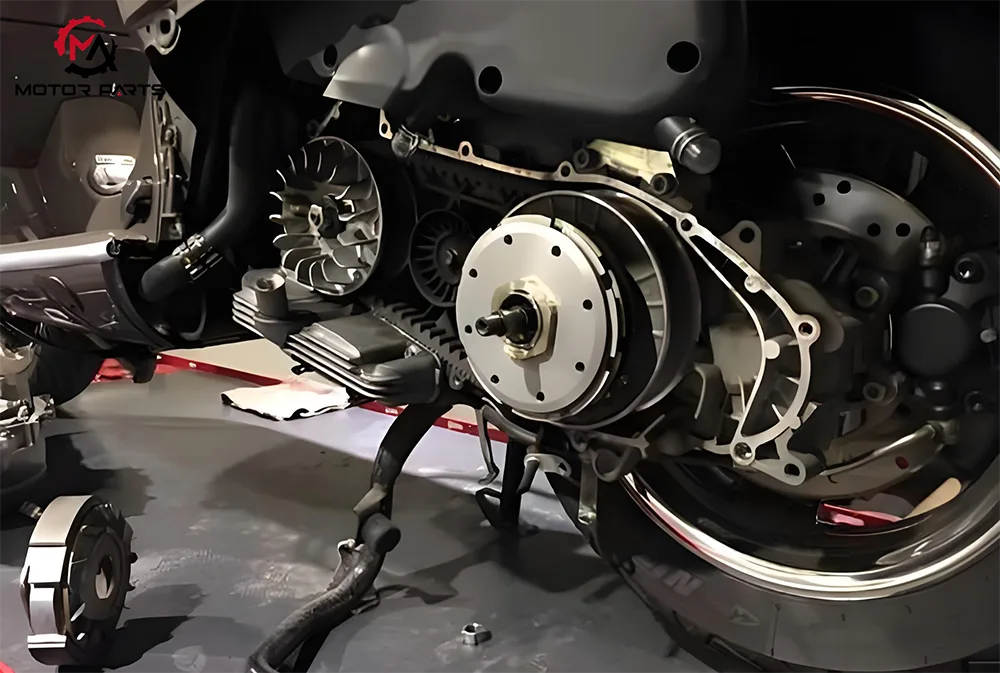
According to the control mode, transmissions can be divided into two types: manual and automatic. The manual transmission relies on the rider's precise control of the shift lever, achieving gear switching by changing the gear meshing relationship, giving the driver a deep sense of participation and control freedom; Automatic transmissions integrate hydraulic or electronic control systems to monitor engine speed, vehicle speed, and other parameters in real time. They can complete intelligent gear shifts without manual intervention, especially suitable for urban commuting scenarios, greatly reducing driving burden.
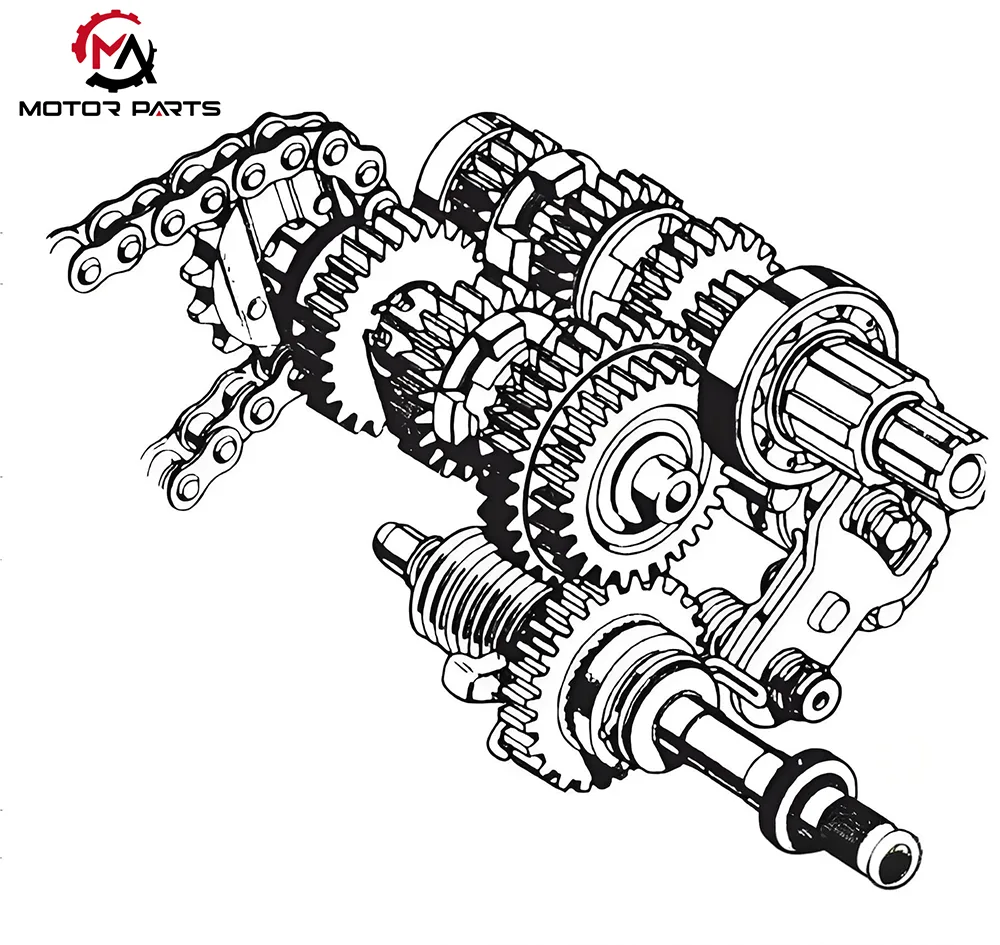
Its working mechanism is based on the dynamic adjustment of gear transmission ratio, which precisely controls the speed ratio between the input shaft and the output shaft through the combination meshing of gears with different numbers of teeth, thereby achieving the adjustment of power output.
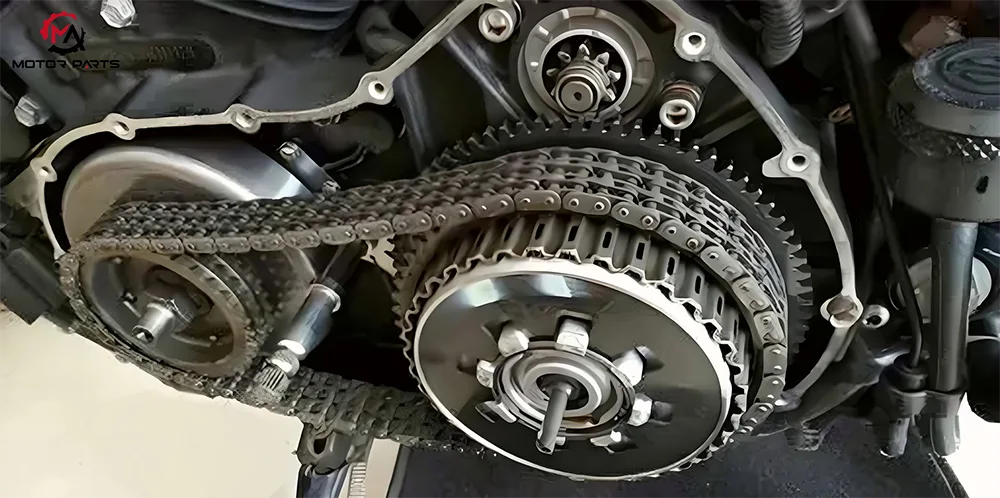
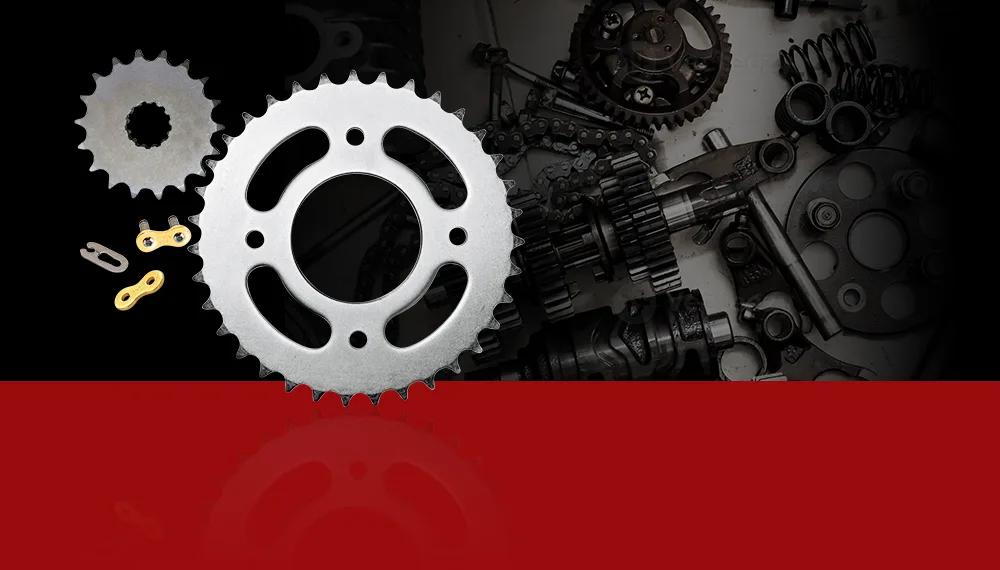
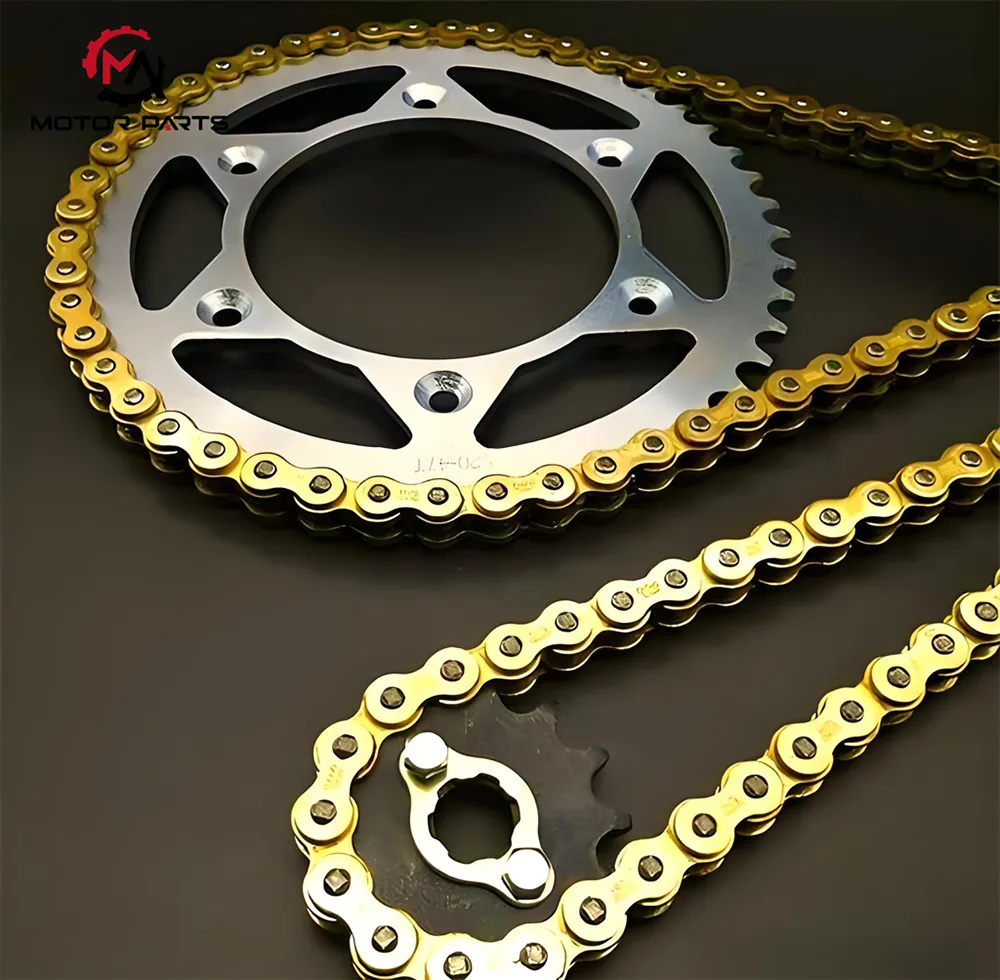
Chain and sprocket transmission systems have become the solution for motorcycle power transmission due to their simple structure and efficient transmission design. Its working principle is based on the gear chain meshing mechanism: the engine drives the driving sprocket to rotate through the clutch and gearbox, and the chain circulates under the traction of the sprocket teeth, thereby driving the driven sprocket of the rear wheel to rotate and ultimately driving the vehicle forward.
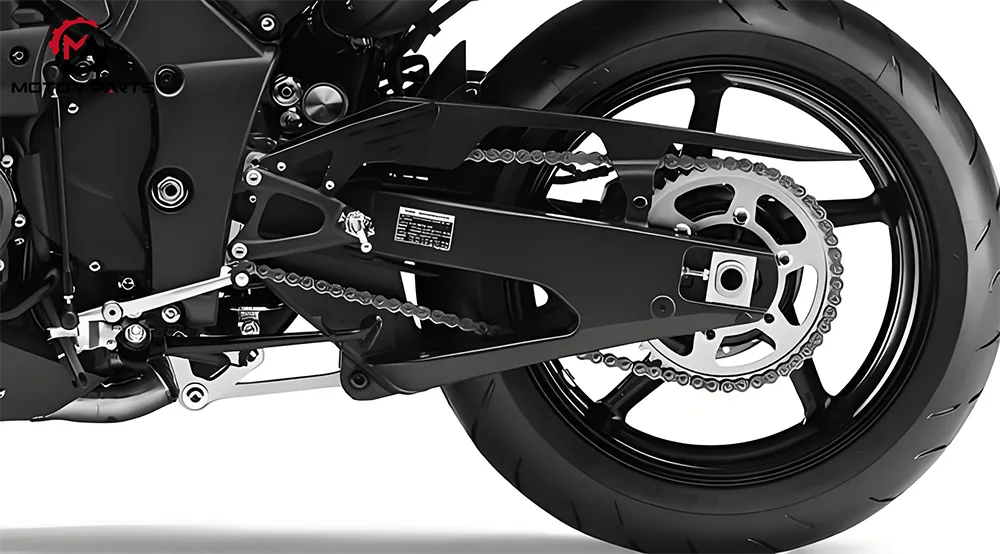
This transmission method is known for its simple structure, cost-effectiveness, and efficient transmission, but its mechanical contact characteristics make it require high regular maintenance. Timely lubrication and maintenance are necessary to effectively reduce wear and ensure the stability and durability of power transmission. Therefore, chain and sprocket transmission are widely used in various types of motorcycles.
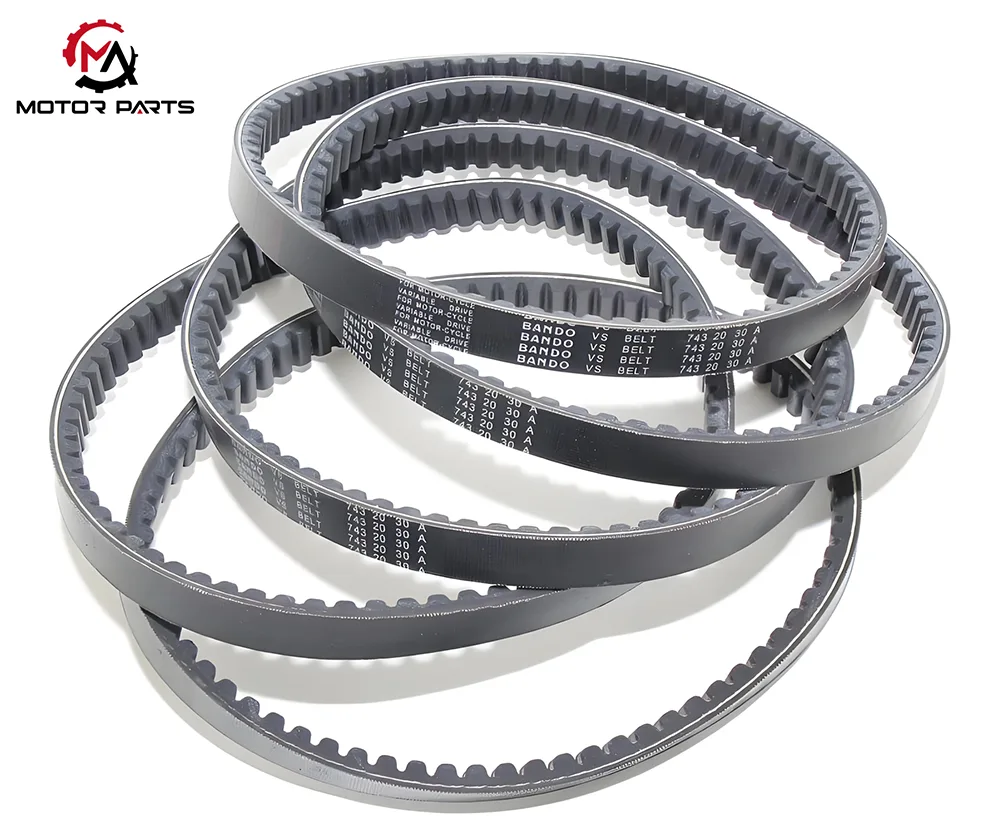
The belt drive setup is made up of a belt and some wheels called pulleys, and it sends power around using friction. The engine makes the driving wheel spin, and with friction's help, it makes the belt move. The belt then makes the other wheel, called the driven wheel, spin too, and that finally sends the power to the back wheel.
This way of sending power has some big perks—it's quiet and easy to take care of. Its design, which doesn't use rigid contact, gives it really good shock absorption. That cuts down on driving noise and makes the ride more comfy. Plus, it doesn't need oiling all the time, which makes taking care of it a lot simpler. But, belt drives do have some downsides, like they lose a bit more power and can wear out faster because of things like the weather, so you gotta check and replace them regularly. This kind of setup works really well for touring motorcycles that focus more on being comfy and don't require much maintenance.
The shaft transmission system consists of core components such as transmission shaft and gear set, and adopts gear meshing transmission to stably transmit engine power to the rear wheels. The power is transmitted to the driving gear through the clutch and transmission, and the transmission shaft is driven to rotate through gear meshing. Then, the power is transmitted to the rear wheels through the other end gear, achieving vehicle driving.
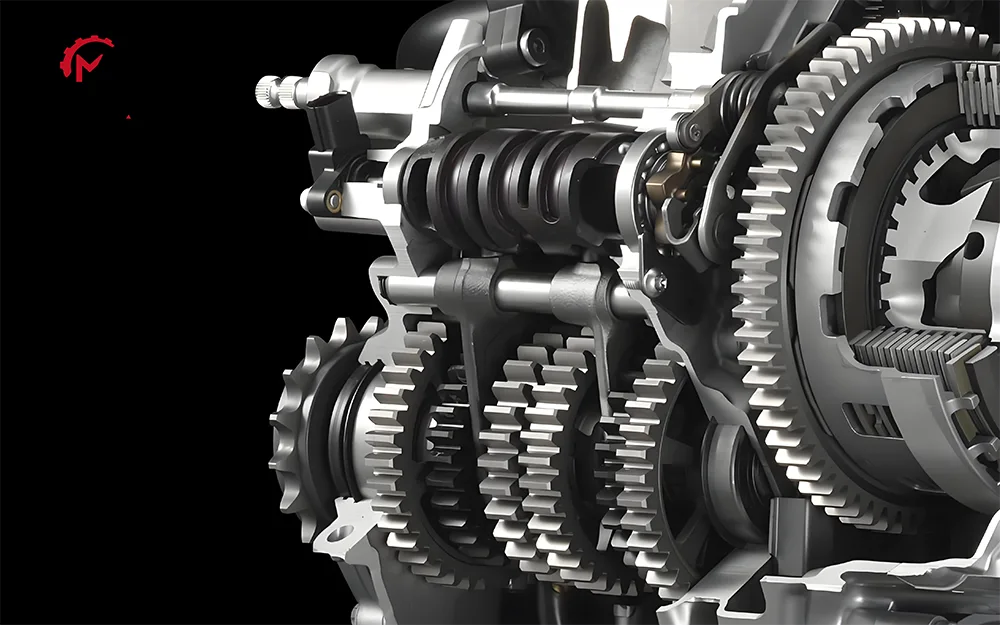
Shaft transmission is renowned for its high efficiency, stability, and long-term maintenance. Shaft transmission is renowned for its high efficiency, stability, and long-term maintenance. The solid link and gear setup really cut down on power waste, and the tough build makes sure it can handle a lot of torque; Plus, not needing to oil it all the time means less maintenance. But because it's built so complicatedly and costs a lot to make, it's mostly used in fancy models like big, heavy cruise cars and long-distance travel cars.
Max Trading has been deeply involved in the motorcycle parts industry for many years, accumulating valuable industry experience and committed to building a diversified product line. We always uphold a rigorous and responsible attitude, carefully screening and rigorously evaluating every product. We not only value the practicality and quality of the product itself, but also take into account other customer needs besides product price, such as logistics and transportation, after-sales service, etc.
We firmly believe that providing customer service is not simply a commercial transaction, but rather a process of long-term companionship and caring for customers. Therefore, we strive to provide every customer with a comprehensive "one-stop" service: from pre-sales product consultation and recommendation, to in sales order tracking and logistics coordination, to after-sales maintenance support and problem solving. Our team will follow up throughout the process to ensure that customers can feel our sincerity and responsibility throughout the entire purchase and use process.
The motorcycle riding parts are the core module that supports vehicle operation, ensures handling stability and riding comfort, and its performance directly affects the riding experience and safety. Max Trading produces metal materials for motorcycle riding accessories that meet the requirements of strength, corrosion resistance, lightweight, wear resistance, and safety. Max trading ensures that the quality and performance of raw materials meet the highest standards, meeting the needs of different motorcycle brands and models. The products produced can better provide effective protection for riders and key components of vehicles.
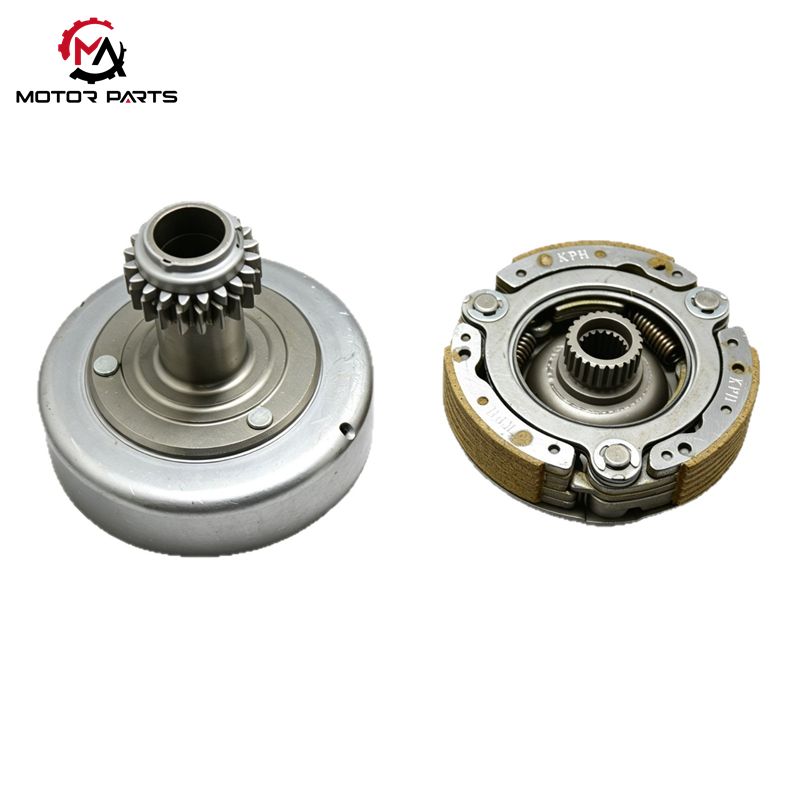
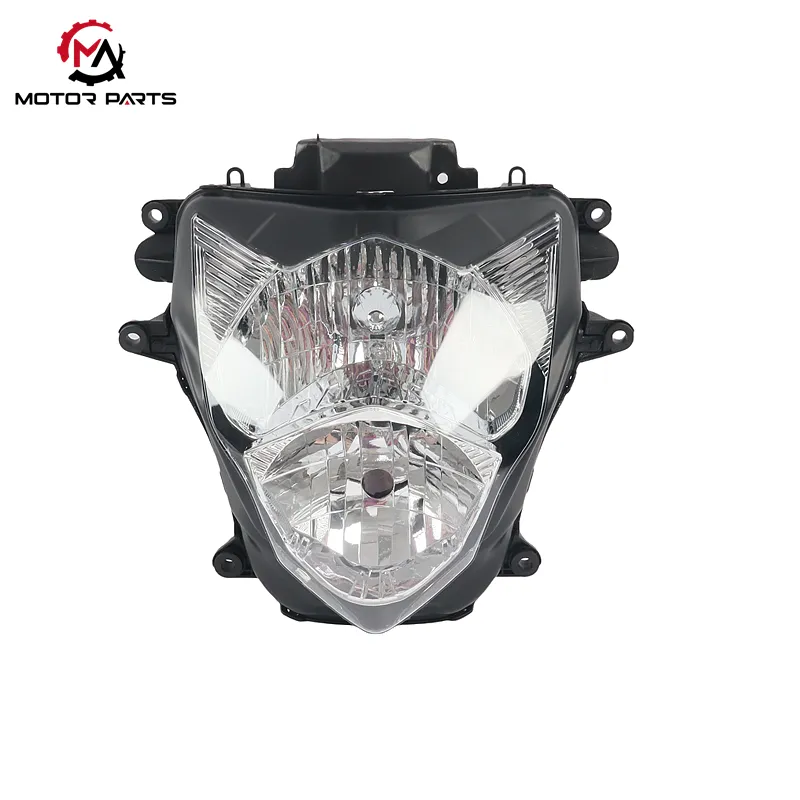
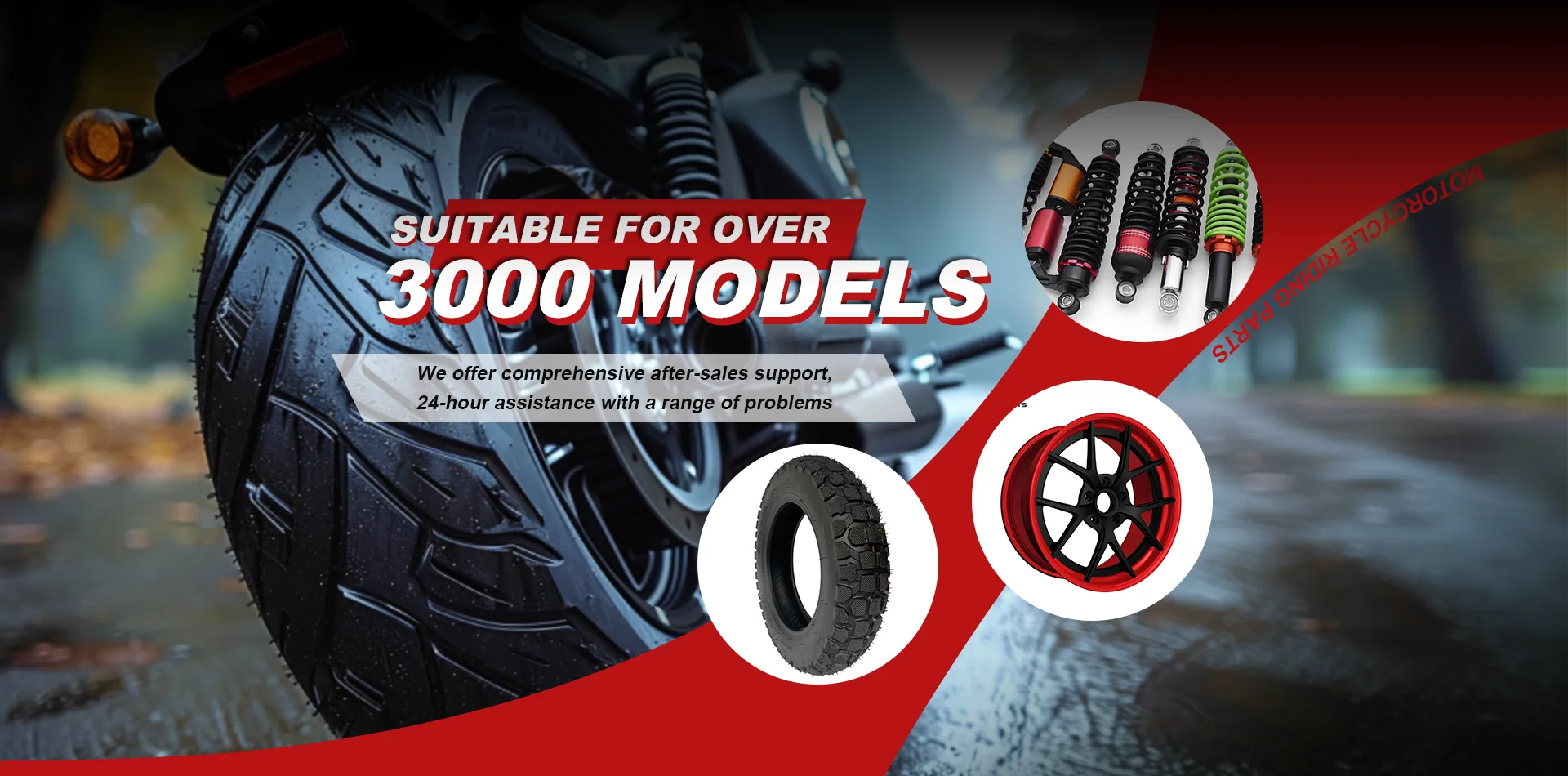
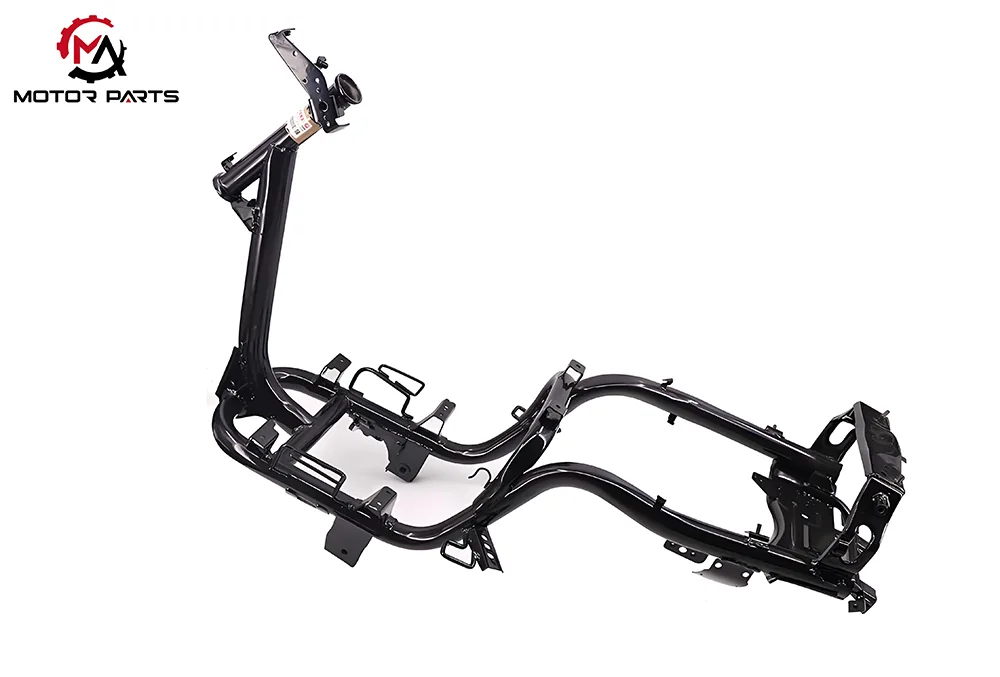
The parts is mainly consist of frame accessories, shock absorption accessories, wheels and hubs, tires and other accessories, which work closely together to buffer road impacts, transmit power and keep dynamic balance of the vehicle body.
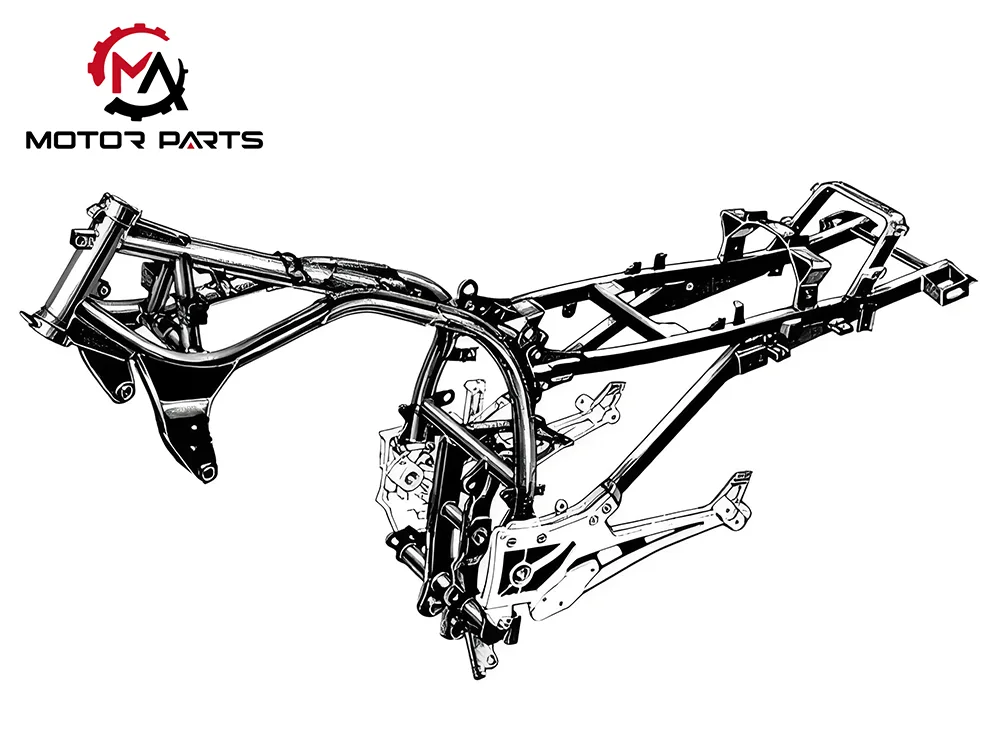
As the main framework of the motorcycle riding parts, the frame is like a human skeleton, firmly connecting key accessories like the engine, gearbox, shock absorbers, and wheels to form a solid whole. It not only needs to bear the weight of the vehicle, passengers, and cargo, but also needs to resist the complex impact and torque from the road surface during driving.
Common frame types involve cradle frame, diamond frame, and double wing beam frame. The cradle frame is named after its resemblance to a cradle, and is commonly used in cruise cars and Crown Prince cars due to its all-around wrapping of the engine, effectively dispersing operational vibrations; The diamond shaped frame, with its simple and lightweight structure and excellent rigidity, has become the mainstream choice for streetcars and sport motorcycles; The double wing beam frame is made of two thick steel beams extending in a double wing shape, which has extremely high strength and rigidity. It is generally used in high-performance sports cars and can transmit control commands to cope with high-speed driving and intense driving scenarios with ease.
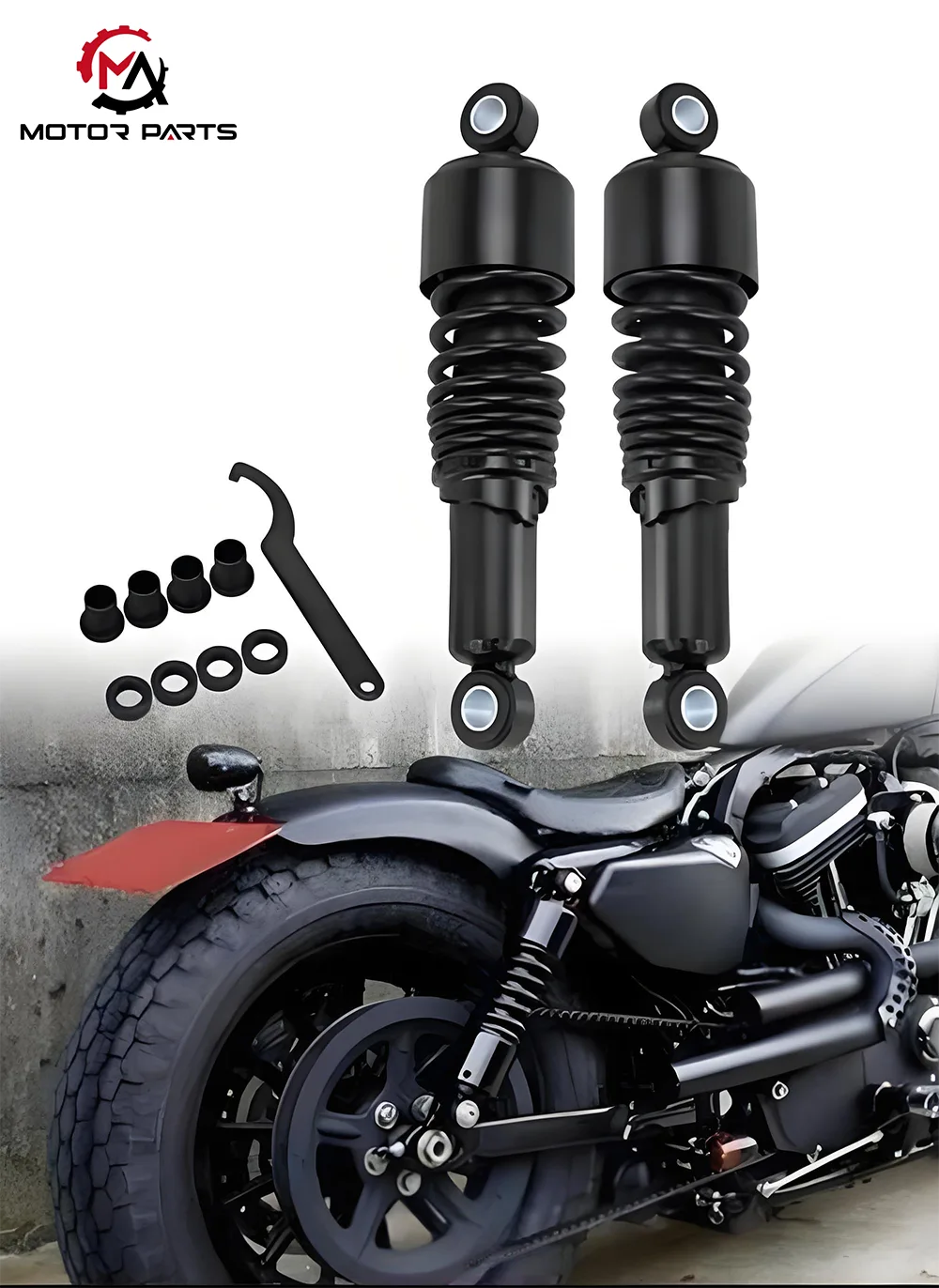
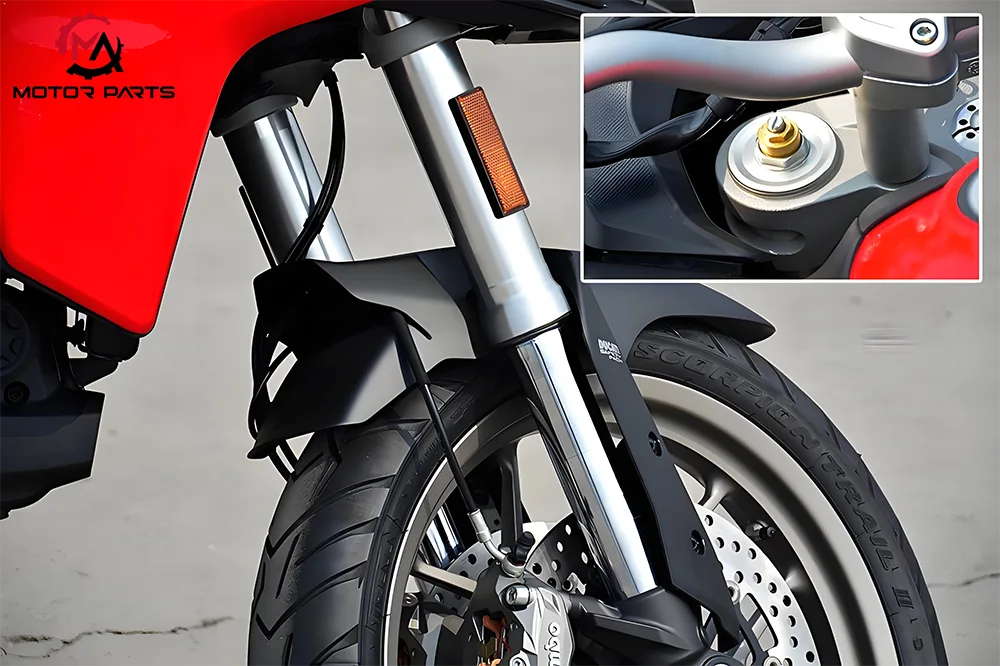
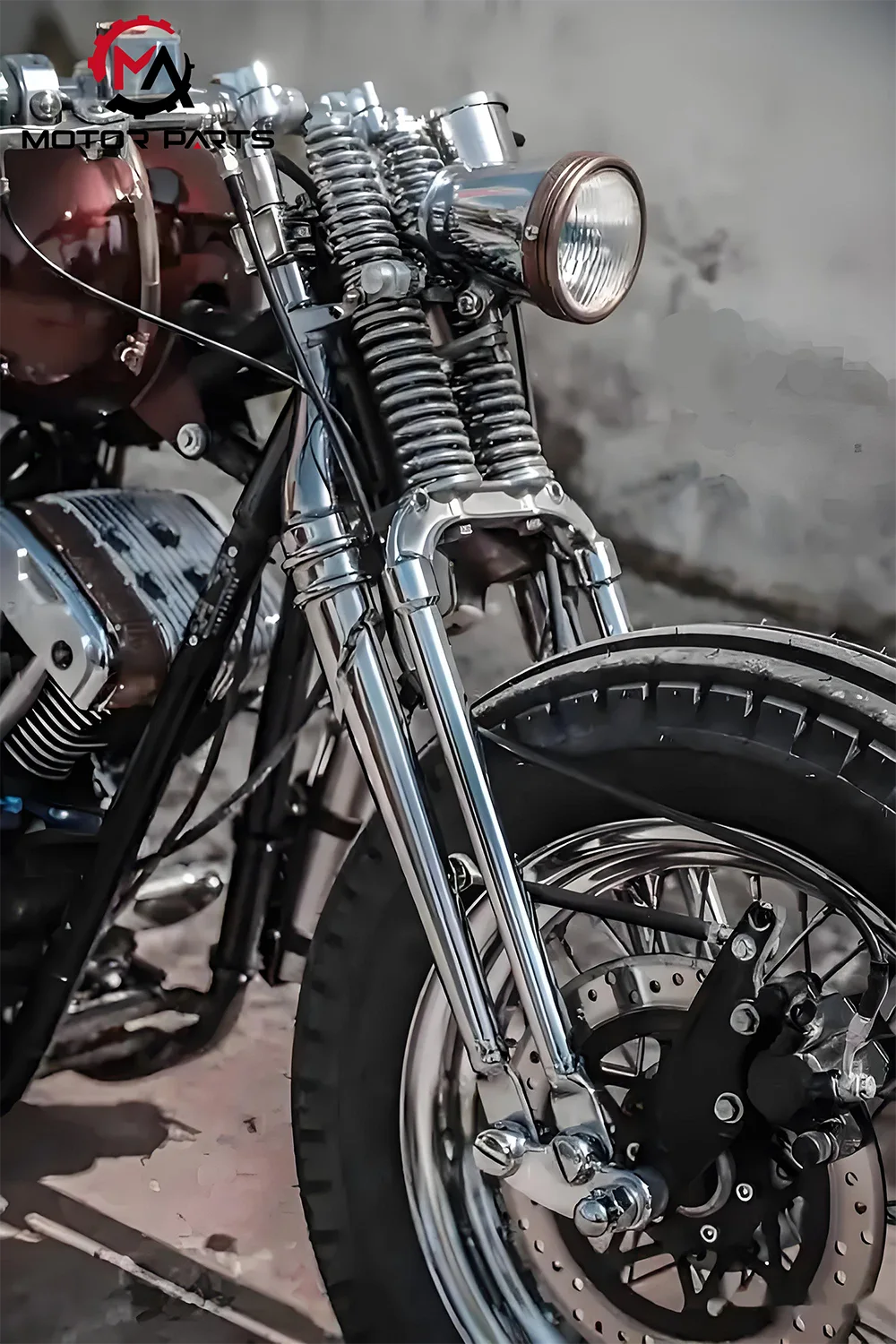
Motorcycle shock absorbers are the key to improving ride comfort, mainly composed of front and rear shock absorbers. The front shock absorber of the motorcycle is installed between the front end of the frame and the front wheel, and the rear shock absorber of the motorcycle is connected to the rear of the frame and the rear rocker arm. The two work together to significantly reduce vibration and impact during driving.
Common types of front shock absorbers include upright shock absorbers and inverted fork shock absorbers. The upright shock absorber has a simple structure and controllable cost, and is widely used in ordinary street cars and commuting motorcycles; Inverted fork shock absorbers invert the inner and outer tubes, effectively suppressing body deformation during high-speed cornering and rapid acceleration with higher strength and more sensitive response, becoming a standard feature of sports motorcycles.
The structure of the rear shock absorber is comparatively complex, and some models are equipped with several link mechanisms to strengthen the shock absorption effect by optimizing the lever rate. At the same time, it supports parameter adjustment such as preload and damping to adapt to different road conditions and load requirements.
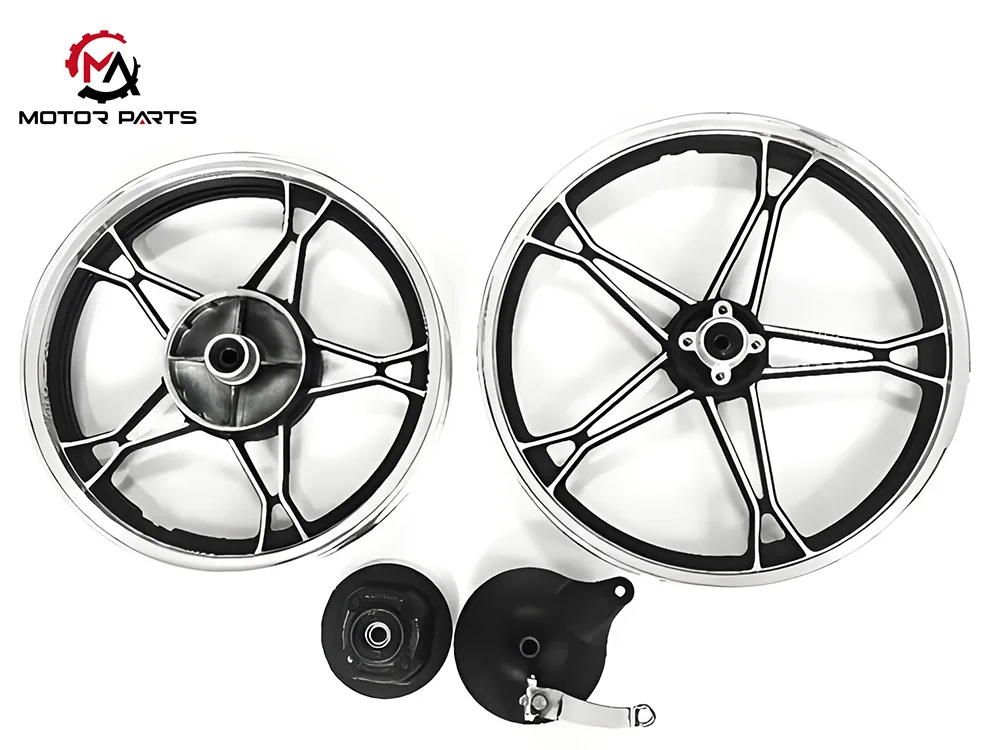
Motorcycle wheels and hubs serve as important links between the body and the road surface, transmitting driving and braking forces while supporting the overall weight of the vehicle.
The wheel is consisted of a hub, spokes, and wheel rim, with the motorcycle hub as the main component, connected to the axle through bearings, and accountable for both power transmission and load-bearing.
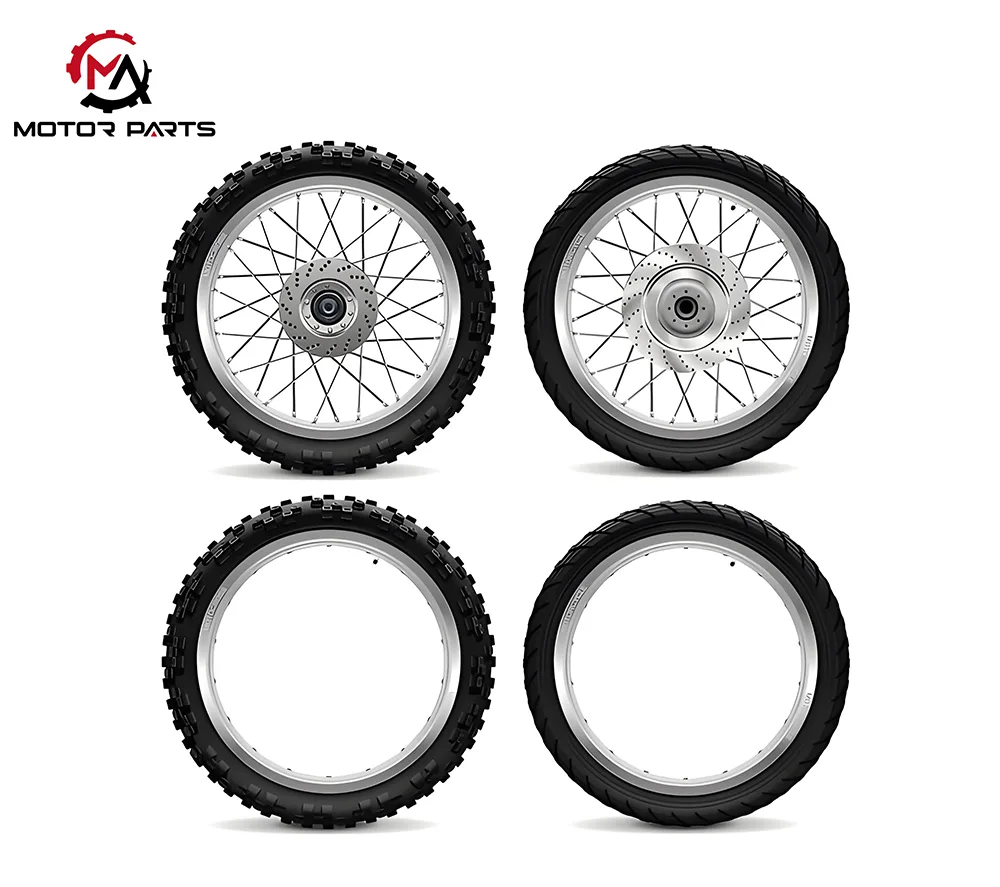
According to the spoke structure, wheels can be divided into spoke wheels and cast wheels. The spoke wheel connects the hub and wheel rim through numerous spokes, possessing excellent elasticity and cushioning performance, and can easily cope with complex road conditions. It is commonly seen in off-road vehicles and retro models; The casting wheels adopt an integrated molding process, with a sturdy structure, lightweight weight, and good rigidity, occupying the mainstream in street cars, sports cars and other models, providing strong support for vehicle handling and driving stability.
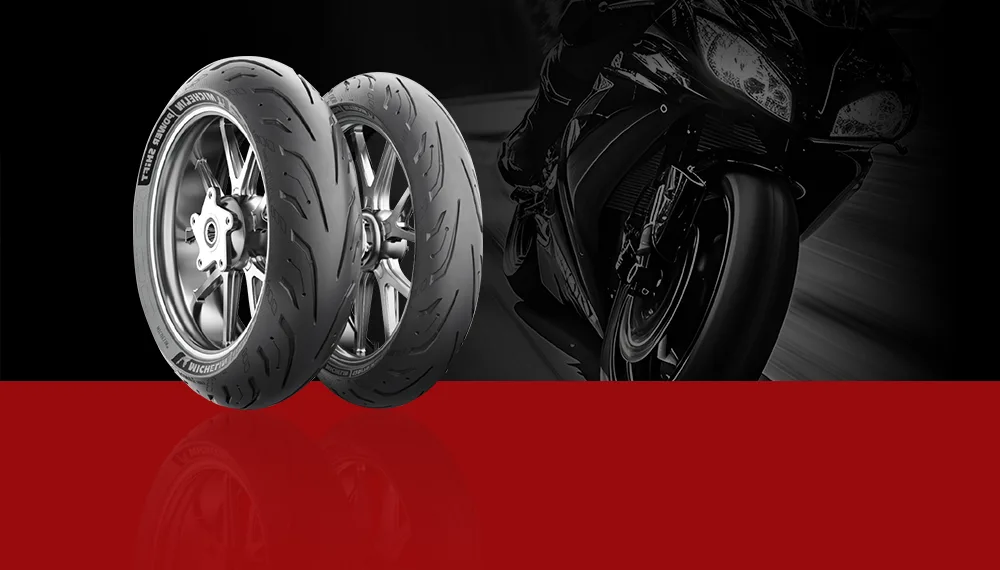
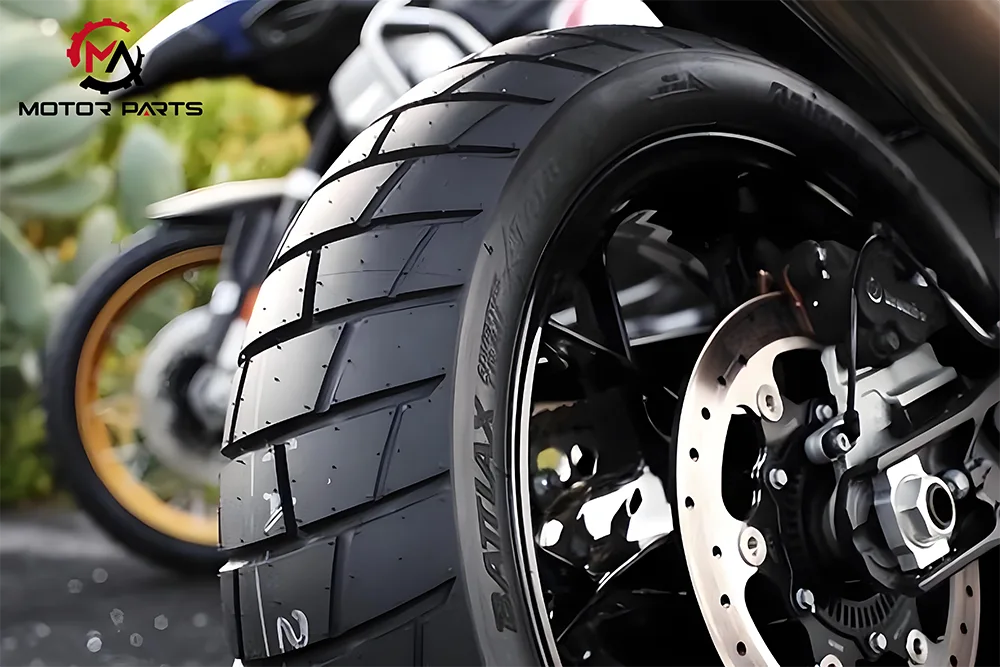
As the only contact component between the motorcycle and the road surface, the performance of motorcycle tires impact on grip, braking, comfort, and wear resistance. A tire is consist of a tread, sidewall, carcass, and beads, with the tread pattern design playing a decisive role in grip. Highway tires are designed with fine patterns to adapt to flat road surfaces, ensuring strong grip; Off road tires, with their thick and deep patterns, provide reliable traction on complex terrains such as mud and gravel.
In addition, tire size specifications need to be correctly matched with motorcycle performance, as inappropriate size can interfere with handling and power transmission. At the same time, tire pressure management is crucial, as appropriate air pressure can ensure optimal contact between the tires and the road surface, boosting driving safety and comfort; Abnormal air pressure can accelerate tire wear and even cause serious safety hazards like tire blowouts.
|
Tire Type |
Design Purpose |
Tread Pattern Characteristics |
Applicable Scenarios |
Typical Representatives |
|
Road Tires |
Designed for driving on dry and wet road surfaces |
Smooth tread with few and shallow patterns |
Daily commuting, long - distance travel, urban roads and highway driving |
Michelin Pilot Road series |
|
Off - Road Tires |
For dealing with complex unpaved road conditions |
Deep and wide tread patterns |
Mountainous areas, muddy, swampy, sandy and other off - road terrains |
BFGoodrich KM3 tires |
|
Dual - Purpose Tires (Multi - Purpose Tires) |
Balance between road and light off - road conditions |
Tread patterns deeper than road tires but shallower than off - road tires |
Occasionally leaving the road to explore light unpaved roads |
Pirelli Scorpion Rally STR tires |
|
Racing Tires |
For motorcycle racing, pursuing high performance |
Extreme grip and fast heat - up ability |
Professional racing competitions |
Dunlop GP Racer series tires |
|
Slick Tires |
Designed specifically for dry track environments |
Almost no tread on the tire surface |
Dry race tracks |
Mostly used in professional events, such as specific tracks in MotoGP and other competitions |
|
Wet Tires |
Used in motorcycle racing when it is rainy or the ground is wet (F1 has full wet tires and intermediate wet tires) |
Full wet tires have seven circular longitudinal grooves and diagonal arc - shaped grooves; intermediate wet tires have tread patterns designed for water drainage |
Rainy or slippery tracks in F1 and other racing competitions |
Wet tire products provided by various tire suppliers in F1 events |
Although the various accessories of the motorcycle riding parts have different functions, they are interdependent and work together to guarantee the stable operation and performance of the vehicle. Regular and meticulous inspection and maintenance of the riding parts in daily use are key to extending the lifespan of accessories and ensuring safe and comfortable riding.