Max Trading is a professional supplier in China that produces motorcycle intake and exhaust system accessories. We support customized services, especially for motorcycle muffler. The excellent quality and design have left a deep impression on many customers.
The intake and exhaust system as the "respiratory organ" of the motorcycle power unit, it undertakes the four core functions of "gas supply, purification, noise reduction, and efficiency enhancement". The intake and exhaust system, through reasonable designed airflow paths and precision components, not only provides sufficient and clean air for combustion, but also efficiently discharges combustion exhaust gas. At the same time, it directly affects the engine's power output (about ± 15% power fluctuation), fuel economy (fuel consumption difference can reach 10%), and emission compliance (meeting national VI standards). The intake and exhaust systems of modern high-performance motorcycles have evolved from simple airflow channels to complex systems that integrate fluid dynamics, acoustic engineering, and environmental protection technologies, such as the Kawasaki motorcycle ZX-10R, Ducati Panigale V4, and other models. The research and development cost of their intake and exhaust systems accounts for up to 22% of the total engine cost.
The intake system is the "source guarantee" of combustion efficiency.
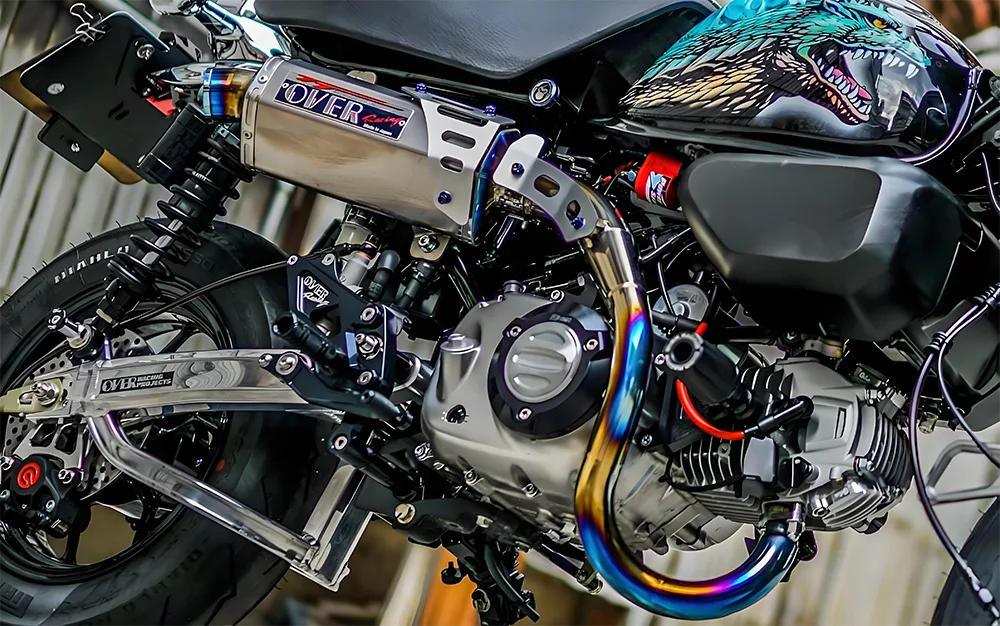
Its core function is to provide sufficient, clean, and temperature appropriate air for the motorcycle engine combustion chamber, laying the foundation for full combustion of fuel. The quality of its work directly determines the quality of the mixture, which in turn affects the engine's power output and fuel consumption performance.
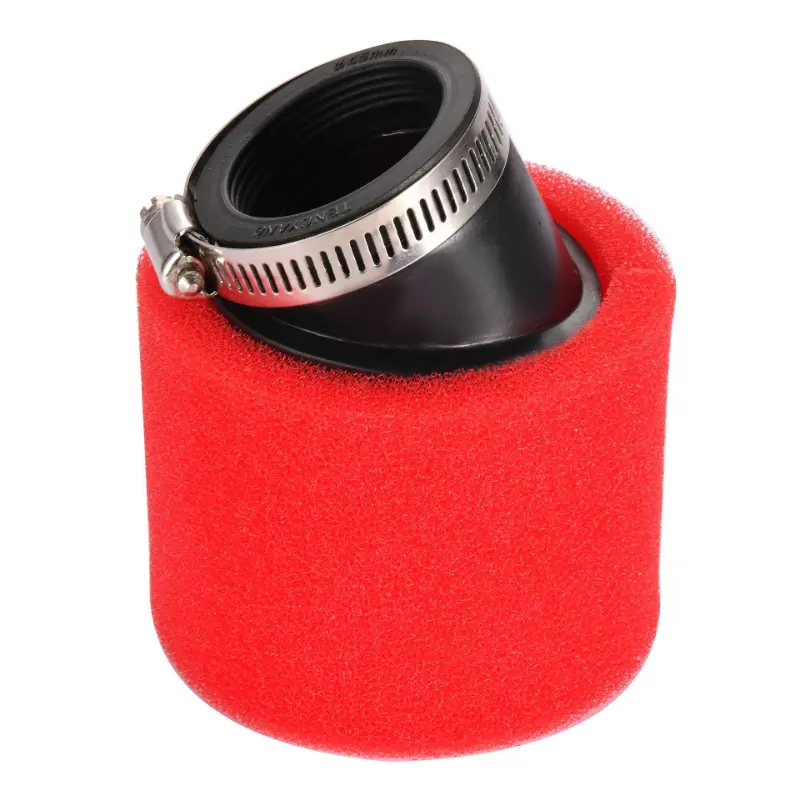
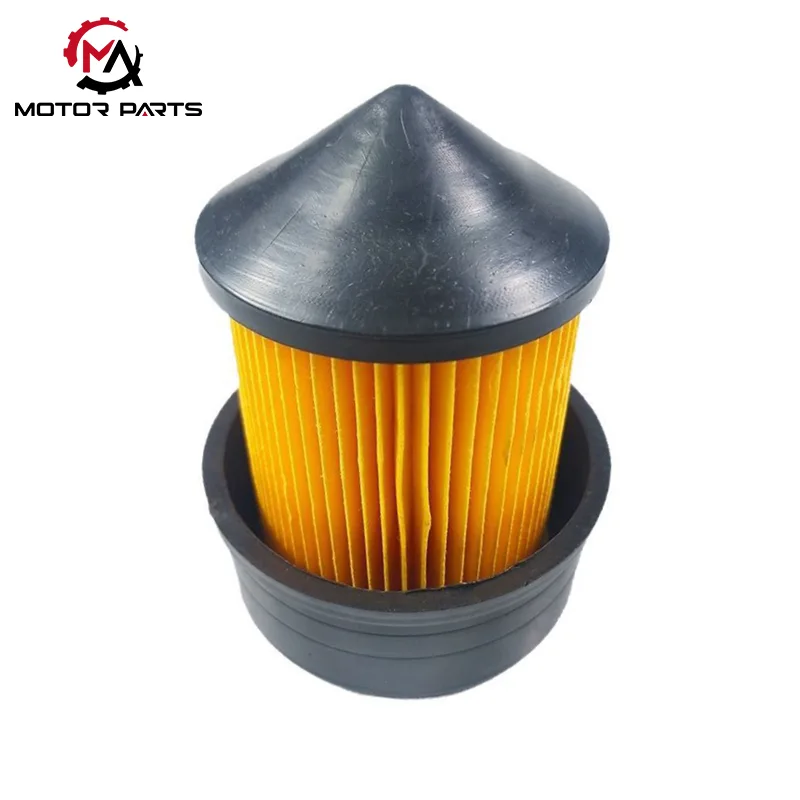
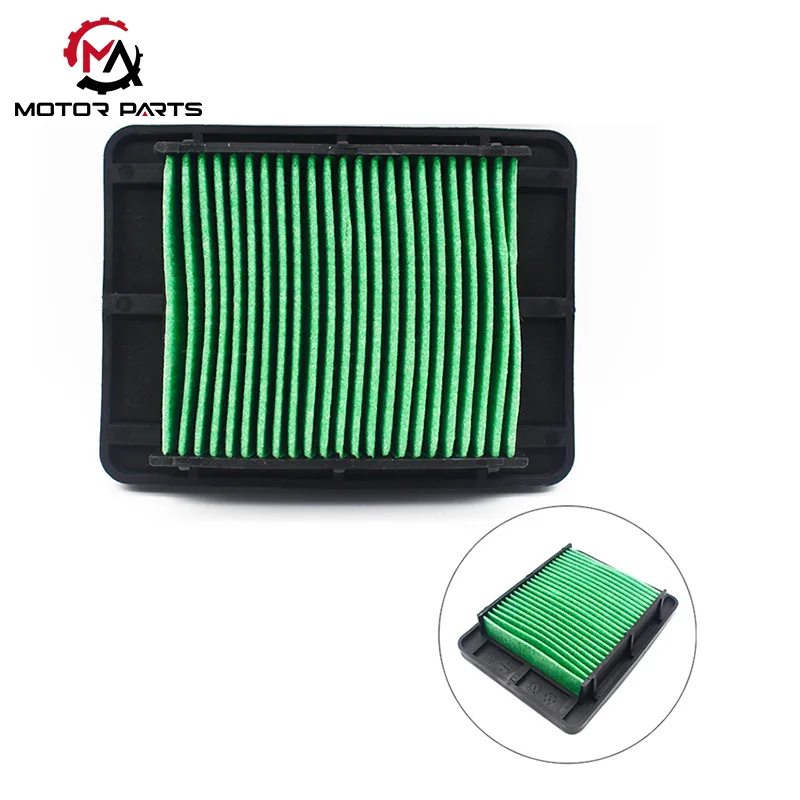
Air filtration is the first line of defense for the intake system. The motorcycle air filter intercepts dust, sand, and other impurities in the air through multiple layers of filtering materials (usually paper or sponge filters) to anti-particles from entering the engine and causing wear on accuracy components like pistons and valves.
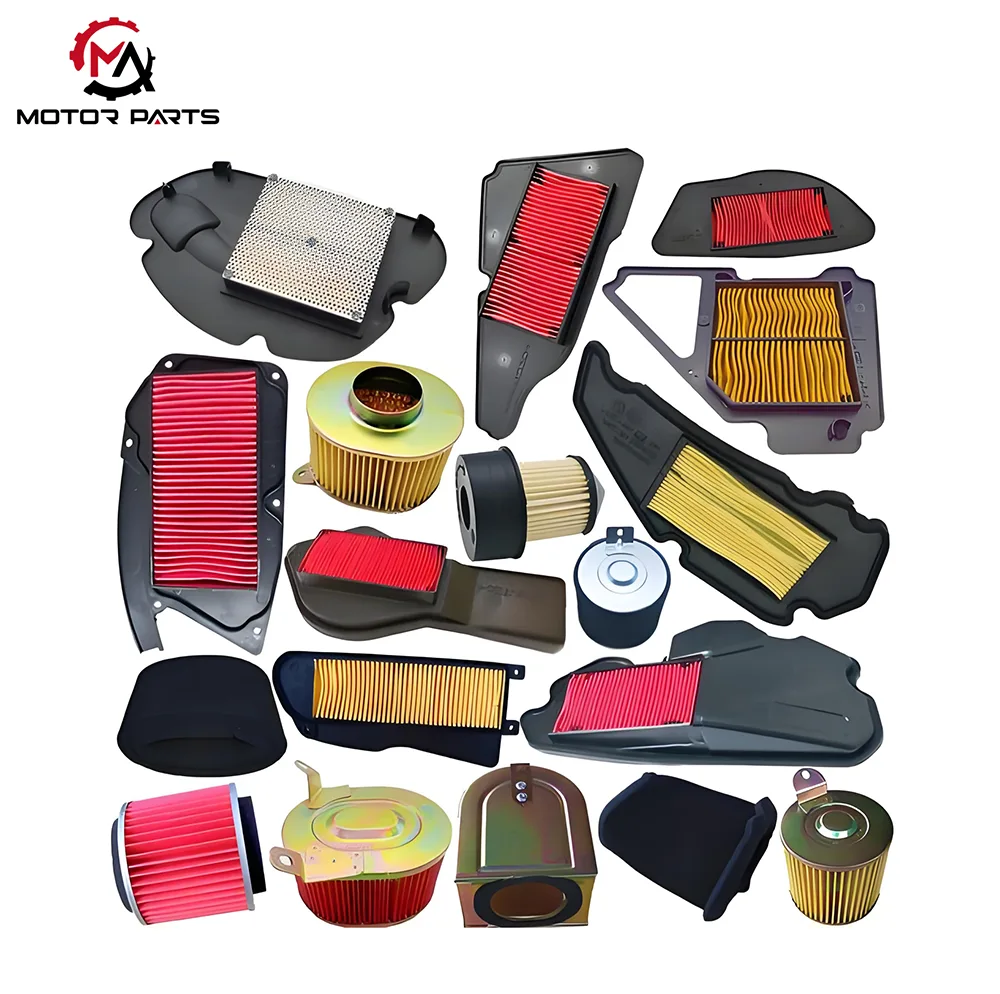
The filtration efficiency of high-quality air filters can reach over 99%, while controlling the intake resistance within 3kPa to ensure smooth intake. Regularly replacing the air filter in a dusty environment can extend the engine's life time by more than 30%.
The intake manifold is like the "breathing regulator" of a motorcycle, playing a crucial role in stabilizing intake and ensuring uniform valve distribution. Engineers need to accurately optimize pipeline structures during design to make air flow smoother and avoid severe fluctuations in airflow. By carefully adjusting the length and diameter of the motorcycle pipeline and cleverly utilizing air inertia, the "intake resonance" effect can be triggered. When the motorcycle engine is in a particular speed range, this resonance can sensibly increase the intake volume and provide sufficient "fuel" for combustion.
For motorcycles equipped with four cylinder engines, engineers usually use intake manifolds with equal length design to ensure balanced intake of each motorcycle cylinder and avoid uneven workload. Single cylinder motorcycles, usually adopt a spiral intake structure, which allows air to generate vortices when entering the burning chamber, thus mixing more thoroughly with gasoline and achieving more efficient combustion. Nowadays, some high-performance motorcycles are also equipped with fluctuating length intake manifolds, which combine intelligent control valves and can automatically switch the intake path according to engine speed. Whether it is the high torque demand during low-speed climbing or the power output during high-speed driving, it can always maintain excellent intake efficiency.
Exhaust system: the core hub for exhaust gas purification and performance improvement
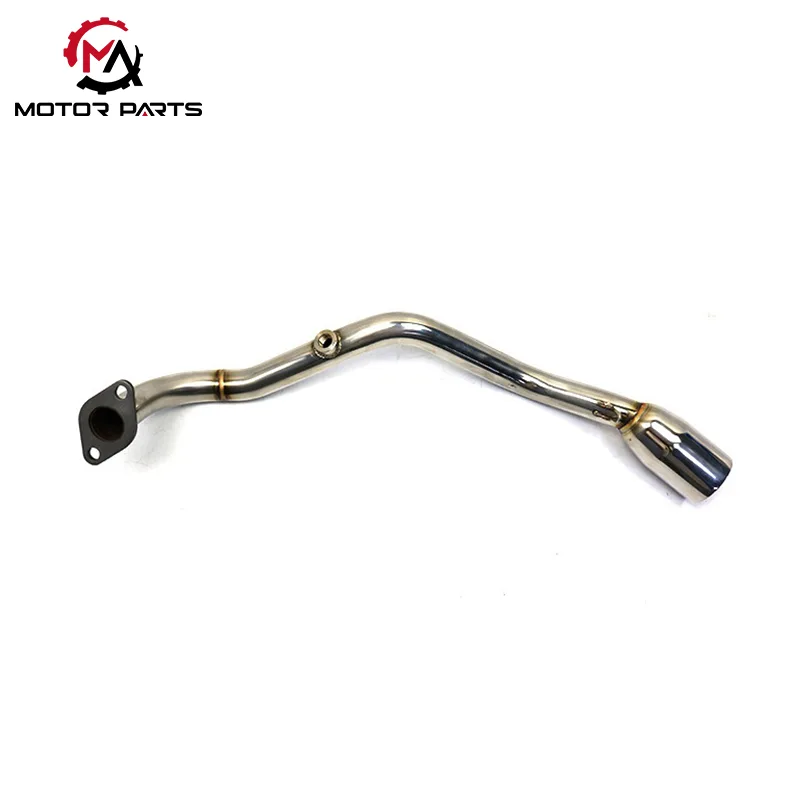
As the fundamental function of the motorcycle exhaust system, the core of exhaust gas export lies in efficient operation. The exhaust manifold needs to quickly collect the exhaust gas from each cylinder after combustion and introduce it into the exhaust manifold to prevent interference from the exhaust of each cylinder. In multi cylinder engines, the exhaust manifold adopts an "equal length design" to ensure that the exhaust resistance of each cylinder is balanced and cut down the interference of exhaust pulses with each other.
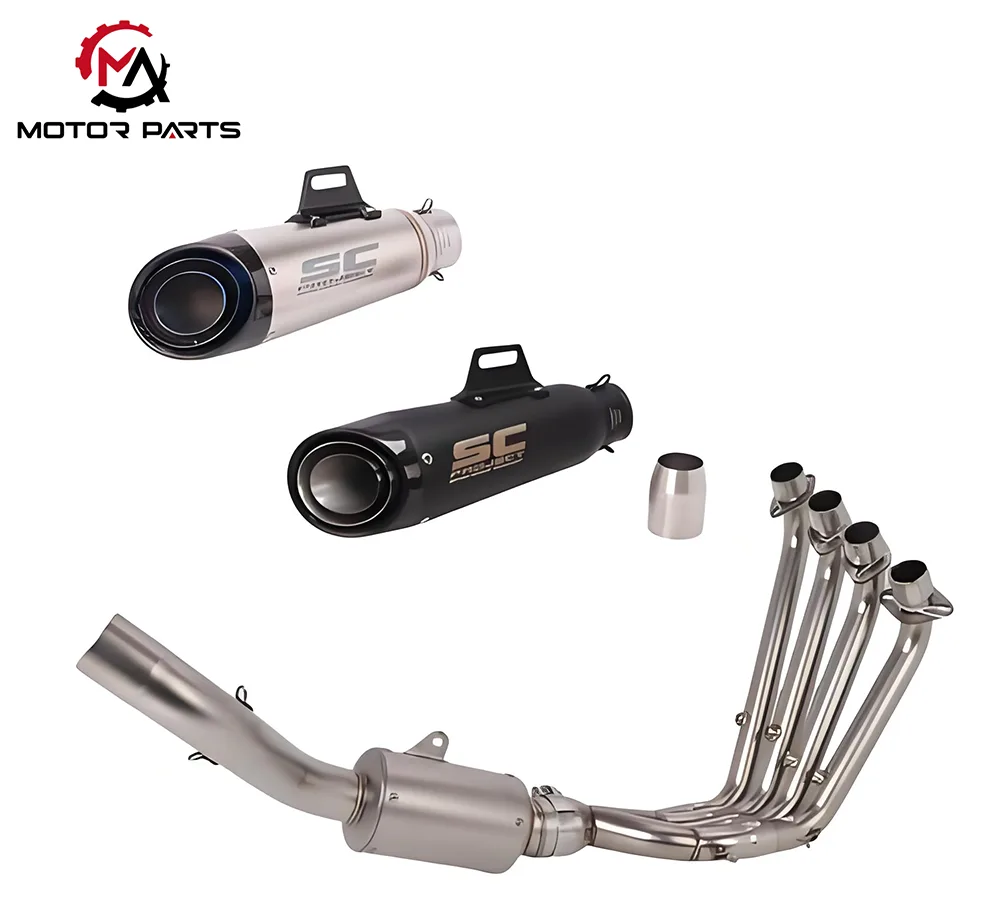
High performance models use stainless steel or titanium alloy to create exhaust manifolds, which are not only resistant to high temperatures, but also have smooth inner walls, effectively reducing exhaust resistance and improving exhaust flow efficiency. When the motorcycle engine is operating at high speeds, the exhaust system must have strong flow capacity to avoid residual exhaust gas in the combustion chamber and create favorable conditions for the entry of fresh mixture.
The exhaust noise reduction function is mainly achieved through a muffler, which is internally constructed with a composite noise reduction structure consisting of an expansion chamber, a resonant cavity, and sound-absorbing materials. It can actively attenuate the engine's exhaust roar of over 120 decibels to an acceptable range of below 80 decibels. The noise reduction mechanism of a motorcycle muffler mainly covers three dimensions:
Resistance noise reduction: By utilizing sudden changes in the cross-section of the pipeline, sound waves are reflected and mutually cancelled out, thereby weakening the sound energy;
Resistive noise reduction: using sound-absorbing materials such as glass fiber to absorb sound energy and convert it into heat energy, achieving noise reduction;
Small hole noise reduction: By injecting airflow through a porous tube, the exhaust flow rate is reduced, thereby reducing the generation of noise.
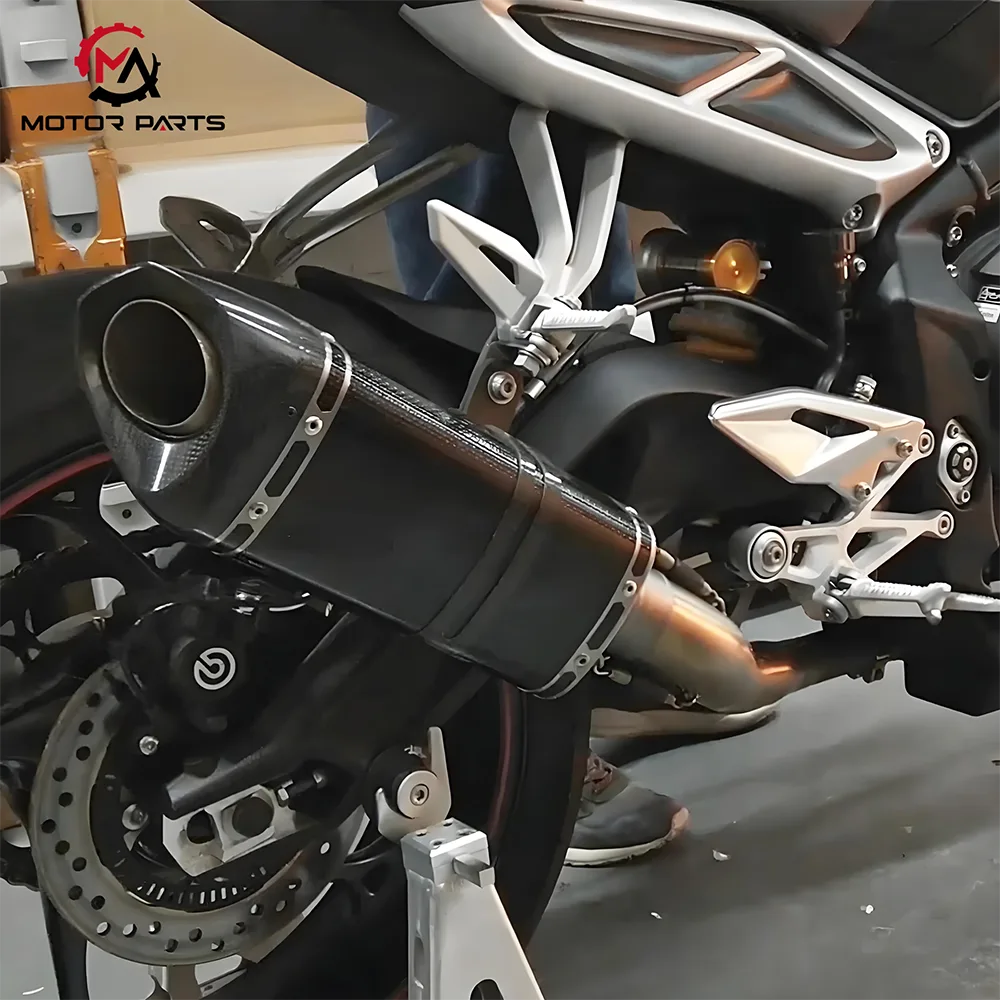
There are differences in the design requirements for motorcycle mufflers among different vehicle models: the short tail muffler for sports motorcycles focuses on optimizing exhaust smoothness and minimizing exhaust resistance while ensuring noise reduction effect; Cruise models, on the other hand, place more emphasis on noise reduction performance, using extended noise reduction channels to create a quiet driving experience.
Air intake and exhaust synergy: a dynamic regulator of power performance
The intake and exhaust system is like the breathing center of the engine, and the two work together precisely to construct a complete gas circulation system. The degree of matching optimization directly determines the power output characteristics. Under low-speed conditions, the system strengthens the inertia of the airflow and maintains moderate backpressure, laying a solid foundation for stable combustion; After entering the medium to high speed range, efforts are made to reduce flow resistance, utilize resonance effect to improve intake efficiency, and ensure efficient exhaust gas discharge.
Poor quality filter cartridges can easily lead to accelerated engine wear and tear. Max Trading's order notes clearly state the warranty terms (such as return and exchange standards for filter cartridge rupture/detachment). Max Trading do not produce low-quality products, which is irresponsible to our customers and a depreciation of our company's beliefs. Max Trading expect good products to not disappoint our customers' trust.