Max Trading's professional accumulation in the field of motorcycle components also extends to the production and manufacturing of motorcycle shock absorbers. Every motorcycle shock absorber component draws on cutting-edge simulation technologies and rigorous field testing systems, undergoing numerous rounds of precise tuning. The Max Trading team, through innovative efforts, improves the valve's fluid dynamic structure and the spring's elasticity coefficient, thus achieving a golden balance between comfort and handling stability. The shock absorbers produced by Max Trading are not just components - they are a fusion of innovation and reliability, designed to empower every ride.
As a part of the motorcycle riding system, Motorcycle Shock-Absorbing Accessories are an important component to ensure smooth and comfortable vehicle operation. It cleverly utilizes the collaborative operation mechanism of springs and dampers to effectively filter out the impact force caused by road irregularities, thereby preventing vibration from being directly transmitted to the frame and passengers. When facing complex road conditions such as speed bumps and potholes, shock absorbing components can quickly absorb and dissipate impact energy, not only significantly improving the comfort of riding, but also enhancing the stability of vehicle handling by maintaining good contact between tires and the ground, thereby ensuring driving safety in all aspects. It is an indispensable key safety configuration for motorcycles.
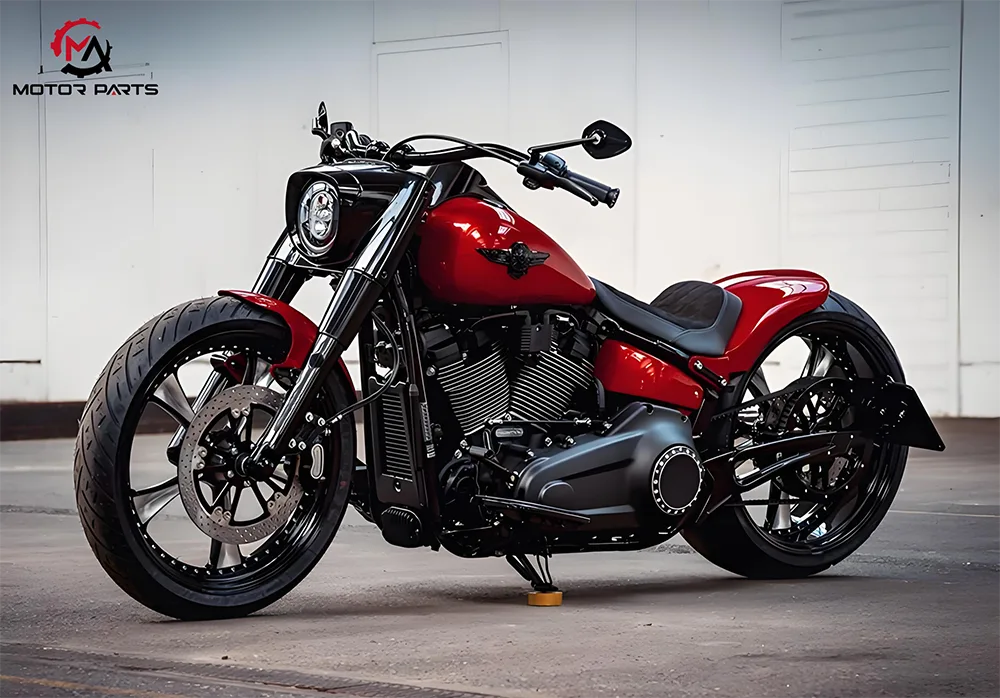
The functions of motorcycle shock absorbers complement each other, jointly building a safety barrier for vehicle travel from different dimensions, strengthening driving comfort and handling stability. Specifically, its role is reflected in the following aspects:
Motorcycle front shock absorber
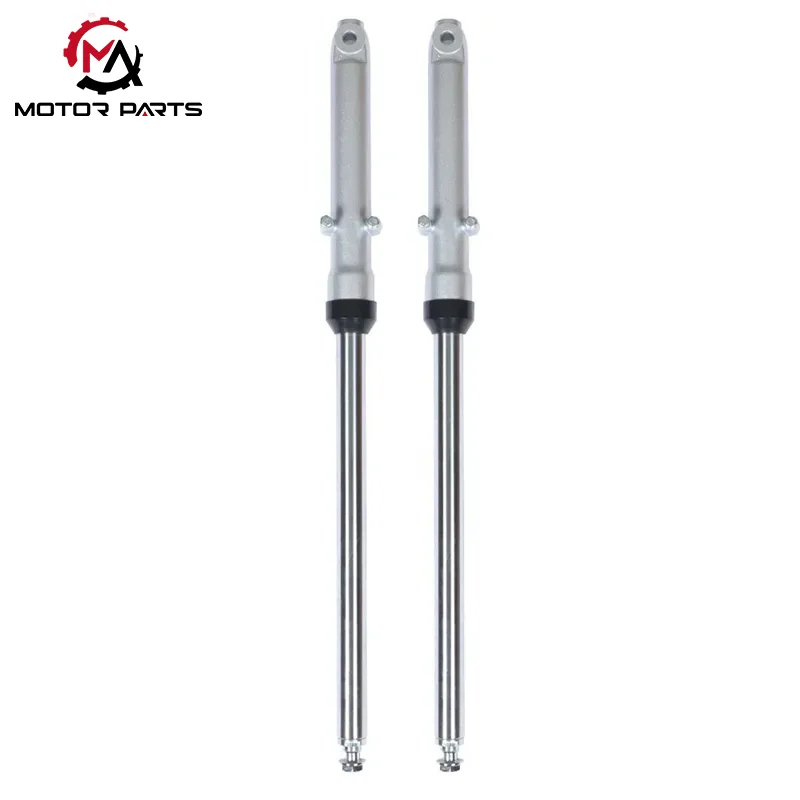
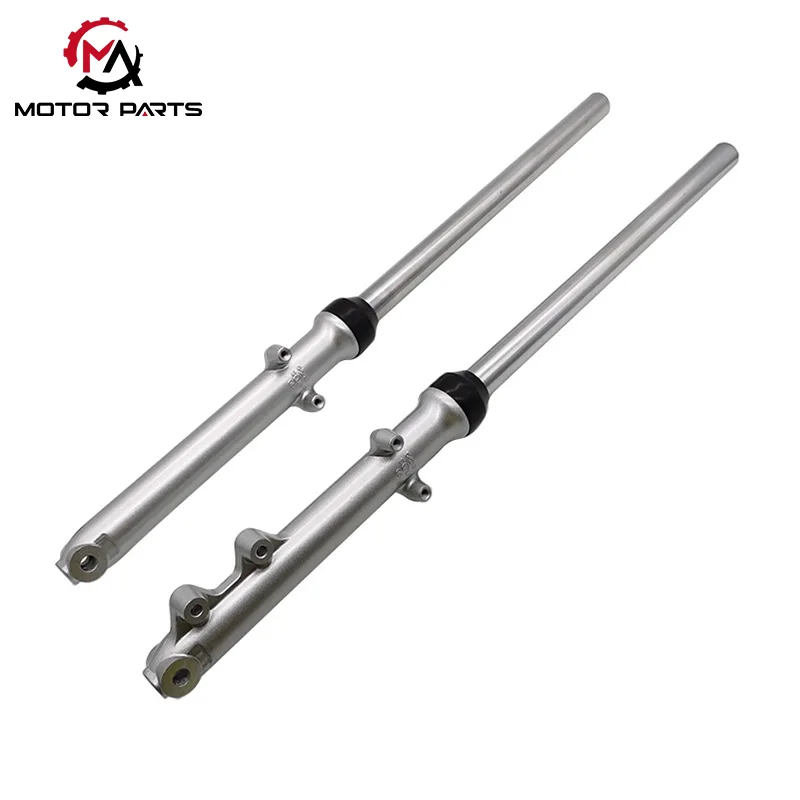
The front shock absorber of a motorcycle, as the core component that connects the front end of the frame to the front wheels, shoulders the responsibility of buffering road bumps and maintaining tire adhesion. It is the key to ensuring riding comfort and handling stability.
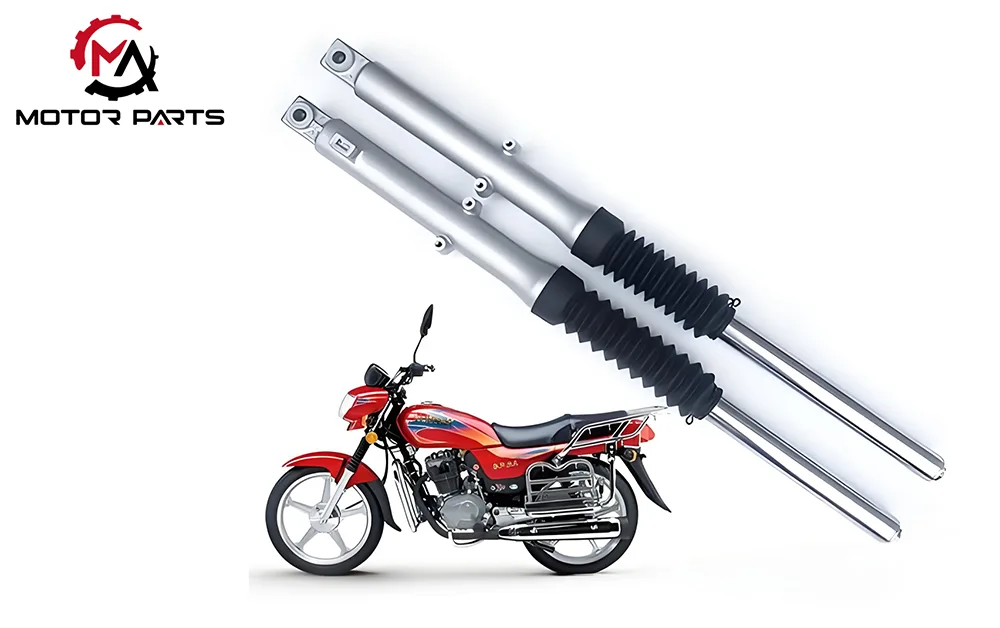
From the perspective of precise mechanical construction, the front shock absorber consists of core components such as an outer cylinder, inner rod, piston, oil seal, spring, and damper that work together. The outer cylinder is anchored to the frame, while the inner rod forms a dynamic connection with the front wheels. When the wheels encounter bumps, the inner rod will reciprocate up and down inside the outer cylinder. As the core elastic element, the spring takes the lead in receiving and absorbing impact force; The damper, also correctly controls the expansion and contraction amplitude of the spring based on the resistance generated by the flow of oil, making the shock absorption process smooth and effectively avoiding the vehicle from experiencing severe bouncing. .
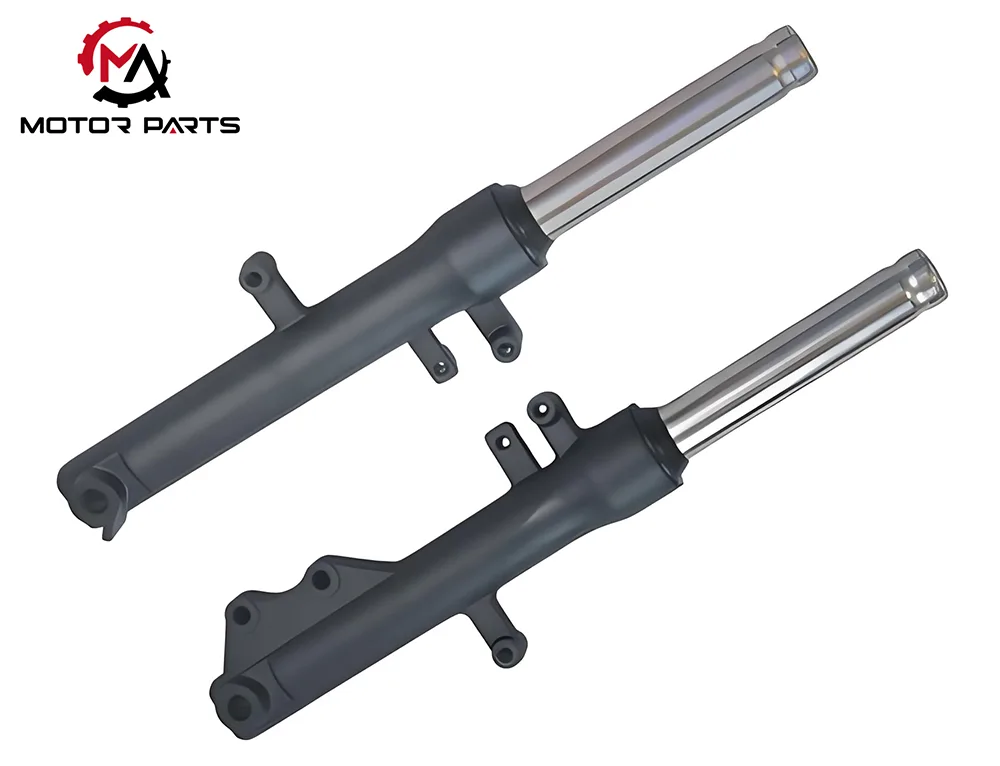
Front shock absorbers can be divided into upright and inverted fork types stem from structural differences. The upright front shock absorber, with its simple structure design of an outer tube at the bottom and an inner rod at the top, has become the first choice for ordinary street cars and cruising cars due to its advantages of low cost and easy maintenance. The inverted fork front shock absorber, on the other hand, adopts a unique layout of an outer cylinder on top and an inner rod on the bottom, strengthening the rigidity and response speed of the shock absorber. It shines in sports cars and off-road vehicles, and can easily cope with high strength driving challenges.
Motorcycle rear shock absorber
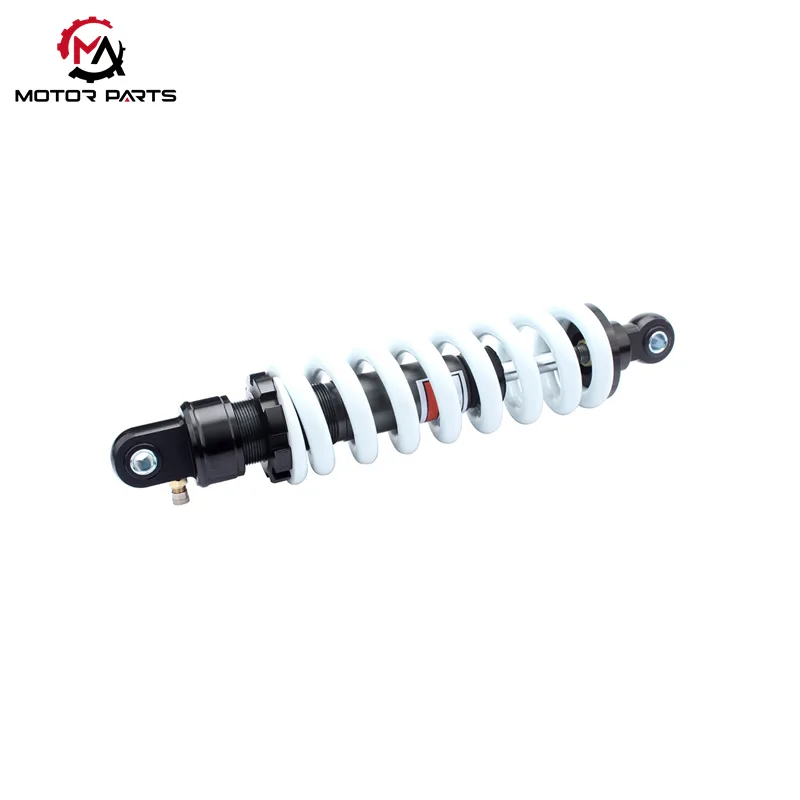
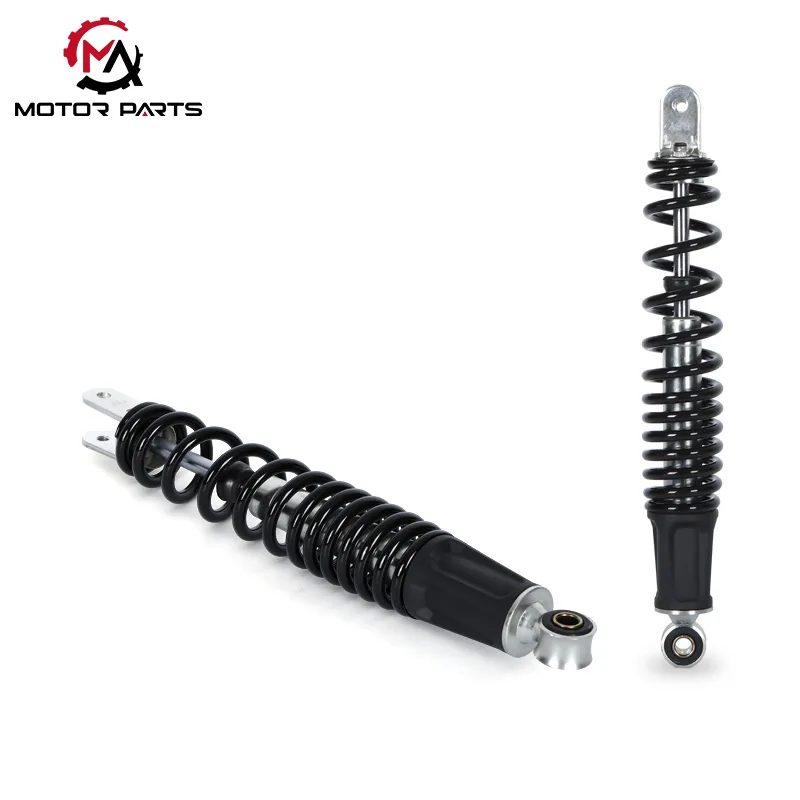
The rear shock absorber of the motorcycle is rooted between the rear of the frame and the rear rocker arm, forming a tacit partnership with the front shock absorber to jointly safeguard the balance and stability of the vehicle, and comprehensively enhance the driving and riding experience of the whole vehicle.
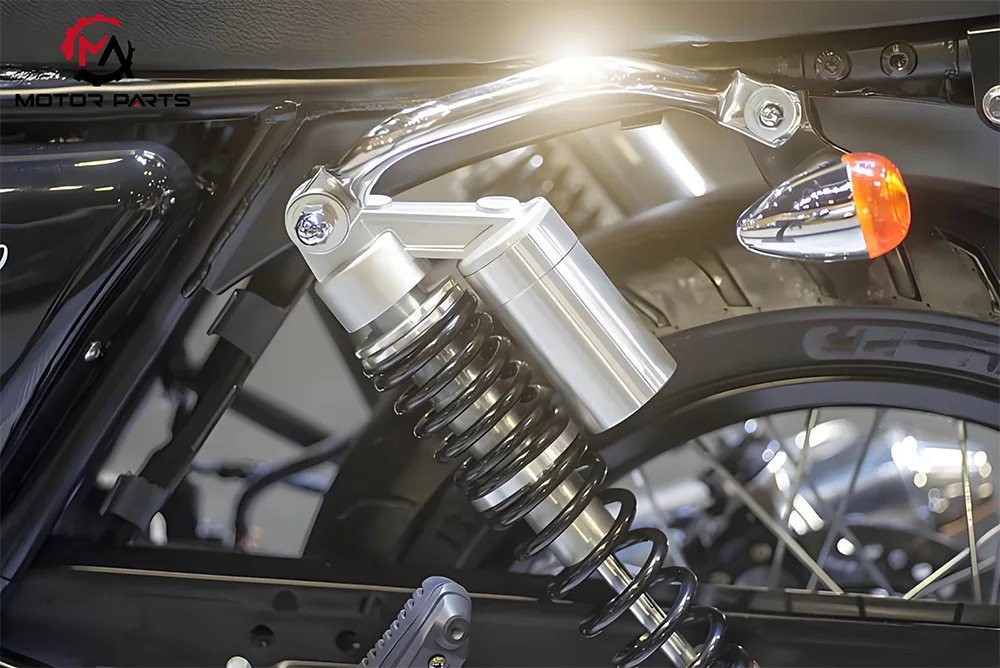
The rear shock absorber shares many similarities in structure with the front shock absorber, including key components such as springs, dampers, piston rods, and cylinder barrels. However, the design fully considers the performance requirements of different vehicle models, demonstrating a high degree of customization. Many rear shock absorbers are equipped with adjustable functions, allowing riders to flexibly adjust preload and damping parameters based on their own weight, load capacity, and road conditions. Pre load adjustment can finely change the initial compression of the spring, easily adapting to different load requirements; Damping adjustment can accurately control the expansion and contraction speed of the shock absorber, ensuring that the vehicle can move steadily in various road conditions, balancing comfort and safety.
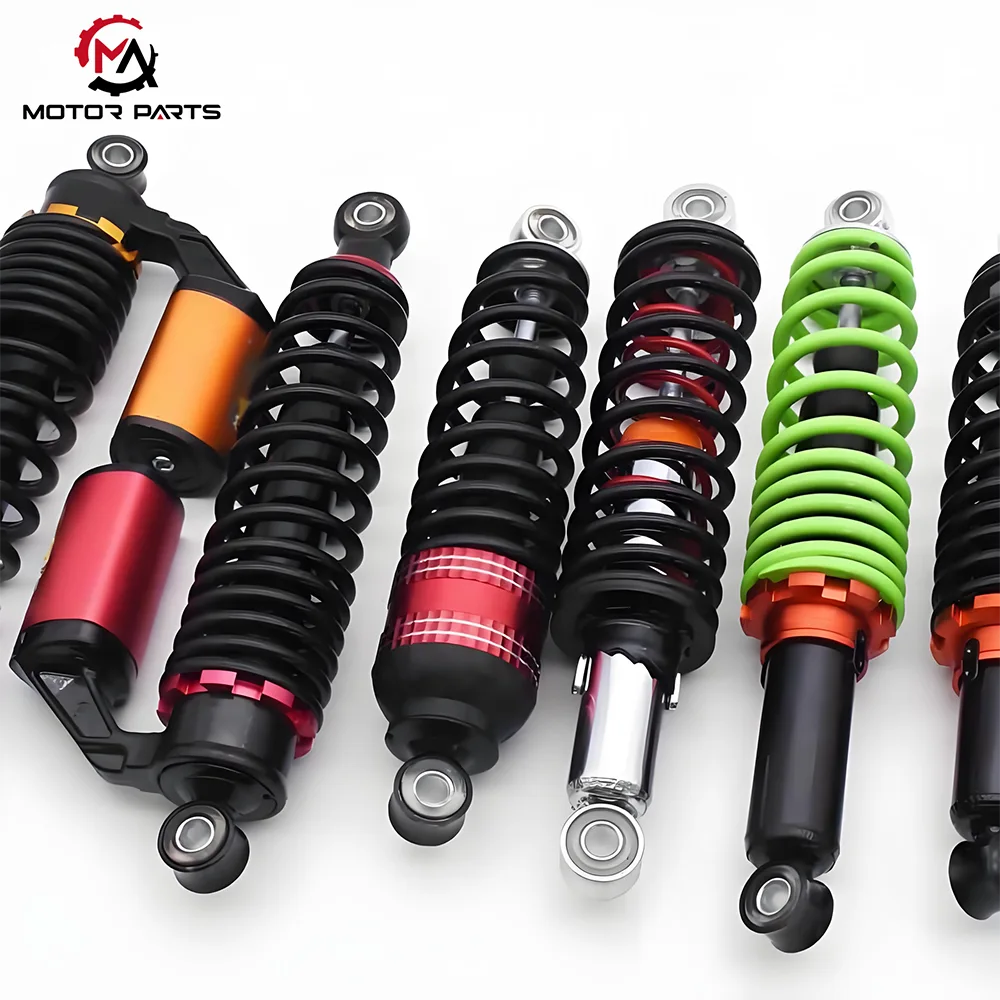
The rear shock absorber can be divided into single tube and double tube types according to its structure. Single tube rear shock absorbers have become the preferred choice for high-performance vehicles due to their compact size, excellent heat dissipation performance, and stable damping performance; The double tube rear shock absorber, with its classic combination of inner and outer tubes, occupies a place in the field of ordinary motorcycles with its affordable cost and convenient maintenance characteristics.
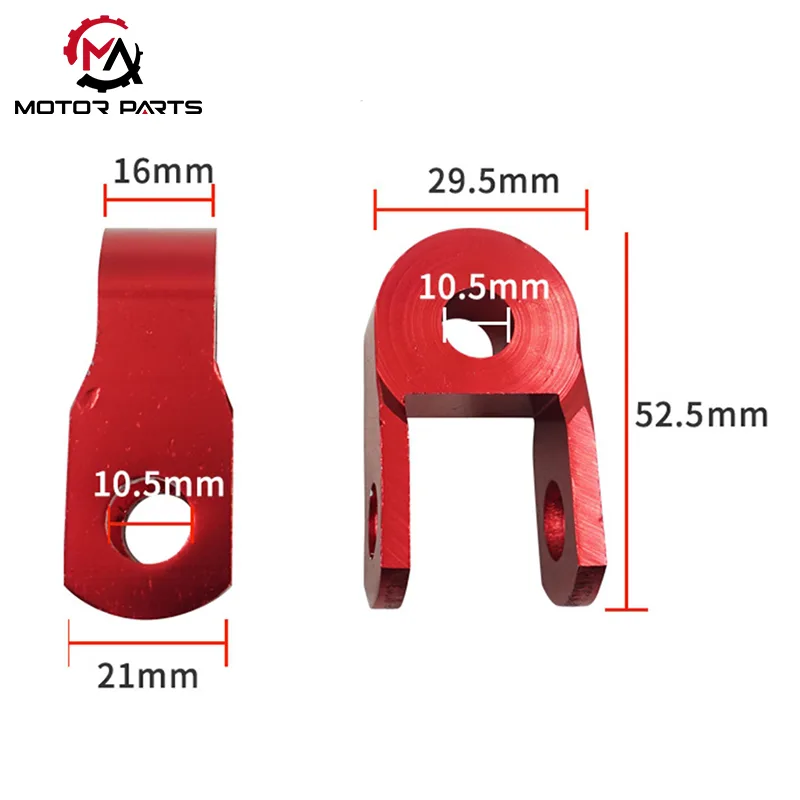
Motorcycle shock absorber booster
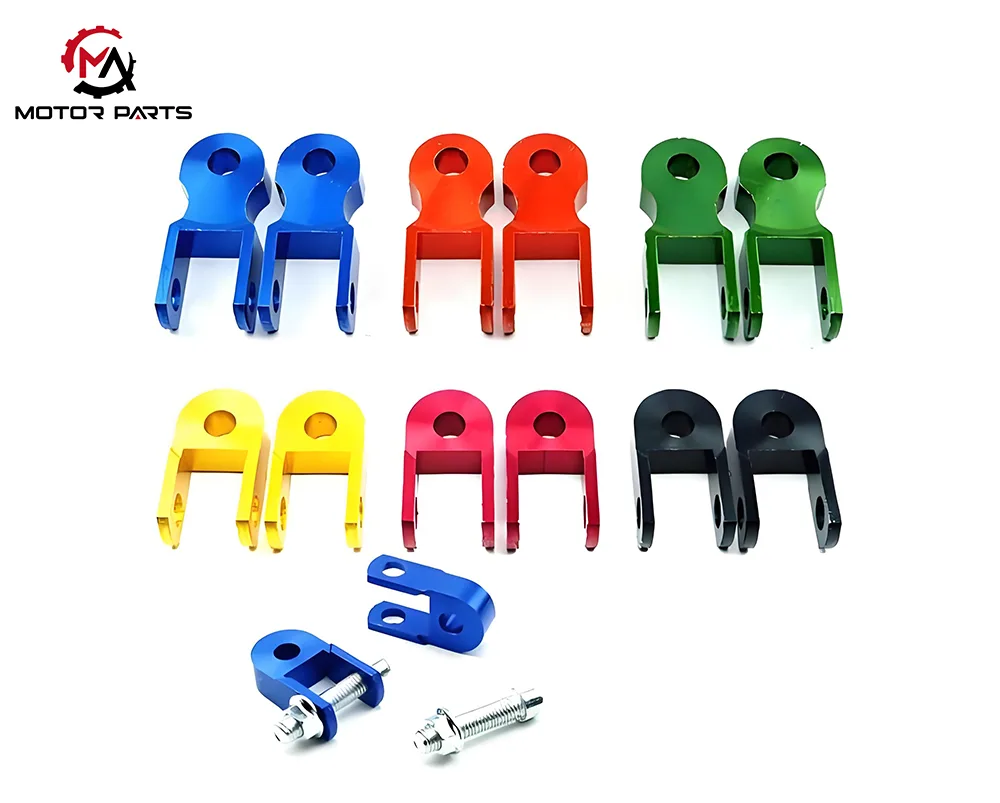
The motorcycle shock absorber booster is forged from selected high-strength alloy materials. As an accessory to enhance vehicle performance, it is cleverly installed on the front and rear shock absorbers.
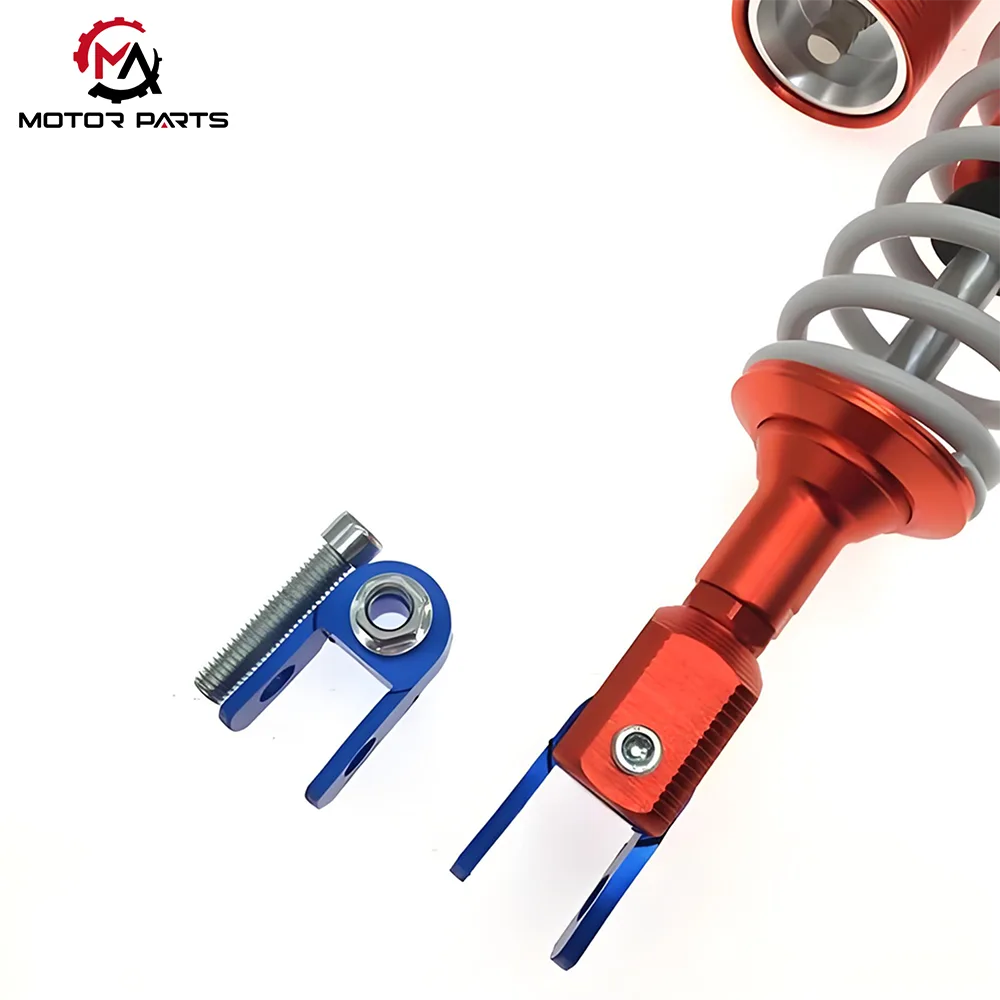
Extending the shock absorber's effective working length increases the vehicle's ground clearance while further enhancing its shock absorption performance. For riders enthusiastic about exploring unpaved trails or tackling off-road adventures, fitting such shock absorbers is akin to equipping the vehicle with wings—obviously boosting its passability and enabling it to effortlessly navigate complex obstacles. In addition, it can cleverly adjust the distribution of the vehicle's center of gravity, optimize the riding posture, and make long-distance driving easy and comfortable.
Max Trading selects high grade material system: using hardened alloy steel core to increase structural strength, paired with corrosion-resistant special alloy shell, injected with high-performance hydraulic oil, to build a stable protective barrier in extreme environments. Through over 1000 hours of continuous vibration testing, high and low temperature cycling tests from -40 ℃ to 120 ℃, and continuous pressure up to 3 times the rated load, the shock absorber ensures fantabulous wear resistance and zero leakage sealing. The ultimate goal is to extend the service life by 30% and reduce maintenance costs by 40%. Even after experiencing complex road conditions of tens of thousands of kilometers, precise damping response and stability performance can still be maintained.