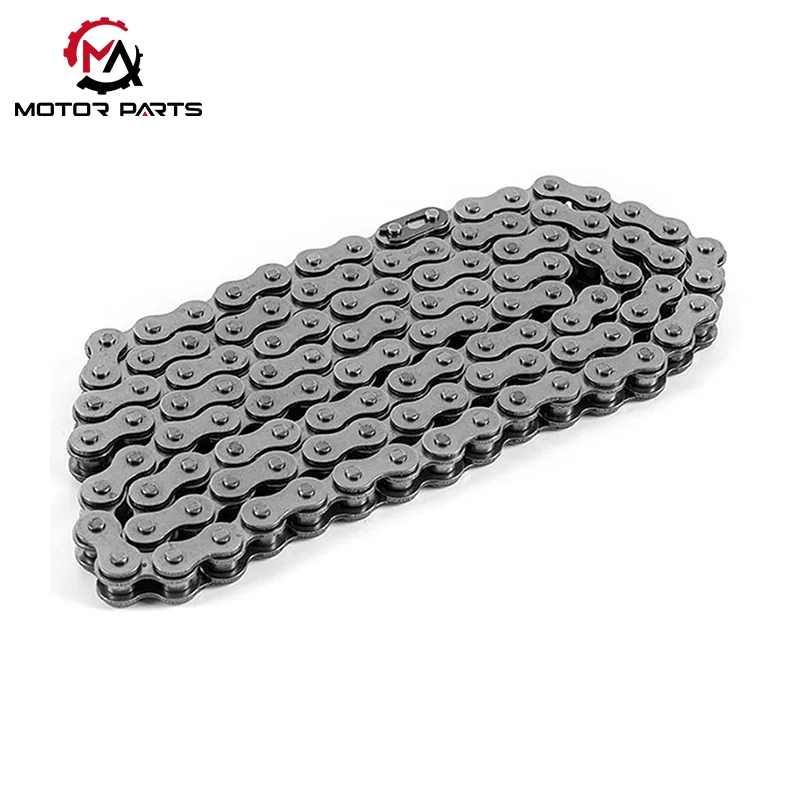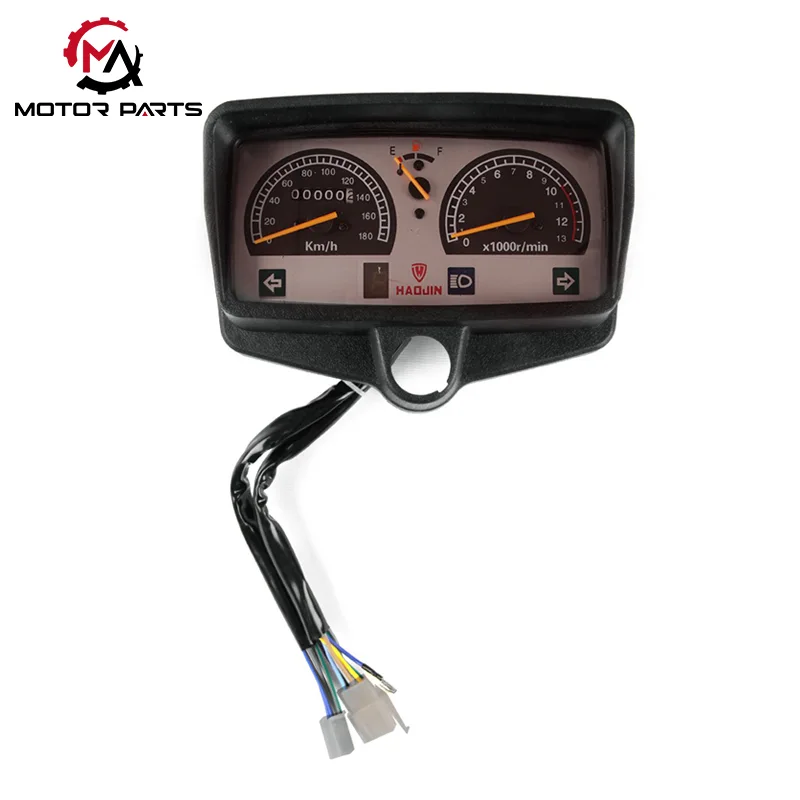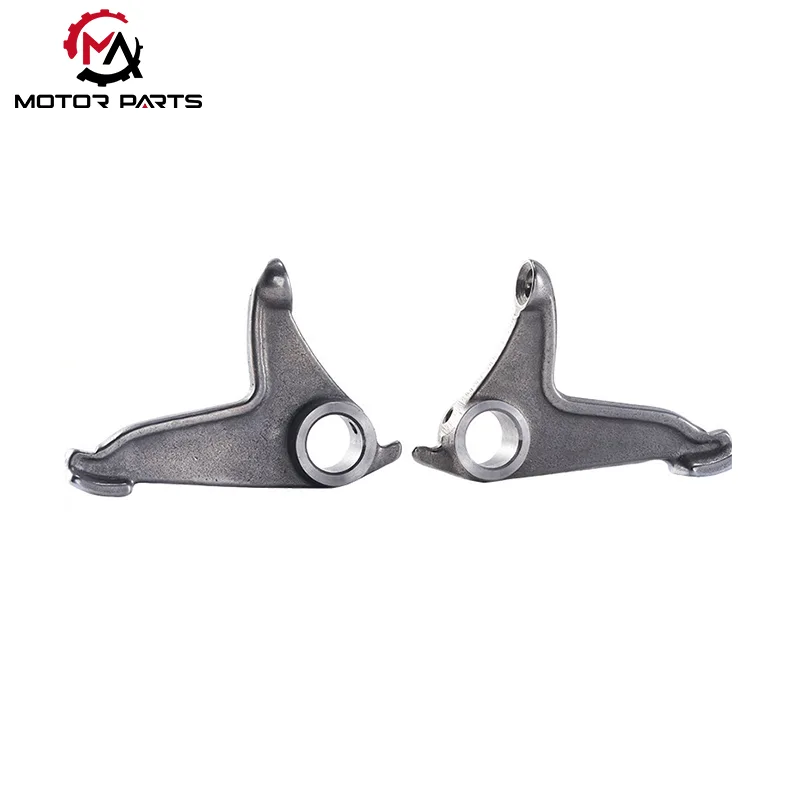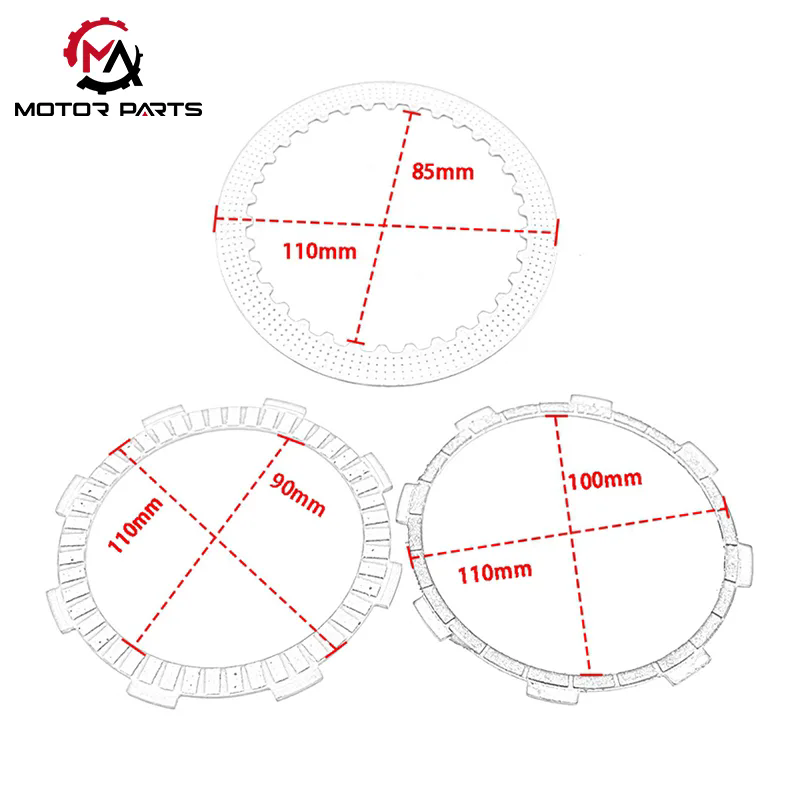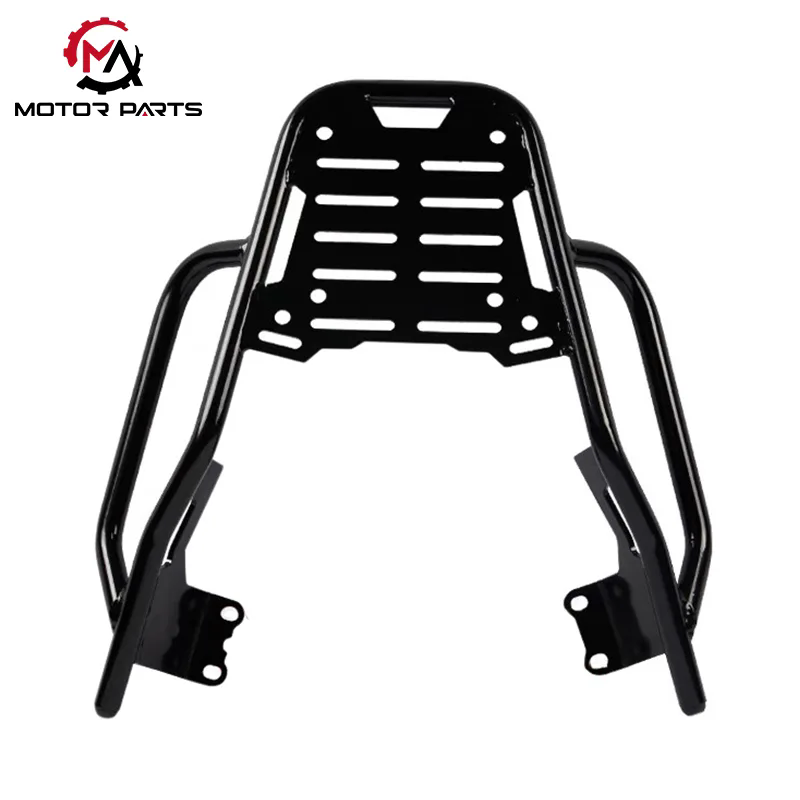
Motorcycle Riding Parts play a decisive role in rider protection, vehicle handling, and long-term riding comfort. From protective gear to functional riding components, each part is engineered to address specific risks encountered on urban roads, highways, and off-road environments. This article provides a structured and practical overview of Motorcycle Riding Parts, focusing on their functional value, key parameters, usage scenarios, and selection logic. By understanding how these components work together, riders and distributors can make informed decisions that enhance safety, durability, and riding confidence.
Motorcycle Riding Parts refer to a broad range of components and accessories designed to support rider safety, comfort, and operational control. These parts are not limited to protective apparel; they also include functional accessories that enhance grip, visibility, ergonomics, and environmental resistance during riding.
Unlike standard motorcycle components installed by manufacturers, riding parts are often selected based on rider behavior, road conditions, climate, and personal safety requirements. Properly selected Motorcycle Riding Parts help reduce fatigue, improve reaction time, and mitigate injury risks in unexpected riding situations.
Motorcycle Riding Parts can be divided into several core categories according to their functional roles. Each category addresses a specific aspect of riding safety and control.
Together, these categories form an integrated system that supports both short-distance commuting and long-distance touring.
Riders frequently encounter challenges that affect safety and comfort. Motorcycle Riding Parts are developed to directly address these pain points.
By targeting these issues, well-designed riding parts contribute to a more stable and predictable riding experience.
Understanding technical parameters helps evaluate the suitability and durability of Motorcycle Riding Parts. The following table highlights commonly assessed specifications.
| Parameter | Description |
|---|---|
| Material Composition | Rubber, aluminum alloy, reinforced polymer, composite materials |
| Surface Treatment | Anti-slip texture, anodized finish, wear-resistant coating |
| Impact Resistance | Designed to absorb or disperse external force |
| Weather Adaptability | Performance stability under rain, heat, and cold conditions |
| Compatibility | Adaptation to different motorcycle models and handlebar sizes |
Selecting Motorcycle Riding Parts depends on riding style, environment, and frequency of use. Urban riders may prioritize visibility and ergonomic comfort, while touring riders often focus on vibration reduction and weather resistance.
Professional riders and distributors typically assess product reliability, installation compatibility, and long-term durability before selection. Brands such as SYBO emphasize consistent material quality and functional testing to meet diverse riding demands across global markets.
Q: Are Motorcycle Riding Parts necessary for daily commuting?
A: Yes. Even short-distance commuting exposes riders to traffic risks, weather changes, and fatigue. Riding parts enhance control and protection in everyday conditions.
Q: Do riding parts affect motorcycle performance?
A: Properly designed parts improve handling feedback and rider stability without negatively affecting vehicle performance.
Q: How often should Motorcycle Riding Parts be replaced?
A: Replacement cycles depend on usage frequency, environmental exposure, and material wear. Regular inspection is recommended to ensure continued safety.
Motorcycle Riding Parts are essential components that support rider safety, comfort, and confidence across varying road conditions. By understanding functional categories, technical parameters, and application scenarios, riders and distributors can align product choices with real-world needs.
Max Trading continues to provide application-oriented Motorcycle Riding Parts designed for reliability and rider-focused performance. For product details, customization options, or distribution cooperation, please contact us to explore long-term partnership opportunities.