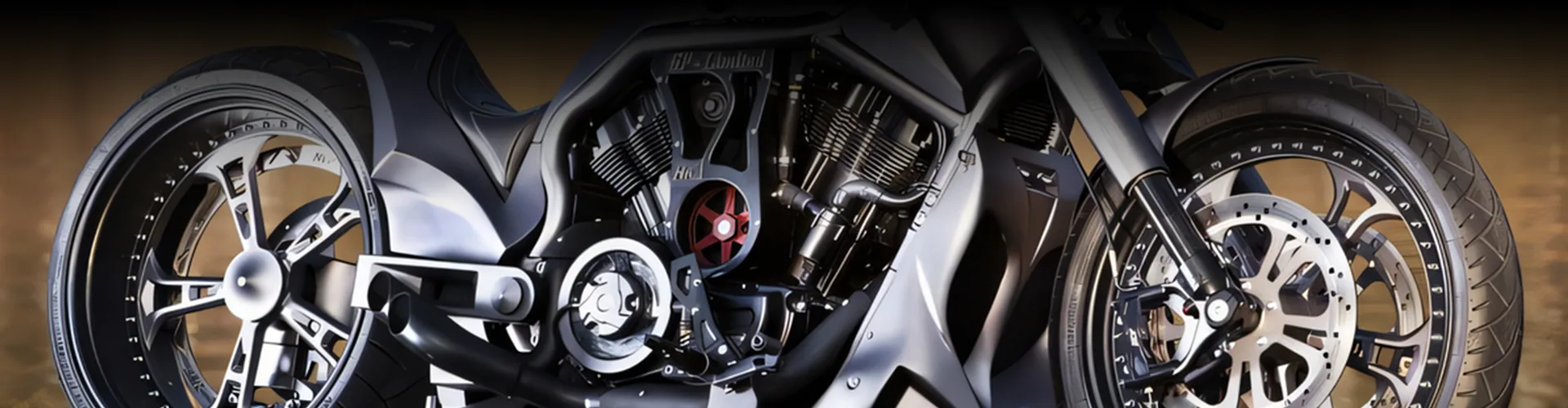
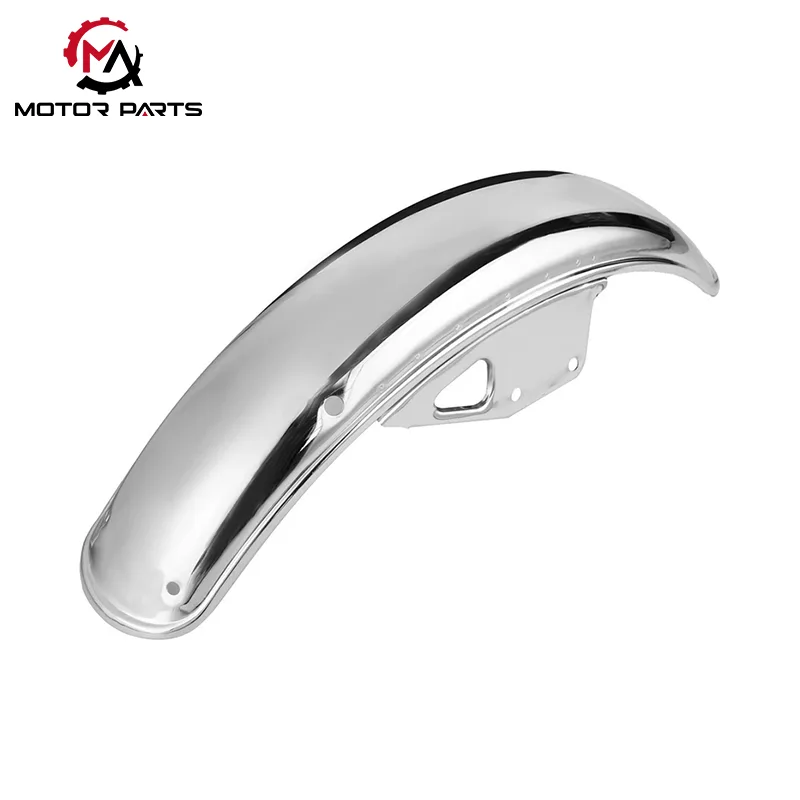
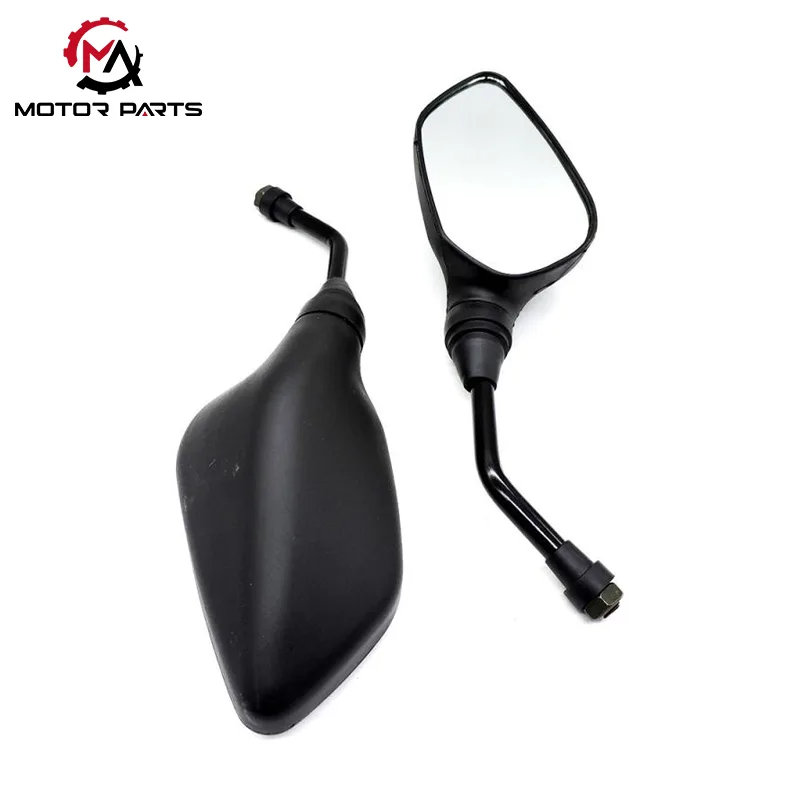
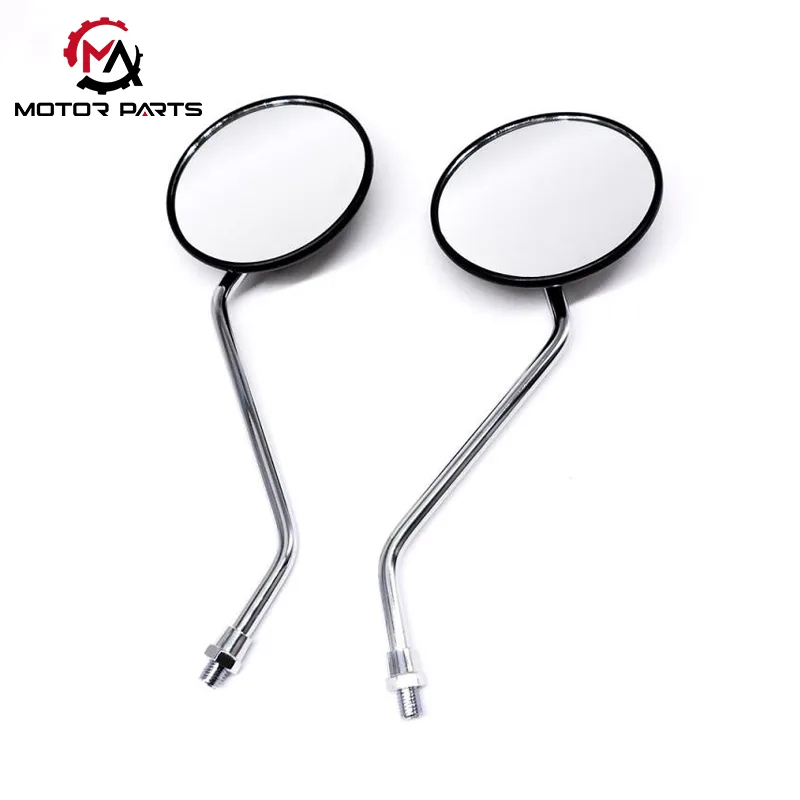
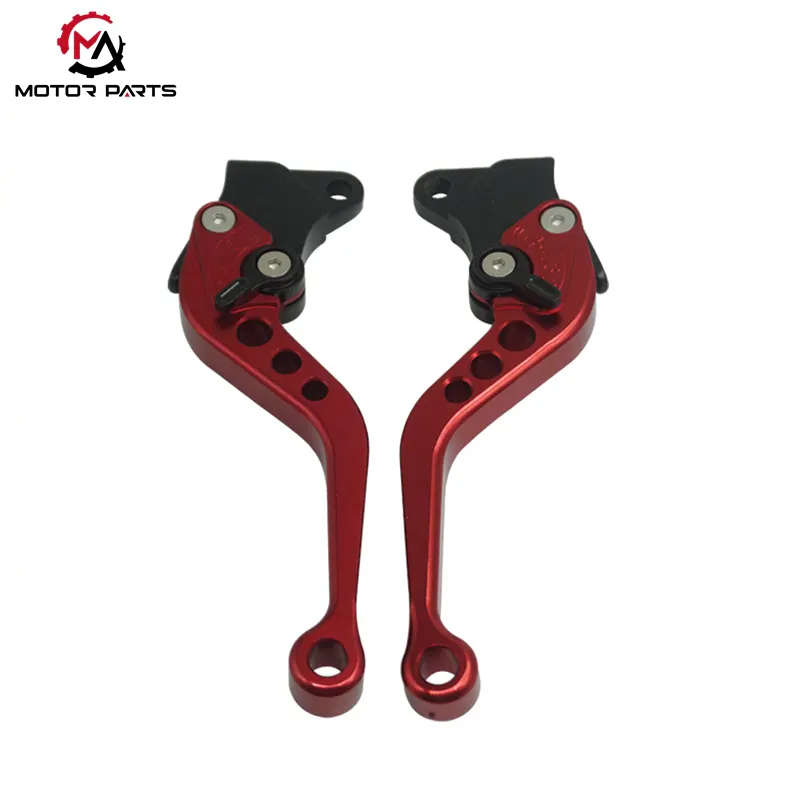
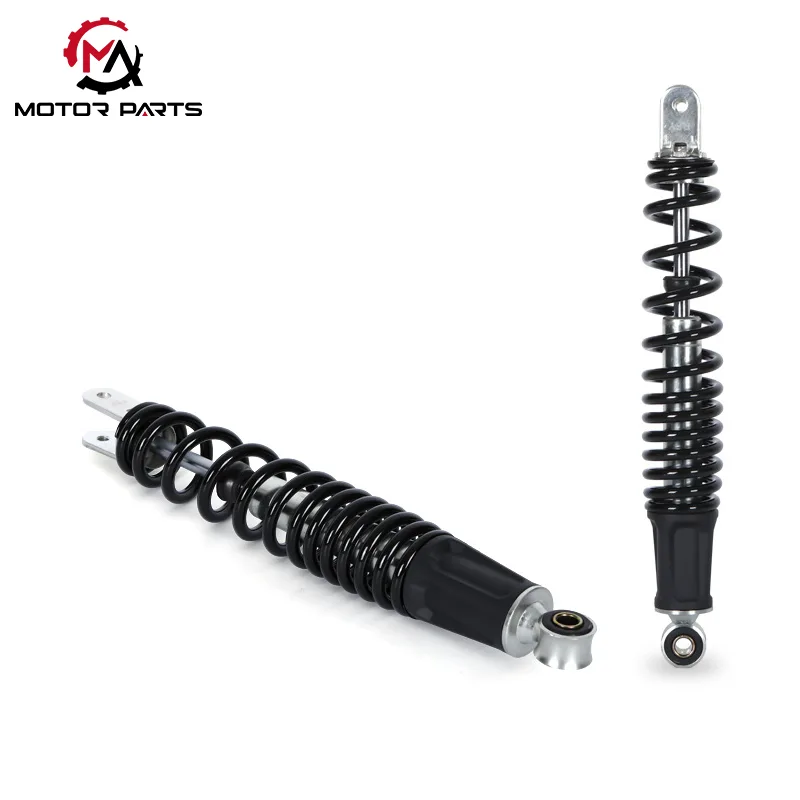
The motorcycle riding parts are the core module that supports vehicle operation, ensures handling stability and riding comfort, and its performance directly affects the riding experience and safety. Max Trading produces metal materials for motorcycle riding accessories that meet the requirements of strength, corrosion resistance, lightweight, wear resistance, and safety. Max trading ensures that the quality and performance of raw materials meet the highest standards, meeting the needs of different motorcycle brands and models. The products produced can better provide effective protection for riders and key components of vehicles.
The parts is mainly consist of frame accessories, shock absorption accessories, wheels and hubs, tires and other accessories, which work closely together to buffer road impacts, transmit power and keep dynamic balance of the vehicle body.
Motorcycle frame accessories: the "skeleton" of the entire vehicle
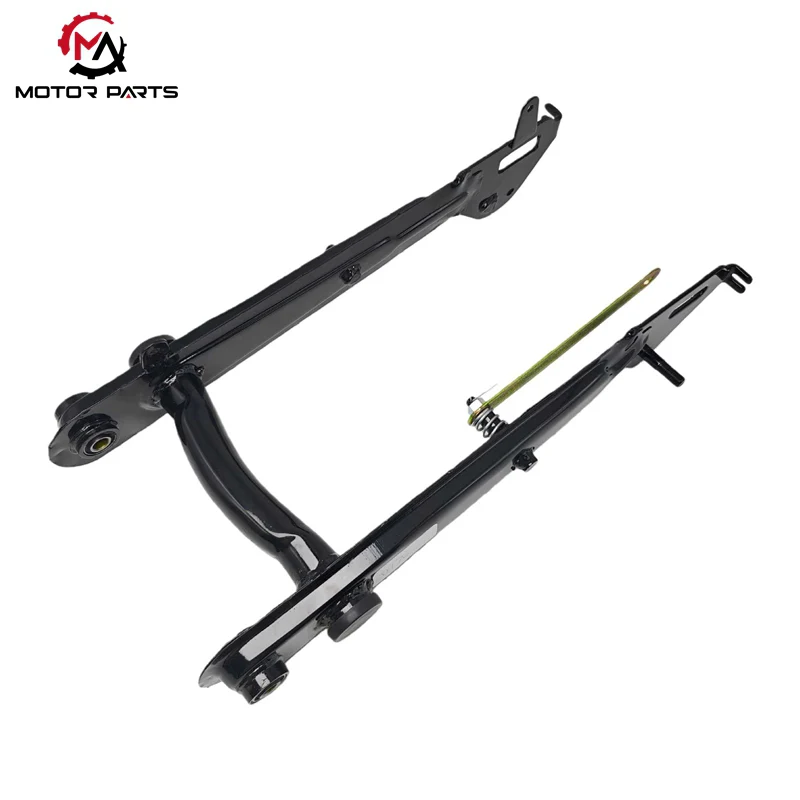
As the main framework of the motorcycle riding parts, the frame is like a human skeleton, firmly connecting key accessories like the engine, gearbox, shock absorbers, and wheels to form a solid whole. It not only needs to bear the weight of the vehicle, passengers, and cargo, but also needs to resist the complex impact and torque from the road surface during driving.
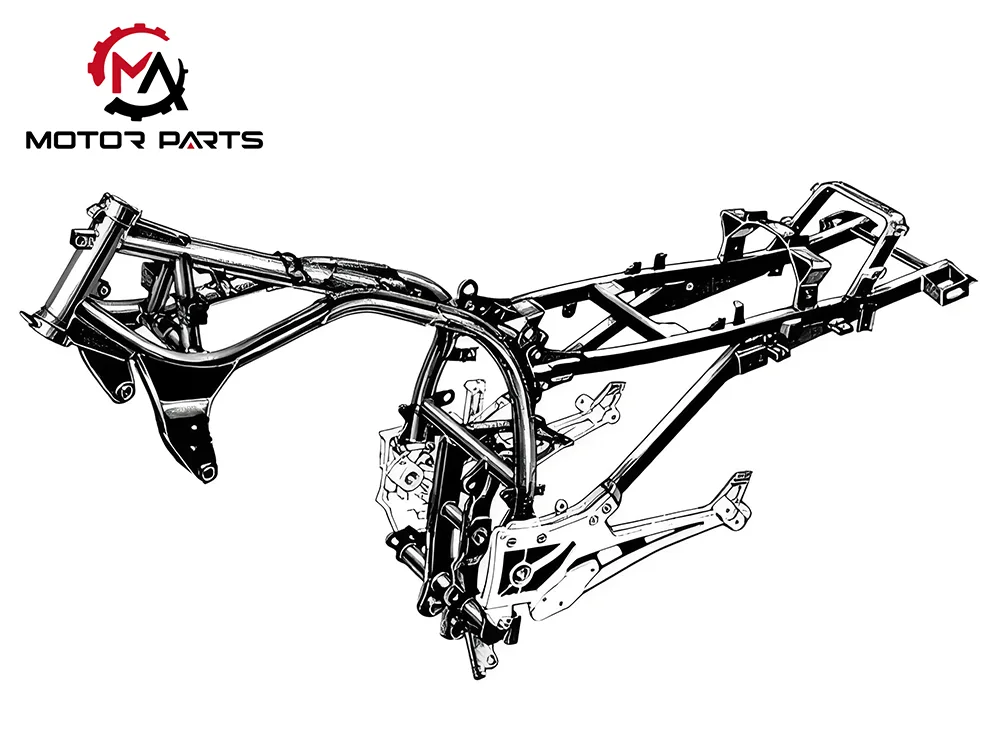
Common frame types involve cradle frame, diamond frame, and double wing beam frame. The cradle frame is named after its resemblance to a cradle, and is commonly used in cruise cars and Crown Prince cars due to its all-around wrapping of the engine, effectively dispersing operational vibrations; The diamond shaped frame, with its simple and lightweight structure and excellent rigidity, has become the mainstream choice for streetcars and sport motorcycles; The double wing beam frame is made of two thick steel beams extending in a double wing shape, which has extremely high strength and rigidity. It is generally used in high-performance sports cars and can transmit control commands to cope with high-speed driving and intense driving scenarios with ease.
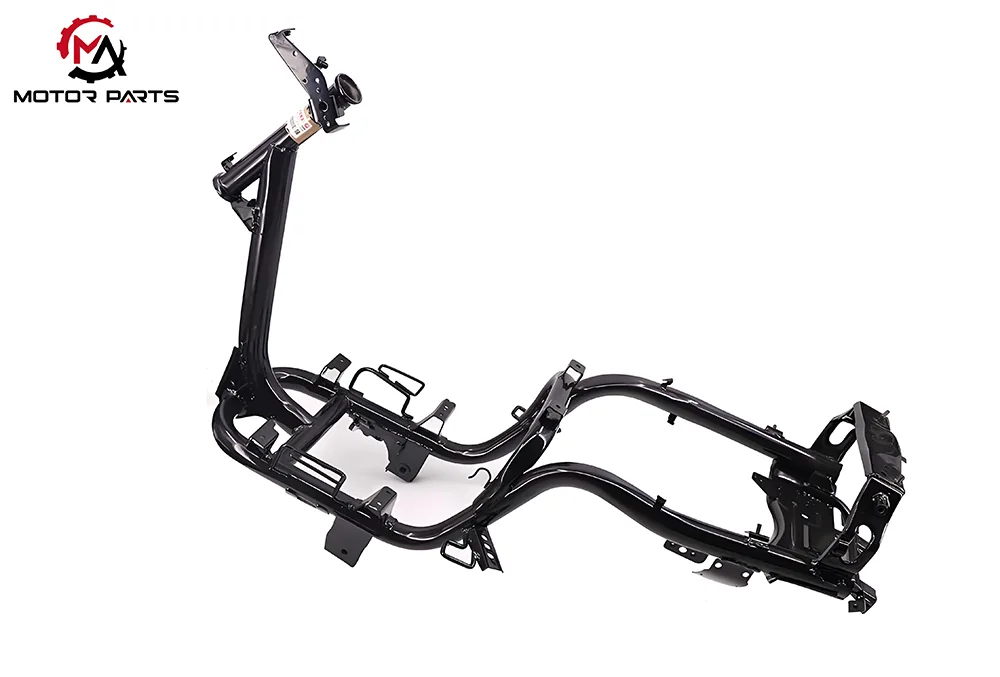
Motorcycle shock absorber accessories: a "protective umbrella" for buffering impact
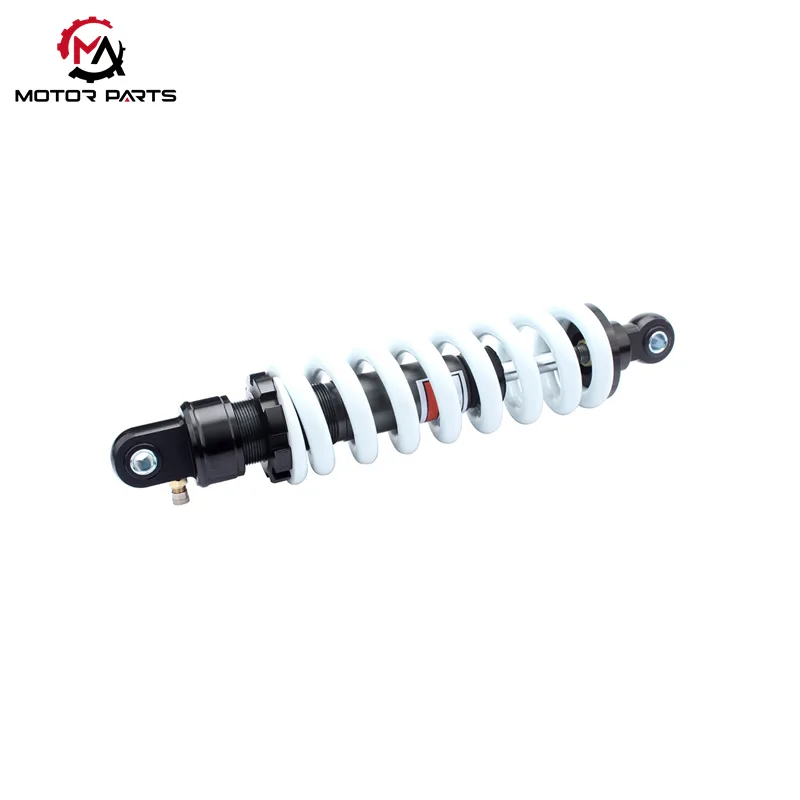
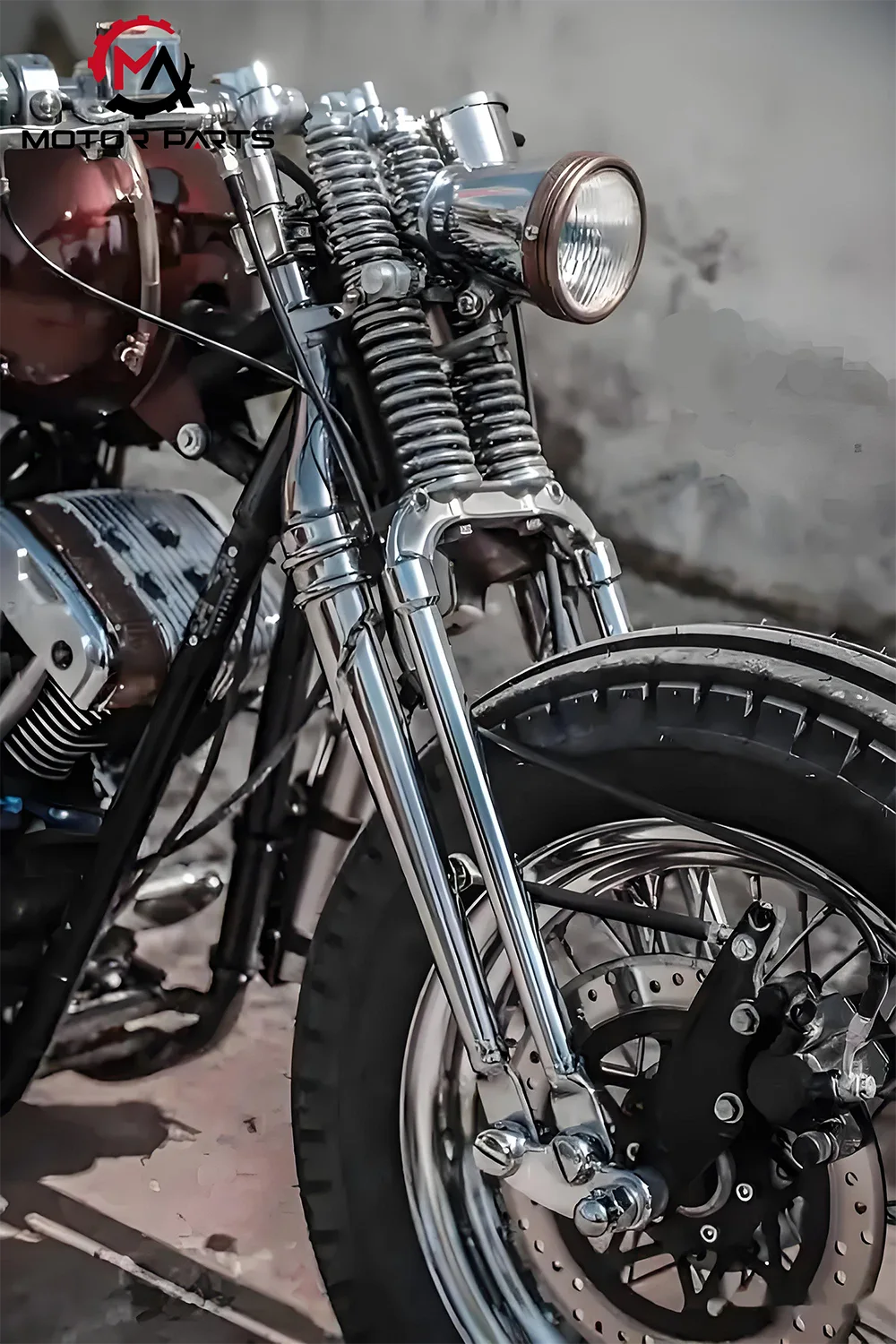
Motorcycle shock absorbers are the key to improving ride comfort, mainly composed of front and rear shock absorbers. The front shock absorber of the motorcycle is installed between the front end of the frame and the front wheel, and the rear shock absorber of the motorcycle is connected to the rear of the frame and the rear rocker arm. The two work together to significantly reduce vibration and impact during driving.
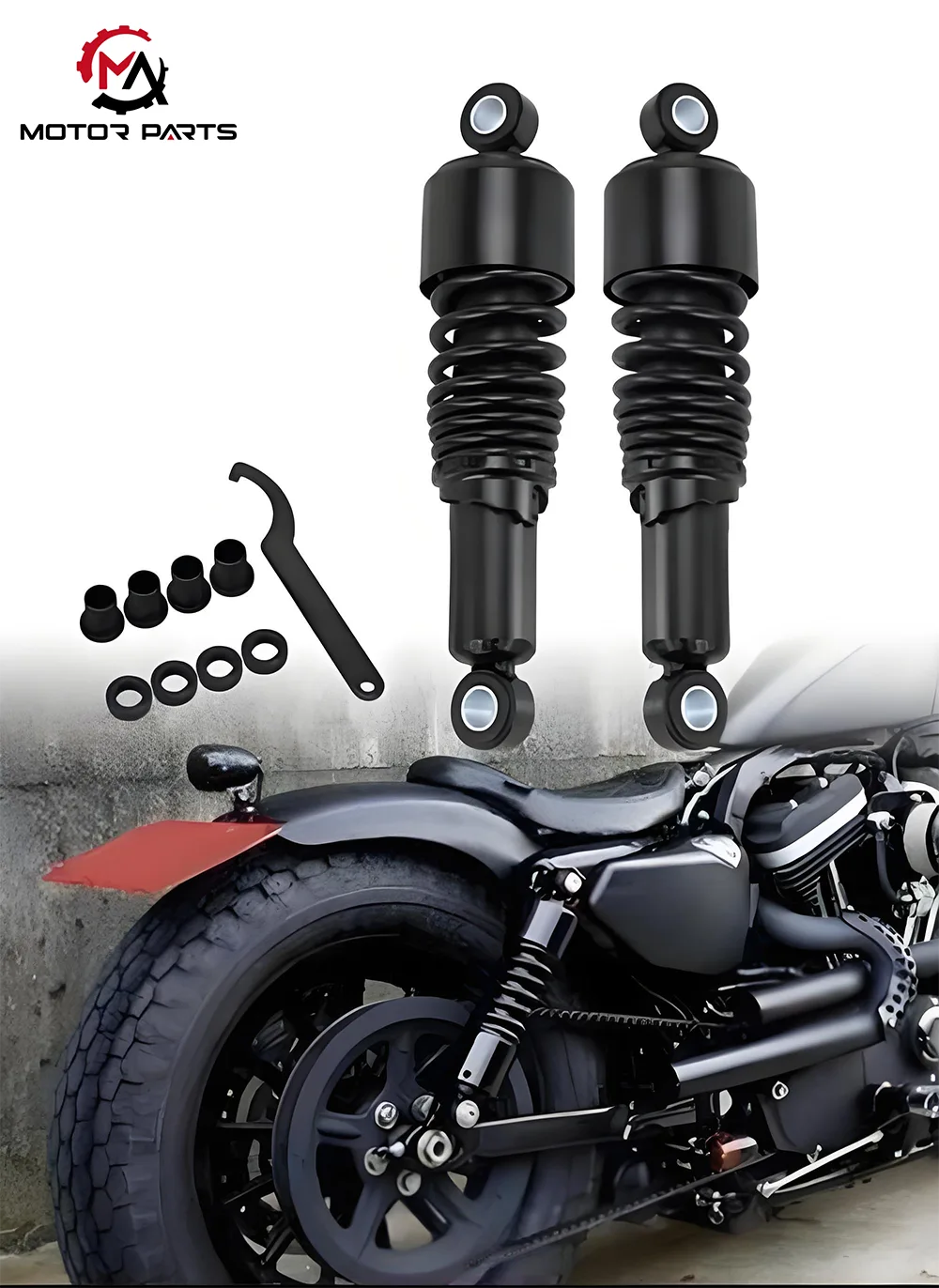
Common types of front shock absorbers include upright shock absorbers and inverted fork shock absorbers. The upright shock absorber has a simple structure and controllable cost, and is widely used in ordinary street cars and commuting motorcycles; Inverted fork shock absorbers invert the inner and outer tubes, effectively suppressing body deformation during high-speed cornering and rapid acceleration with higher strength and more sensitive response, becoming a standard feature of sports motorcycles.
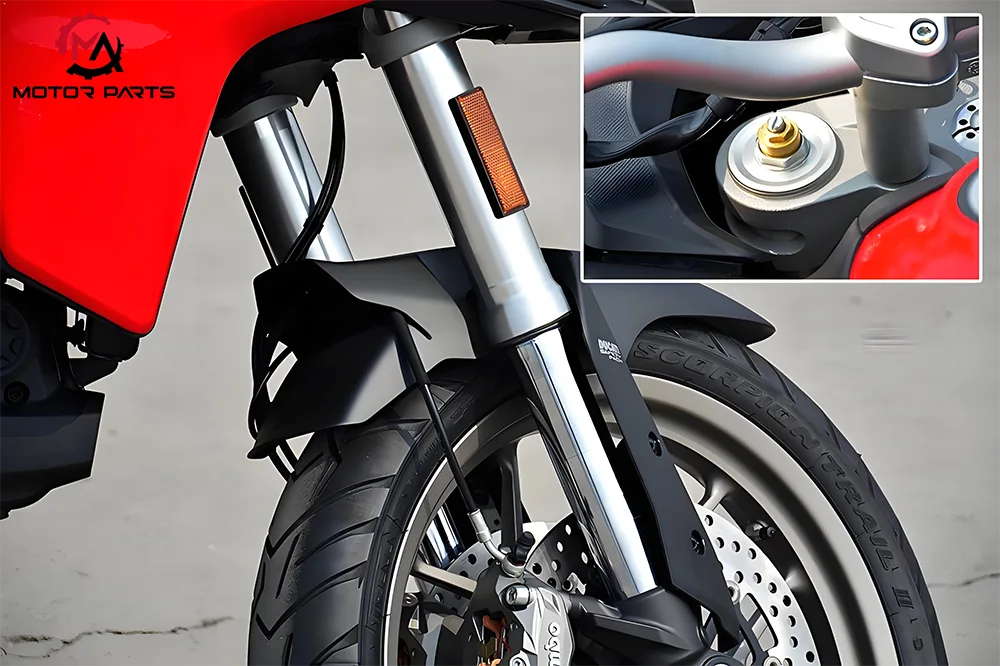
The structure of the rear shock absorber is comparatively complex, and some models are equipped with several link mechanisms to strengthen the shock absorption effect by optimizing the lever rate. At the same time, it supports parameter adjustment such as preload and damping to adapt to different road conditions and load requirements.
Motorcycle wheels and hubs: the "bridge" of power transmission
Motorcycle wheels and hubs serve as important links between the body and the road surface, transmitting driving and braking forces while supporting the overall weight of the vehicle.
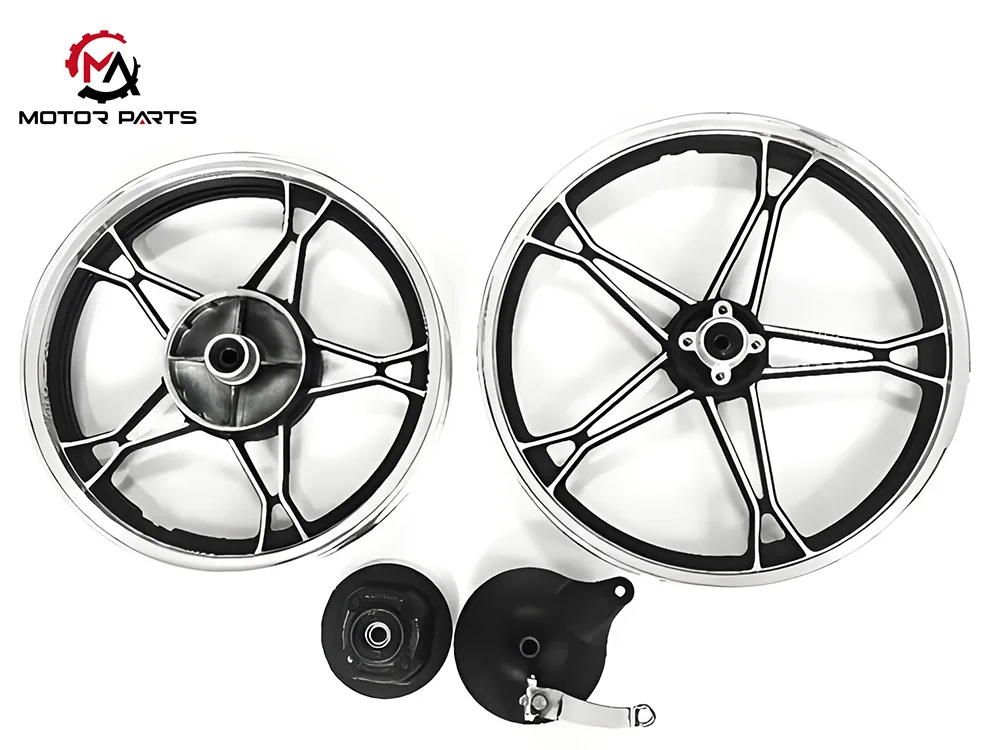
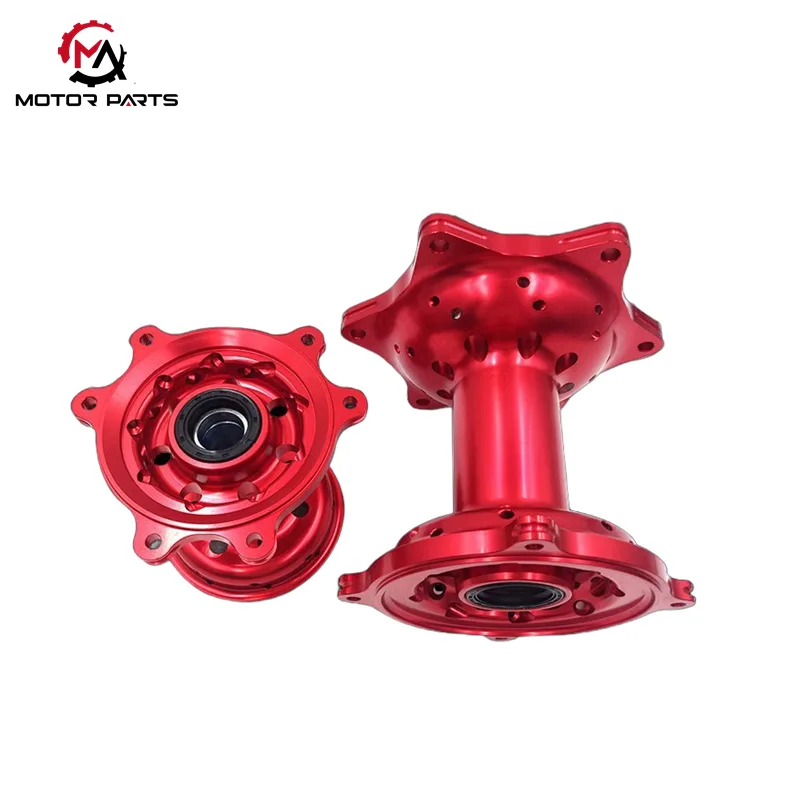
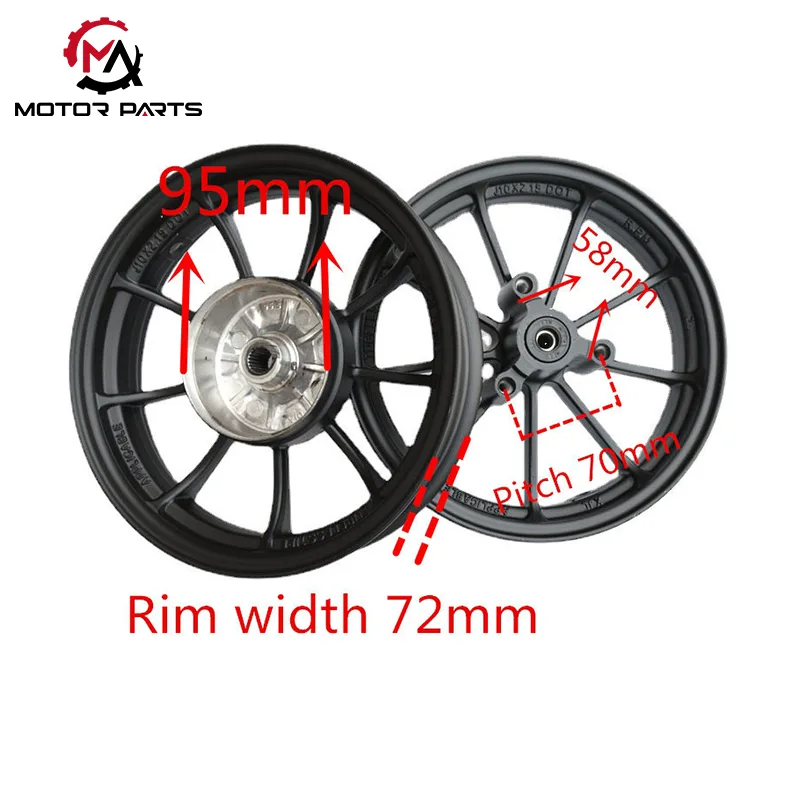
The wheel is consisted of a hub, spokes, and wheel rim, with the motorcycle hub as the main component, connected to the axle through bearings, and accountable for both power transmission and load-bearing.
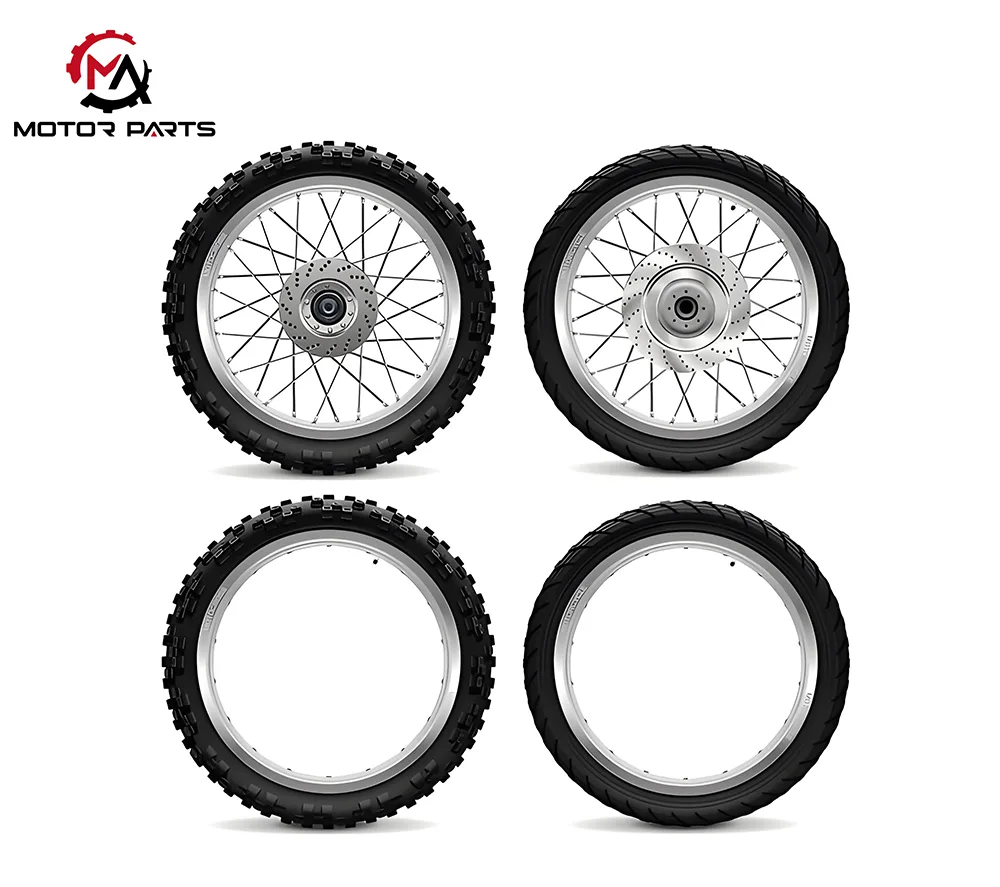
According to the spoke structure, wheels can be divided into spoke wheels and cast wheels. The spoke wheel connects the hub and wheel rim through numerous spokes, possessing excellent elasticity and cushioning performance, and can easily cope with complex road conditions. It is commonly seen in off-road vehicles and retro models; The casting wheels adopt an integrated molding process, with a sturdy structure, lightweight weight, and good rigidity, occupying the mainstream in street cars, sports cars and other models, providing strong support for vehicle handling and driving stability.
Motorcycle tires: the cornerstone of contact with the road surface
As the only contact component between the motorcycle and the road surface, the performance of motorcycle tires impact on grip, braking, comfort, and wear resistance. A tire is consist of a tread, sidewall, carcass, and beads, with the tread pattern design playing a decisive role in grip. Highway tires are designed with fine patterns to adapt to flat road surfaces, ensuring strong grip; Off road tires, with their thick and deep patterns, provide reliable traction on complex terrains such as mud and gravel.
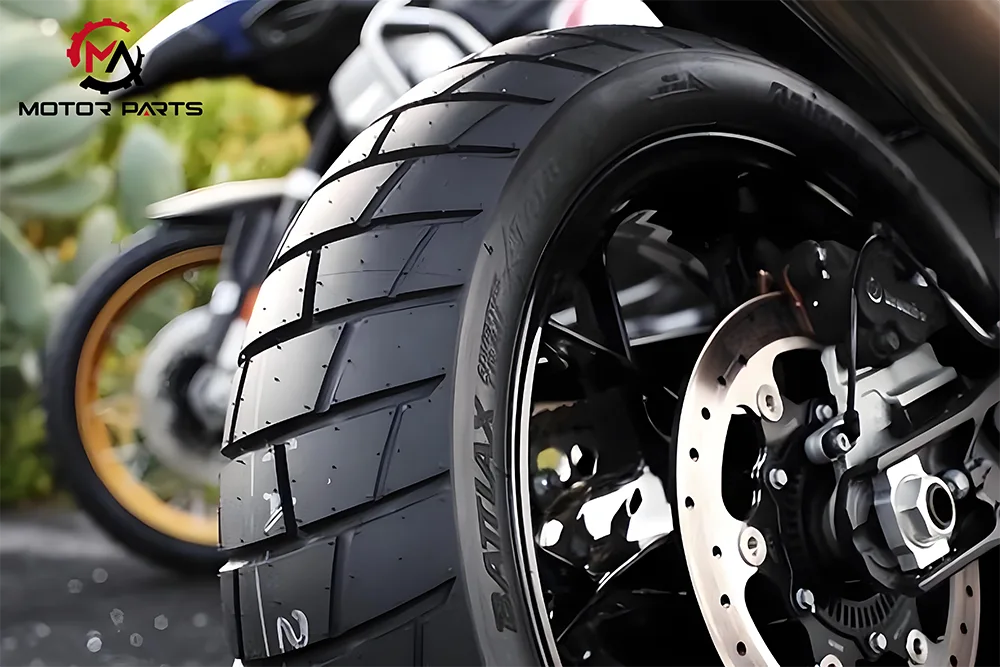
In addition, tire size specifications need to be correctly matched with motorcycle performance, as inappropriate size can interfere with handling and power transmission. At the same time, tire pressure management is crucial, as appropriate air pressure can ensure optimal contact between the tires and the road surface, boosting driving safety and comfort; Abnormal air pressure can accelerate tire wear and even cause serious safety hazards like tire blowouts.
|
Tire Type
|
Design Purpose
|
Tread Pattern Characteristics
|
Applicable Scenarios
|
Typical Representatives
|
|
Road Tires
|
Designed for driving on dry and wet road surfaces
|
Smooth tread with few and shallow patterns
|
Daily commuting, long - distance travel, urban roads and highway driving
|
Michelin Pilot Road series
|
|
Off - Road Tires
|
For dealing with complex unpaved road conditions
|
Deep and wide tread patterns
|
Mountainous areas, muddy, swampy, sandy and other off - road terrains
|
BFGoodrich KM3 tires
|
|
Dual - Purpose Tires (Multi - Purpose Tires)
|
Balance between road and light off - road conditions
|
Tread patterns deeper than road tires but shallower than off - road tires
|
Occasionally leaving the road to explore light unpaved roads
|
Pirelli Scorpion Rally STR tires
|
|
Racing Tires
|
For motorcycle racing, pursuing high performance
|
Extreme grip and fast heat - up ability
|
Professional racing competitions
|
Dunlop GP Racer series tires
|
|
Slick Tires
|
Designed specifically for dry track environments
|
Almost no tread on the tire surface
|
Dry race tracks
|
Mostly used in professional events, such as specific tracks in MotoGP and other competitions
|
|
Wet Tires
|
Used in motorcycle racing when it is rainy or the ground is wet (F1 has full wet tires and intermediate wet tires)
|
Full wet tires have seven circular longitudinal grooves and diagonal arc - shaped grooves; intermediate wet tires have tread patterns designed for water drainage
|
Rainy or slippery tracks in F1 and other racing competitions
|
Wet tire products provided by various tire suppliers in F1 events
|
Although the various accessories of the motorcycle riding parts have different functions, they are interdependent and work together to guarantee the stable operation and performance of the vehicle. Regular and meticulous inspection and maintenance of the riding parts in daily use are key to extending the lifespan of accessories and ensuring safe and comfortable riding.