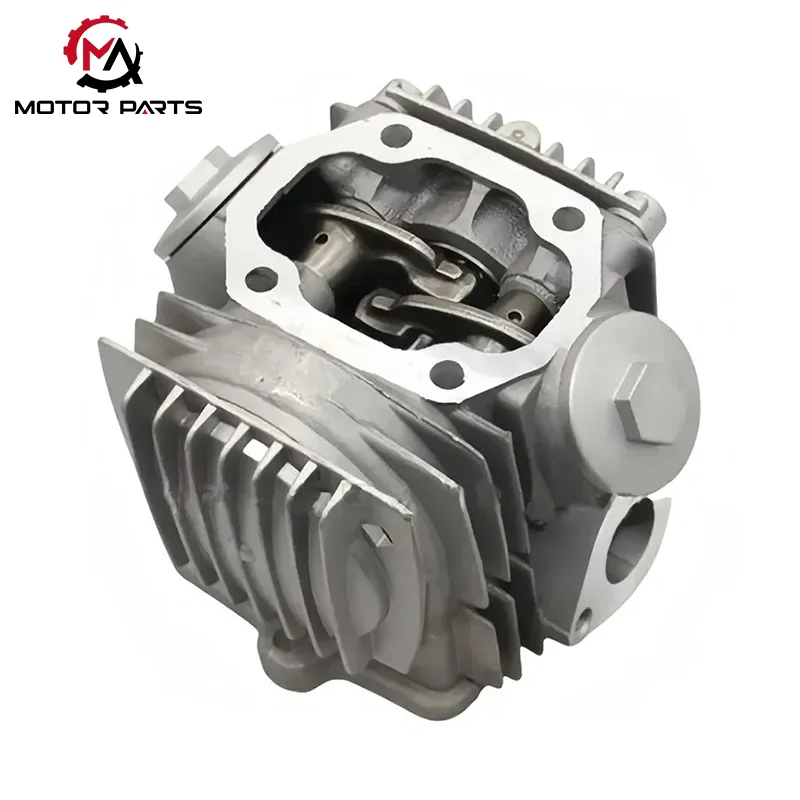
The lubrication and cooling system of motorcycle engines is like the circulatory system and immune system of the human body, jointly maintaining the stable operation of the power core. Max Trading supporting supply motorcycle lubricants and engine radiators to enhance customers' riding and usage experience.
When the engine is working, the temperature inside the burning chamber can reach over 2500 ℃, and there is continuous friction between moving parts. Without active control, it can cause overheating, deformation, increased wear, and even the entire machine being scrapped. The motorcycle cooling system controls the engine temperature range (80-110 ℃) through heat exchange, while the lubrication system forms a dynamic oil film (with a thickness of about 0.001-0.003mm) on the metal friction surface. The combination of the two can extend the engine life by 30% -50%.
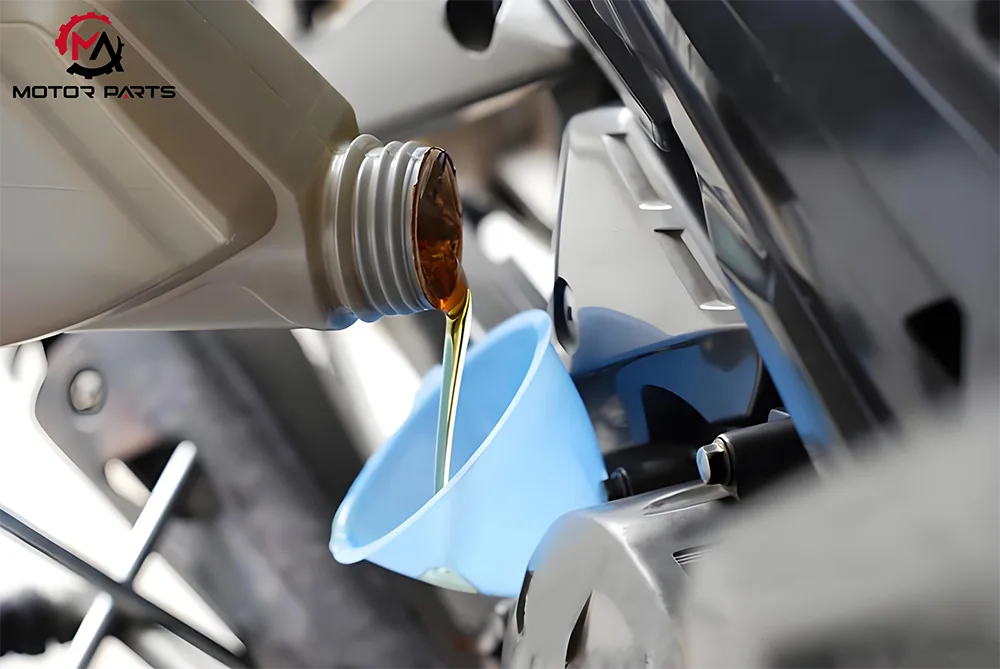
The following is an analysis of the core components of the motorcycle lubrication and cooling system:
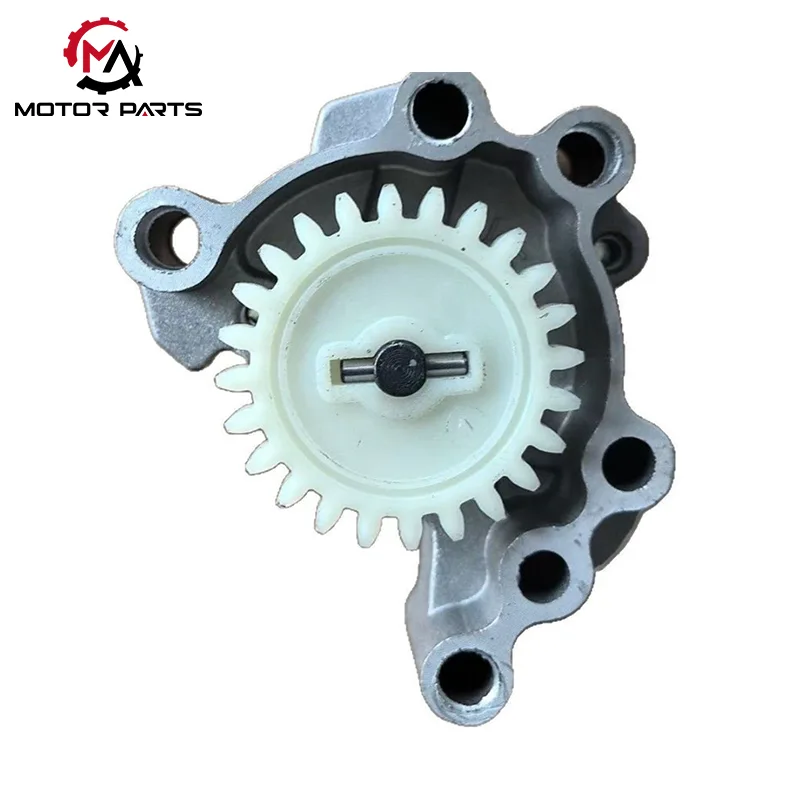
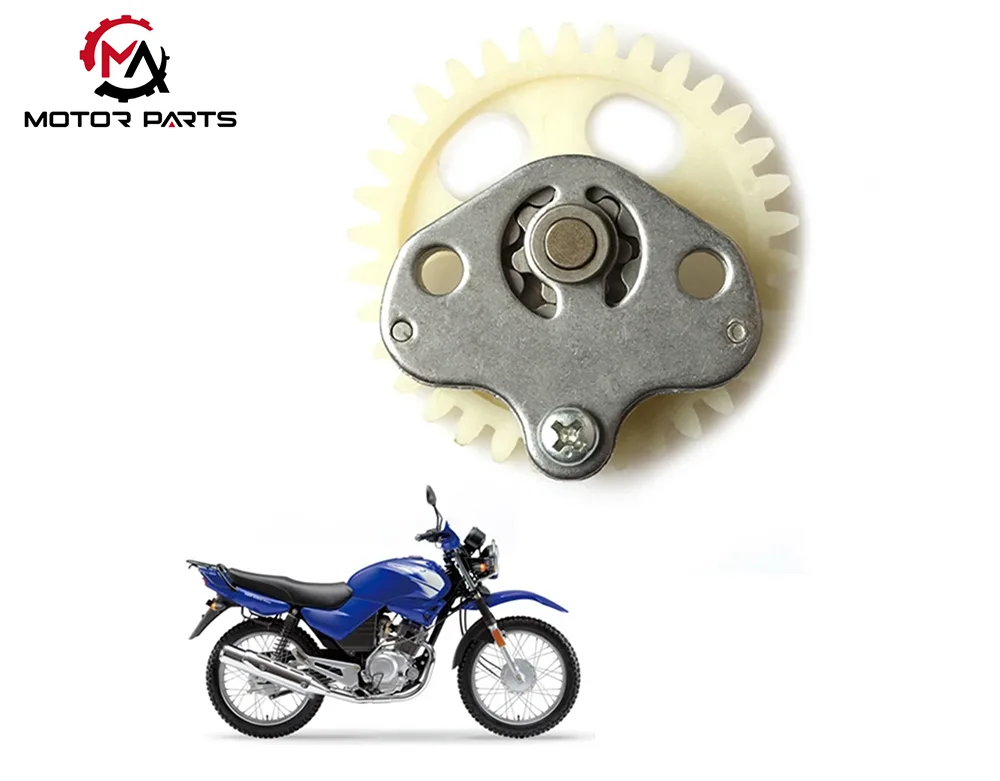
In the motorcycle lubrication system, the oil pump, as the core power unit of the motorcycle lubrication system, shoulders the responsibility of establishing stable oil pressure and driving oil circulation, providing continuous lubrication guarantee for all moving parts of the engine. The performance directly affects the efficiency of the lubrication system, and the exquisite structural design and precise pressure control are the key to the long-term protection of the motorcycle engine.
From the perspective of structural types, motorcycle oil pumps are mainly divided into two categories: gear pumps and rotary pumps
Motorcycle gear pump: It is composed of a driving gear and a driven gear, and through precise meshing between the gears, it uses volume changes to achieve oil suction and pressure action (oil pressure range is usually 0.15~0.9 MPa). This type of pump body is known for its stable pressure and simple structure, and is widely used in small and medium displacement vehicle models.
Motorcycle Rotary pump: consisting of an inner rotor (4 convex teeth) and an outer rotor (5 concave teeth), it completes the pumping process through the volume change generated by eccentric rotation. Compared to gear pumps, rotary pumps not only have more uniform flow output, but also lower operating noise, making them often installed in high displacement and high-performance vehicle models.
Regardless of the type, the oil pump can establish a stable oil pressure of 200-400kPa during engine operation, correctly meeting the lubrication needs of various parts of the engine.
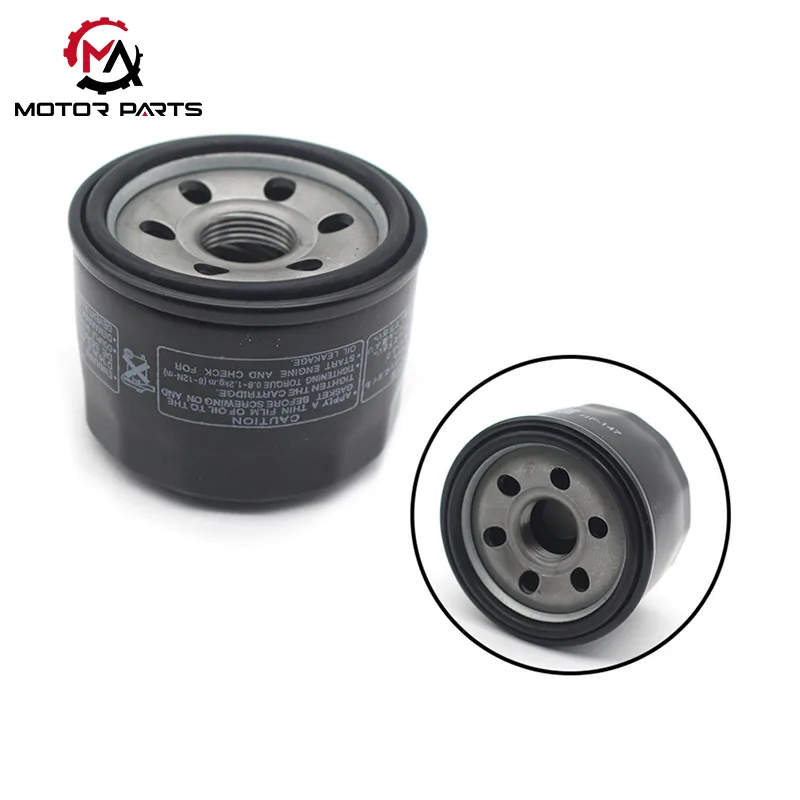
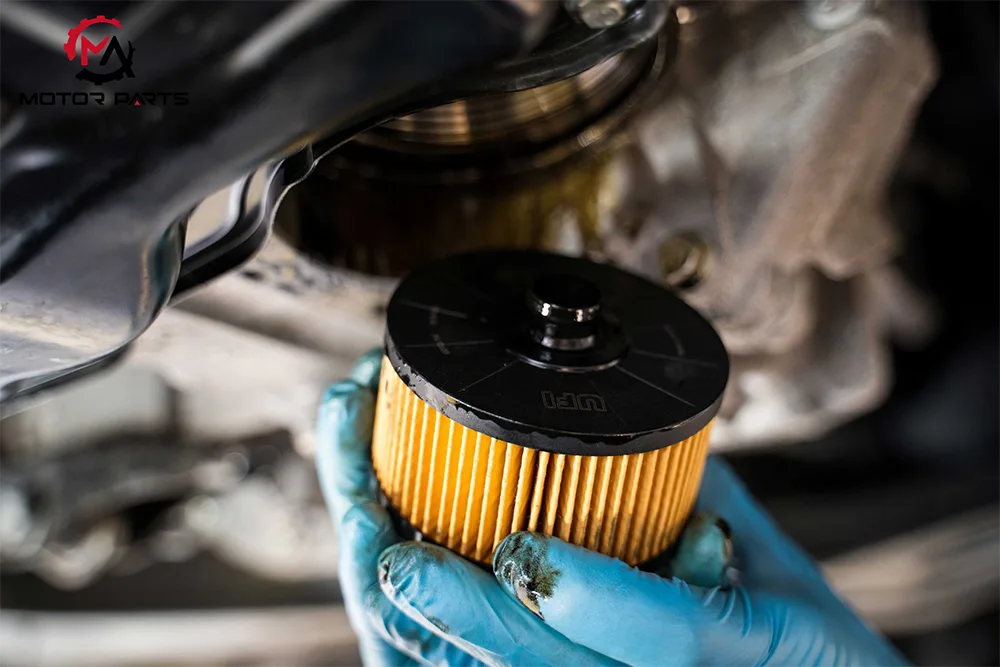
As the "heart guard" of the lubrication system, the oil filter continuously purifies the engine oil through precision filtration technology. Motorcycle oil filters often adopt a full flow filtration structure, which is connected to the main oil passage in series to reach full purify of circulating oil. It consist of three core modules: filter paper filter element, bypass valve, and check valve. The filter paper filter element is made of multi-layer composite fiber material, and the filtration accuracy is controlled within 20 microns with nanoscale technology. It can effectively intercept more than 95% of harmful particles like metal debris and gum deposits, while keeping efficient oil circulation performance. During high-speed engine operation, pollutants such as carbon particles, metal wear debris, and oxidized sludge generated by combustion will continue to mix into the engine oil. If not filtered in a timely manner, these impurities will aggravate the abnormal wear of precision components such as piston rings and crankshaft bearings like sandpaper, seriously shortening the service life of the engine.
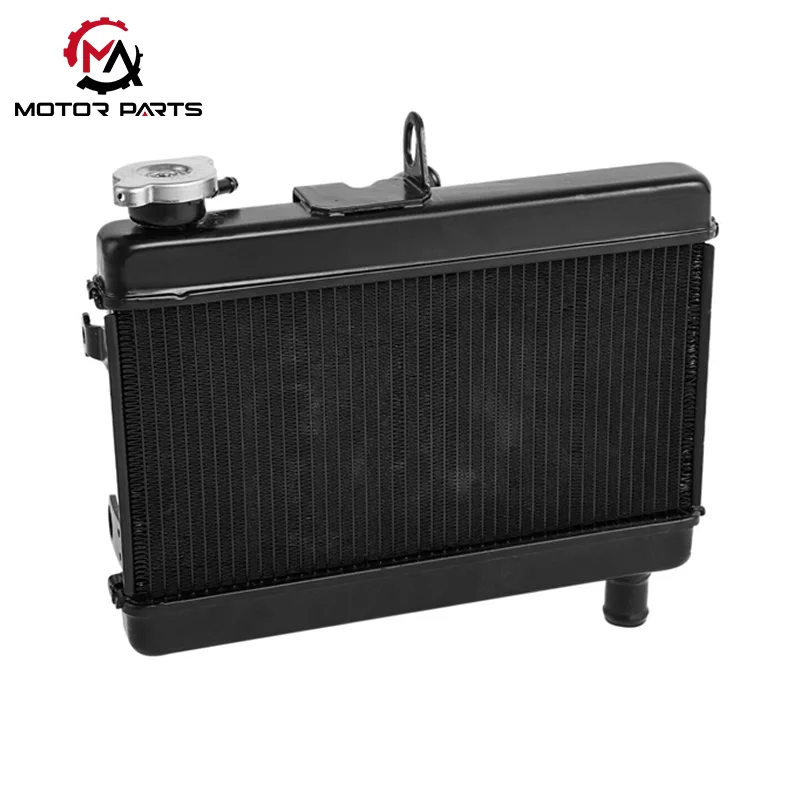
As the core heat dissipation unit of the motorcycle cooling system, the radiator is like an efficient "heat exchange hub". With its precise heat dissipation structure and efficient heat conduction mechanism, it quickly transfers the excess heat generated by the engine operation to the air, guaranteing that the power system is always in the ideal operating temperature range.
Motorcycle radiators often use aluminum honeycomb structures, consisting of an inlet chamber, an outlet chamber, and a heat dissipation core.
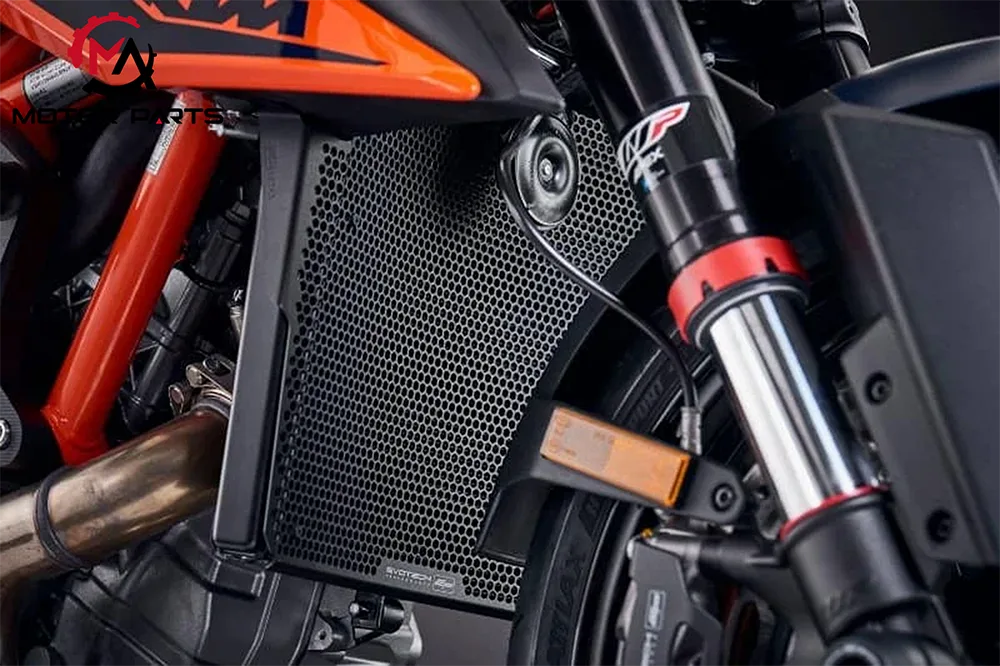
Among them, on high-performance motorcycles, the radiator often adopts a finer fin layout, and its heat dissipation area can reach more than 1.5 times that of ordinary models. This ingenious design significantly expands the heat dissipation area and significantly improves the heat exchange efficiency. During operation, the coolant flows into the heat dissipation pipe from the inlet chamber and conducts heat to the fins through the pipe wall. The natural airflow generated by the vehicle's movement or the forced airflow of the fan passes over the fins, quickly taking away heat. The cooled coolant then flows back to the engine through the outlet chamber. In addition, some models are equipped with electric cooling fans. When the engine temperature rises or the airflow is deficiency due to low-speed driving, the fan will automatically start and intervene to enhance the heat dissipation effect, ensuring that the engine can maintain stable heat dissipation efficiency under different working conditions.
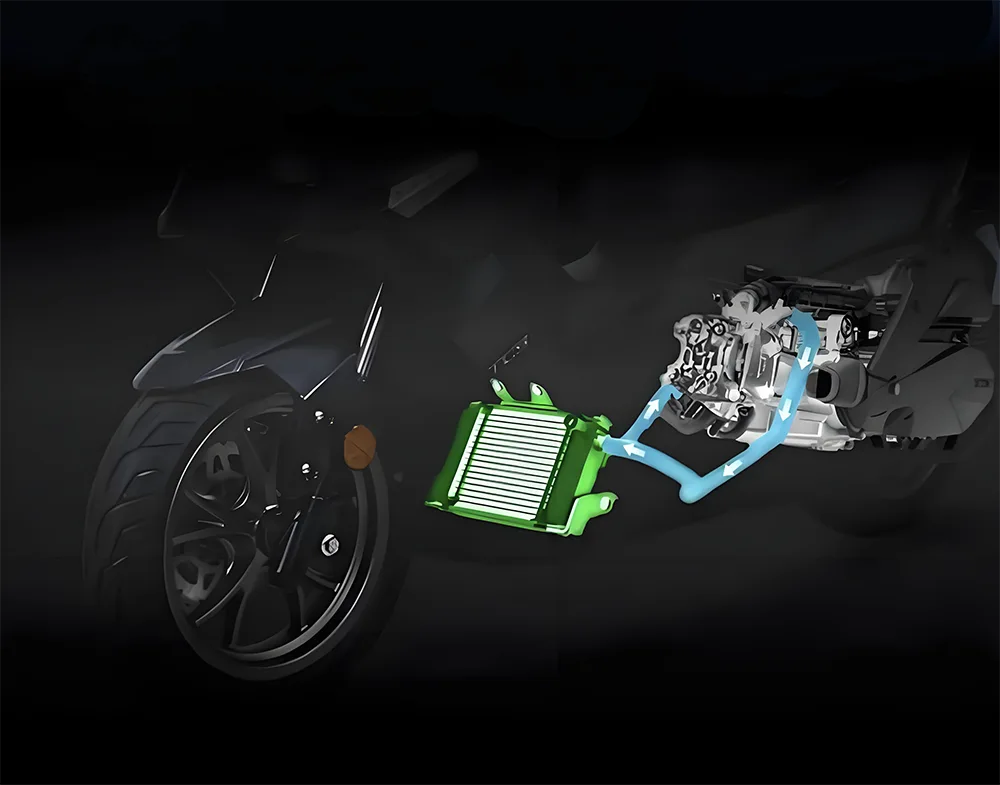
Three component collaborative working cycle process:
motorcycle oil pan → motorcycle collection filter → motorcycle oil pump → motorcycle oil filter → motorcycle main oil passage → motorcycle engine friction surface → motorcycle oil radiator → return to motorcycle oil pan
Although the motorcycle cooling system and lubrication system each have their own responsibilities, they act as seamless partners in safeguarding the healthy operation of the engine, forming a powerful synergistic protective effect. Under high temperature conditions, the rate of oil oxidation and deterioration will significantly accelerate, and the motorcycle cooling system can rightly regulate the temperature to create a stable working environment for the oil, effectively extending its service life. At the same time, the lubrication system, with its efficient anti friction properties, significantly reduces the heat generated by friction, indirectly alleviating the heat dissipation pressure of the cooling system. According to actual test data, the collaborative operation of the two systems can reduce the engine failure rate by more than 60%, becoming the core guarantee for extending the engine service life.
Maintenance suggestions from Max Trading
Regular maintenance of the motorcycle cooling system and lubrication system is the core to ensure stable motorcycle performance. In terms of motorcycle cooling system, it is necessary to regularly check the coolant level and carefully inspect the pipeline sealing. It is suggest to replace the coolant once a year to maintain efficient heat dissipation; The motorcycle lubrication system should strictly follow the maintenance cycle, replace the oil and filter in a timely manner, and avoid significant losses caused by omission. When these two systems are properly maintained, the service life of motorcycle engines is expected to easily exceed 100000 kilometers, providing users with strong and stable power output.