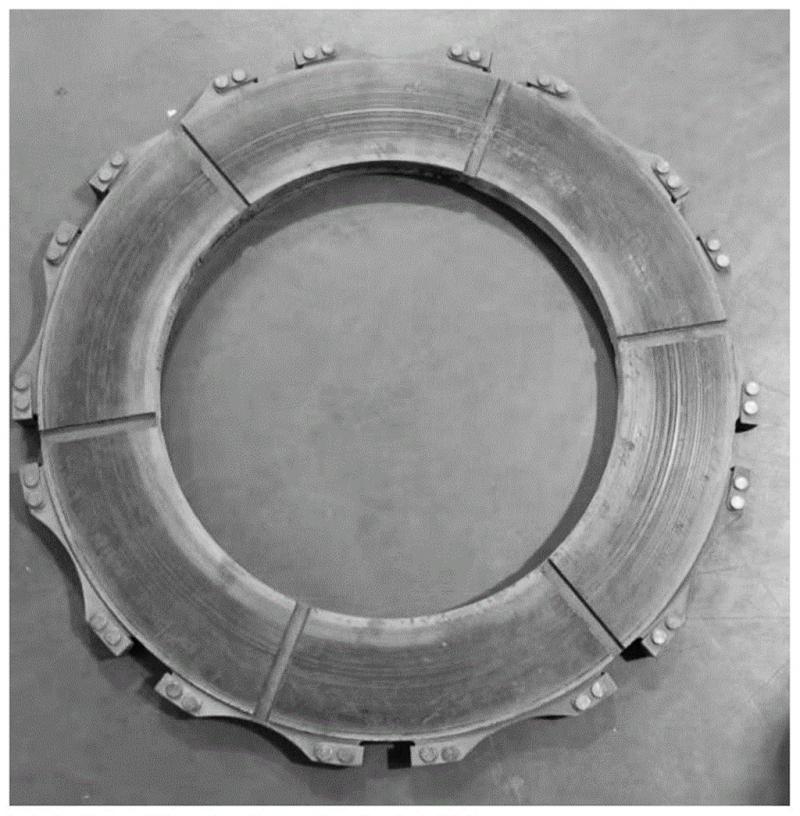
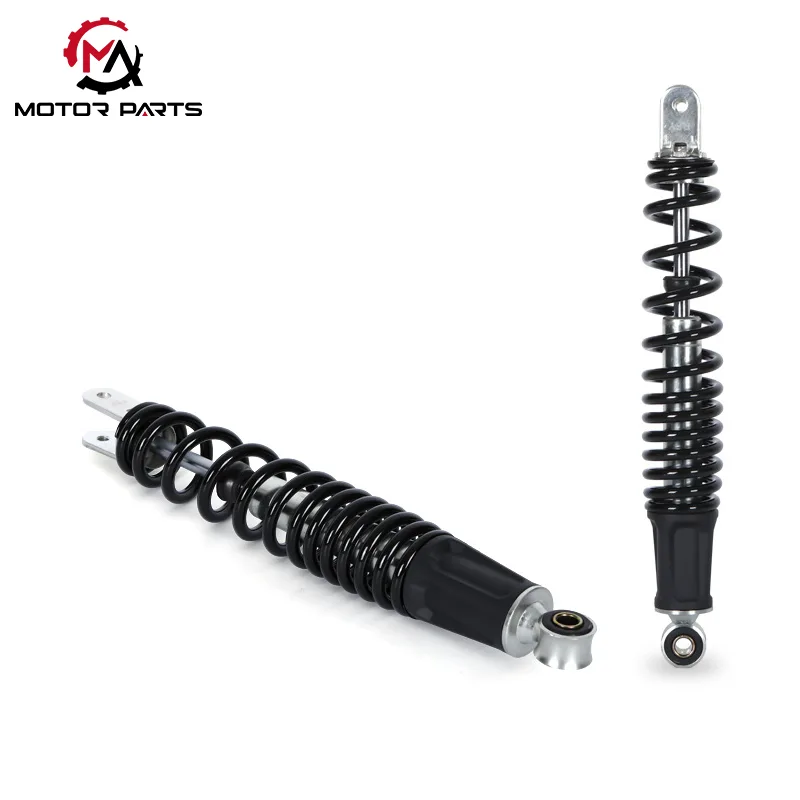
Motorcycle seals are essential components designed to prevent fluid leakage, including engine oil, fuel, and coolant, while also blocking external contaminants such as dust, moisture, and sediment from infiltrating the internal parts of motorcycles. They are of great significance in ensuring the normal operation of motorcycles and extending the service life of components. Max Trading is well aware that the sealing performance of motorcycle seals directly affects the power performance, fuel economy, and reliability of motorcycles, so we strictly control the quality of our products when they leave the factory. Because once the seal fails, it may cause problems such as oil leakage, increased fuel consumption, engine overheating, increased component wear, and even serious malfunctions.
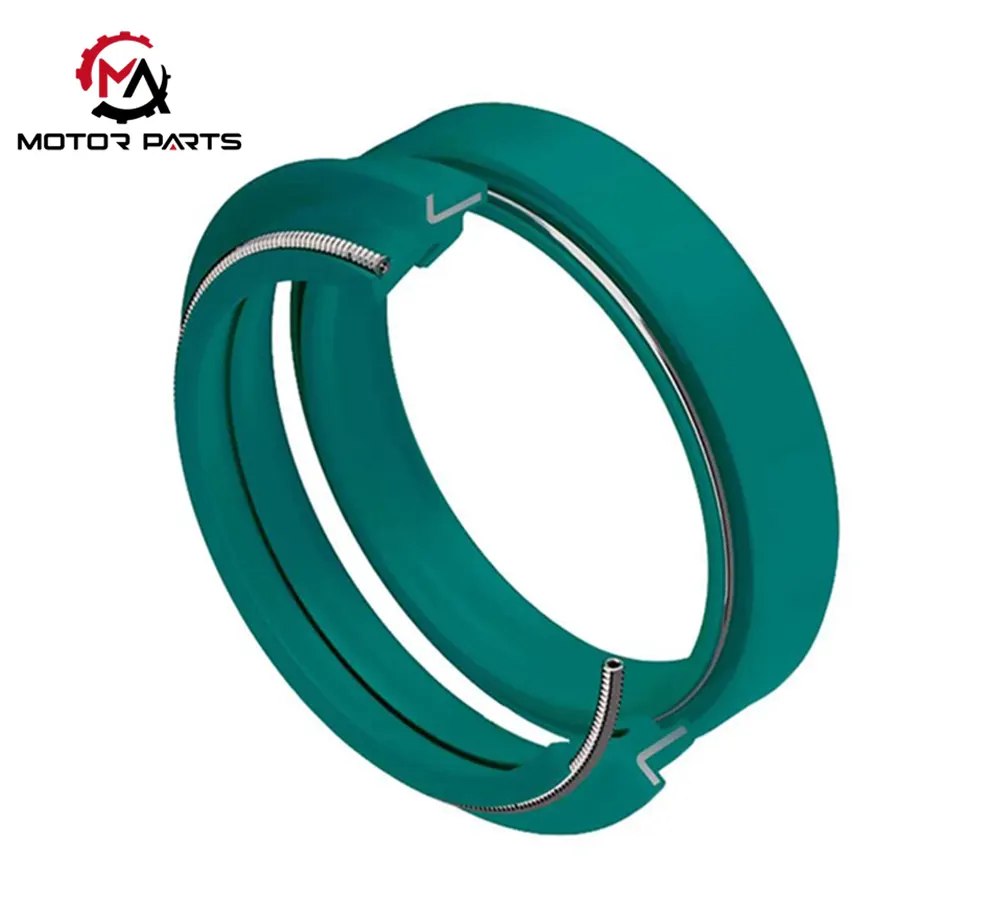
Classification of motorcycle seals
On the basis of the differences in installation location and sealing function, Max Trading's motorcycle seals can be mainly separated into the following categories:
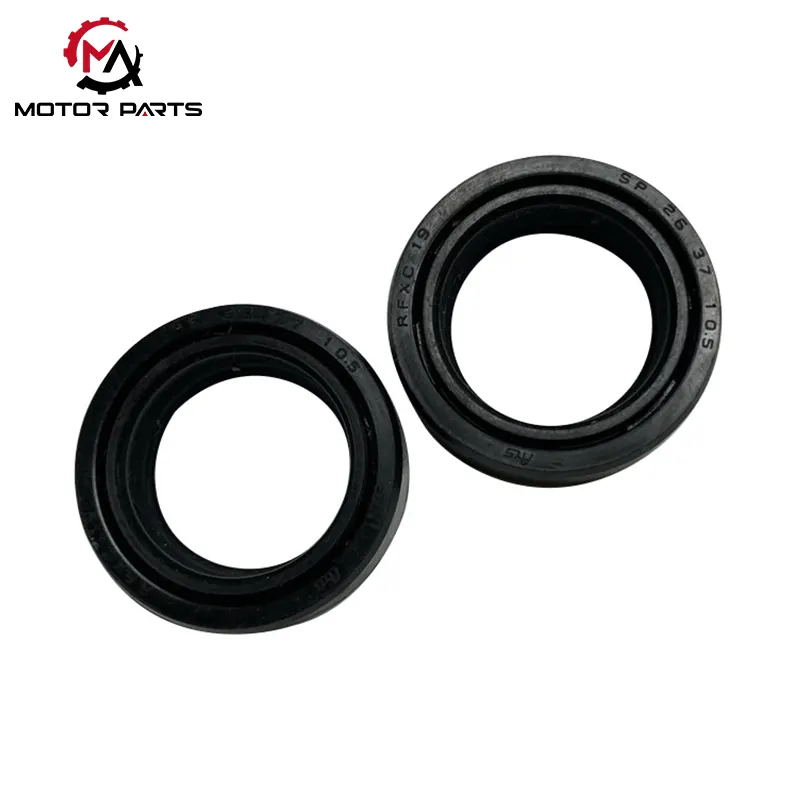
Motorcycle oil seal: As a "protective guard" between the rotating shaft and fixed components, the oil seal has a dual function of preventing lubricating oil leakage and preventing external impurities from entering, safeguarding the normal operation of bearings and rotating components. Common oil seals include crankshaft front oil seal, crankshaft rear oil seal, camshaft oil seal, transmission oil seal, etc. Among them, the crankshaft front oil seal is located at the front end of the engine crankshaft, constructing a defense line to prevent oil leakage from the gap between the crankshaft and the timing cover; The crankshaft rear oil seal is installed at the rear end of the crankshaft, tightly sealing the gap between the crankshaft and the flywheel housing to prevent oil from entering the clutch or gearbox; The camshaft oil seal seals the gap between the camshaft and the cylinder head to prevent oil from overflowing outside the valve cover; The transmission oil seal is "stationed" at key parts such as the input shaft and output shaft of the transmission to prevent the loss of transmission oil.
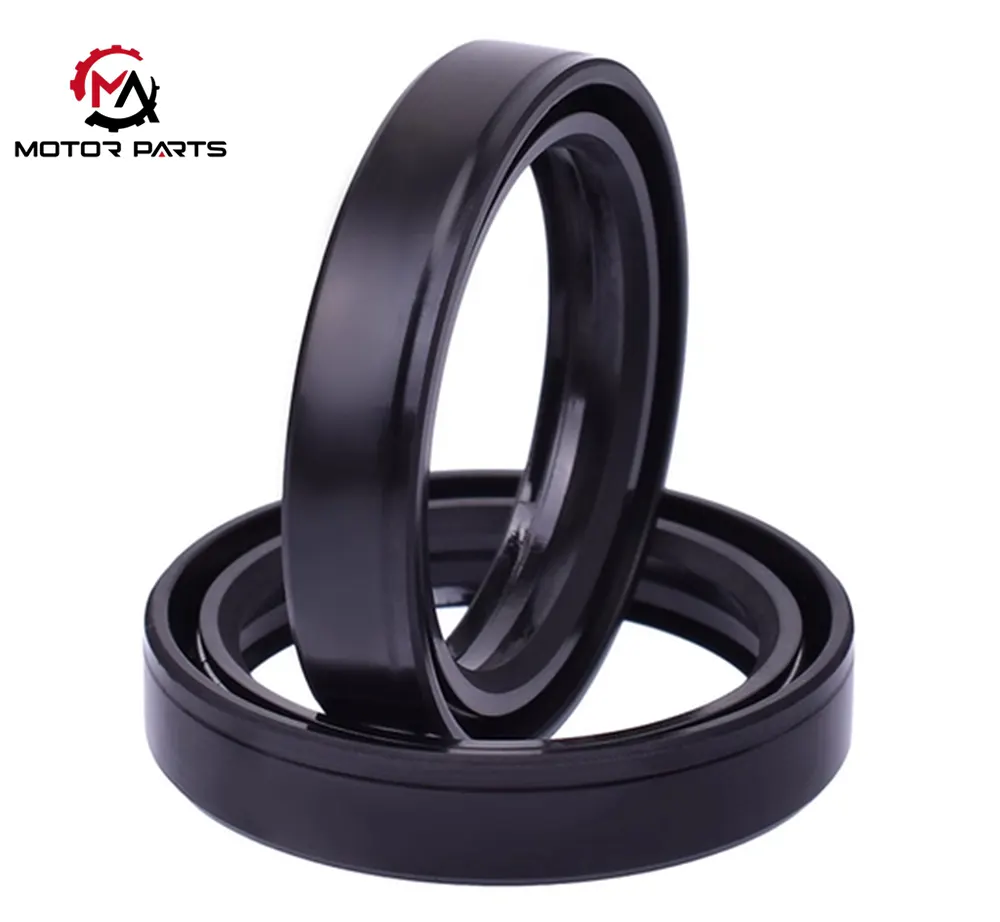
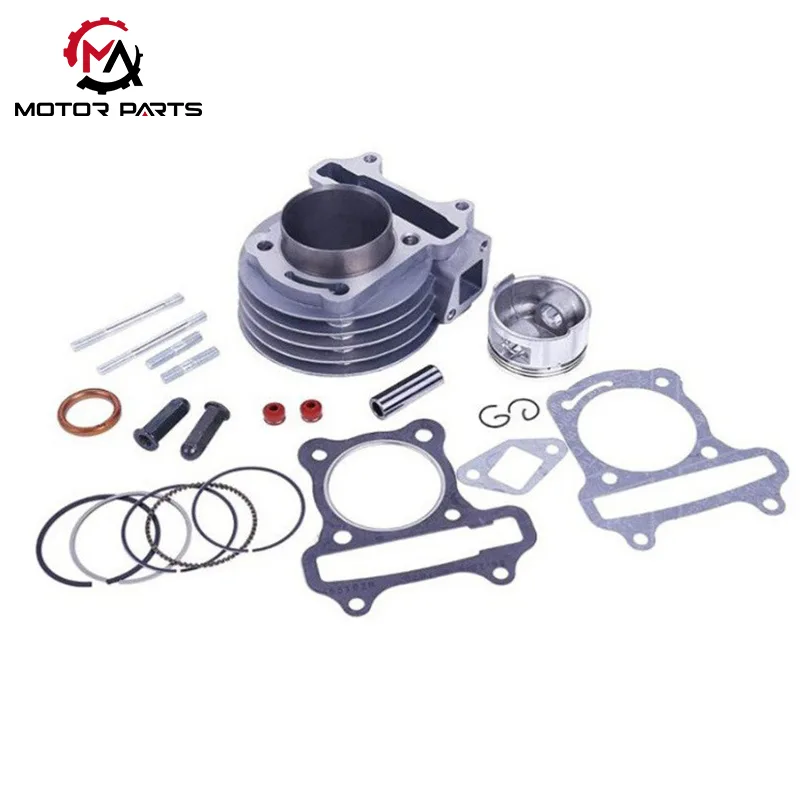
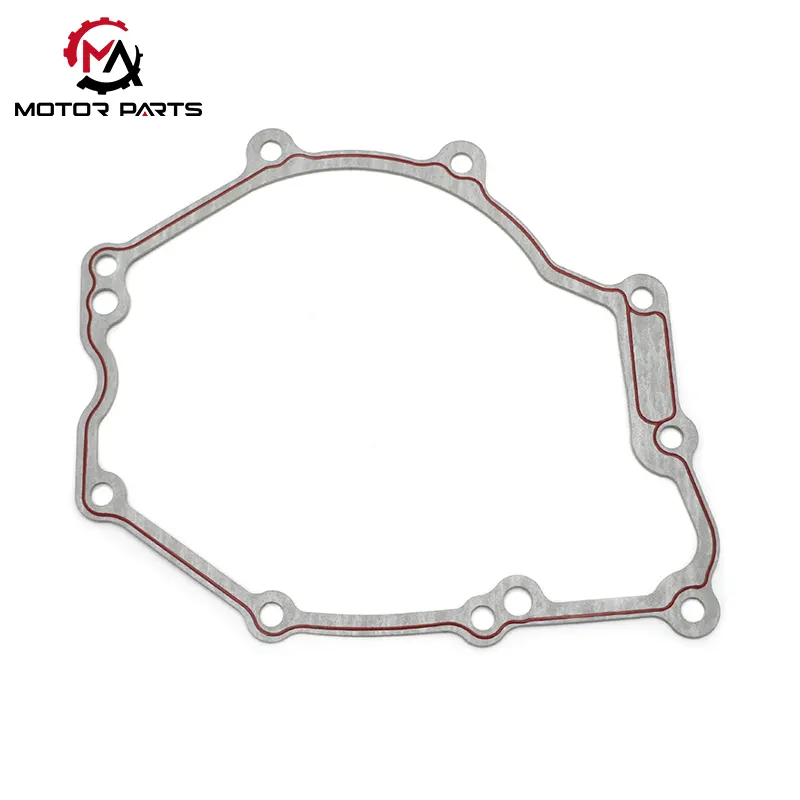
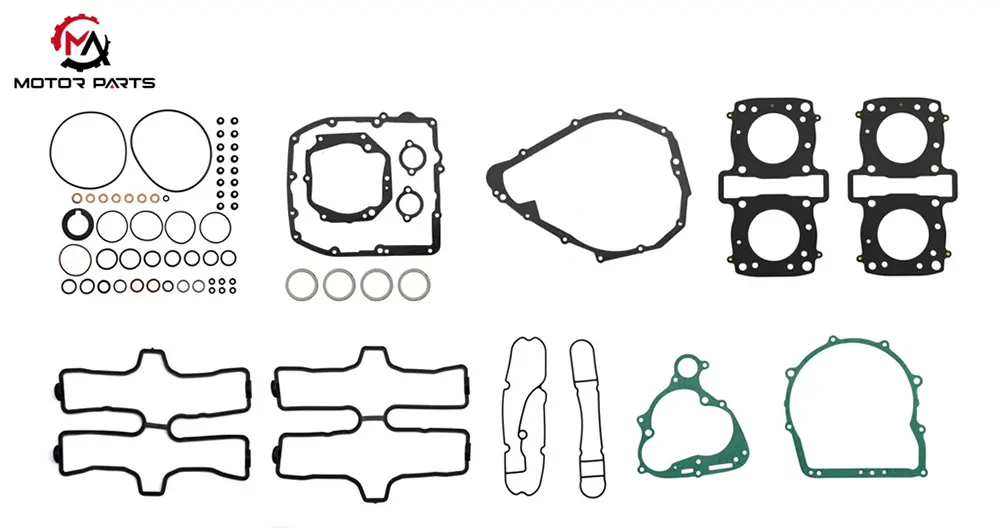
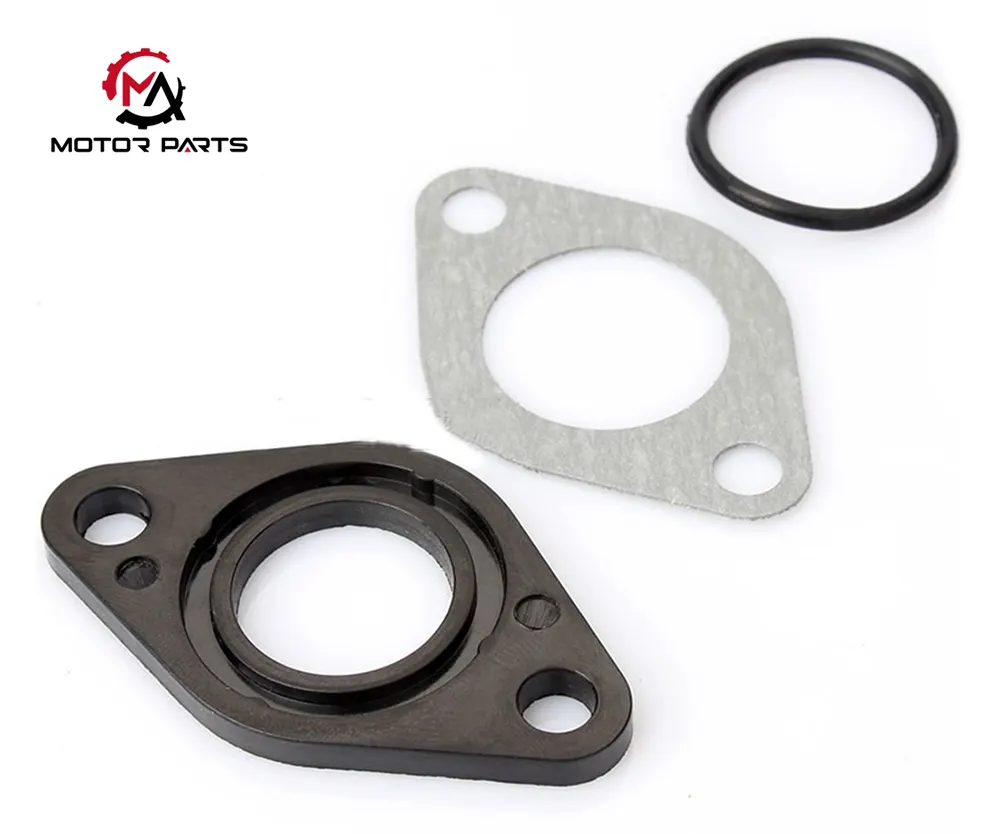
Motorcycle gasket: As a sealing medium between two fixed components, the gasket effectively prevents fluid leakage by filling the subtle gaps on the joint surface. Divided by usage location, it includes various types such as cylinder gasket, oil pan gasket, valve cover gasket, etc. As the core sealing component of the engine, the cylinder gasket is installed between the cylinder head and cylinder block, and needs to bear high temperature, high pressure, and gas corrosion. Its sealing performance directly affects the compression ratio and power output of the engine; The oil pan gasket is responsible for sealing the gap between the oil pan and the cylinder block, guaranteeing that the oil does not leak out; The valve cover gasket is installed between the valve cover and the cylinder head to prevent oil leakage to the outside of the engine; The intake and exhaust manifold pads are installed between the intake manifold, exhaust manifold, and cylinder head to prevent air, fuel mixture, or exhaust leakage.
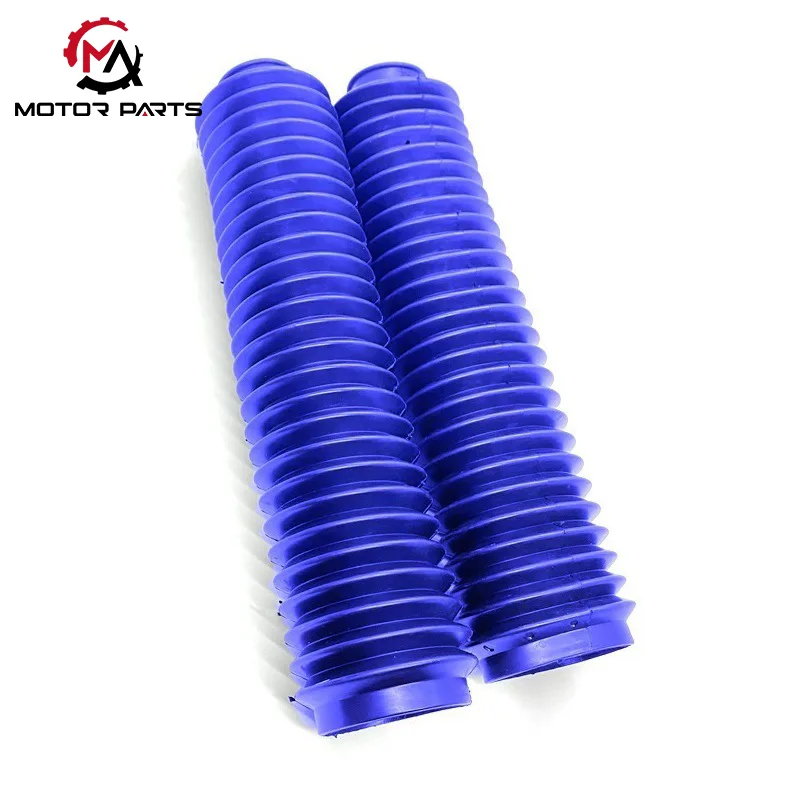
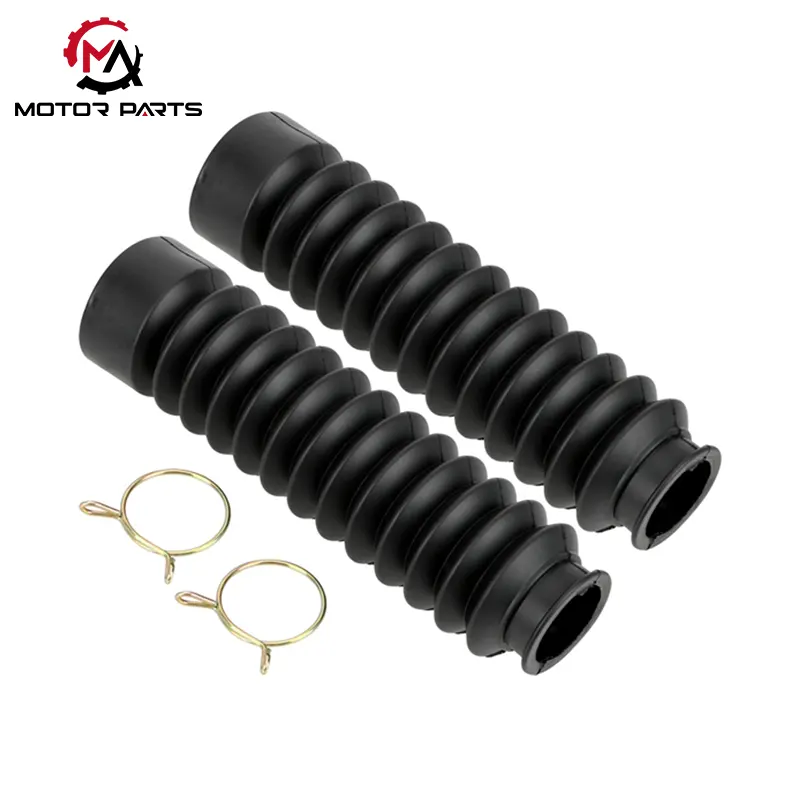
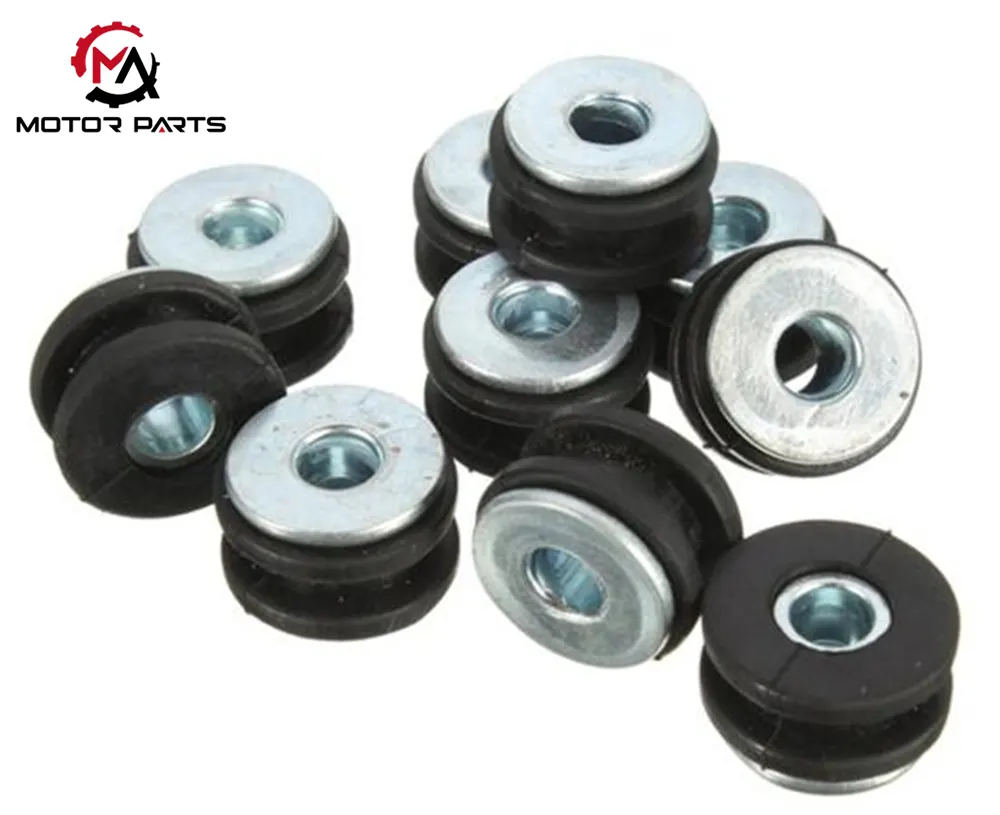
Motorcycle dust seals: focus on isolating impurities such as dust, sediment, and moisture, providing protection for moving parts such as motorcycle shock absorbers, guide sleeves, bearings, etc., and extending the service life of components. Common dust seals such as dust covers and dust rings play a important role. For example, the shock absorber dust cover is installed between the shock absorber piston rod and the shock absorber cylinder to prevent dust and sand from wearing the piston rod and seal, ensuring the sealing and shock absorption performance of the shock absorber; The dust ring of the guide sleeve is installed at the end of the guide sleeve to protect the precise fit between the guide sleeve and the piston rod from impurities.
Material of motorcycle seals
The material selection of motorcycle seals should be strictly determined based on the usage environment (including factors such as temperature, pressure, medium type, etc.) and sealing requirements. Common materials mainly contain the following:
Nitrile rubber (NBR)
Nitrile rubber has become a widely used basic material in the field of motorcycle seals due to its great oil resistance, wear resistance, and elasticity. It has good tolerance to petroleum based lubricants, fuels, and other media, and is often used to make sealing components like oil seals, O-rings, and gaskets, especially suitable for key parts such as engines, transmissions, and fuel systems. However, its high and low temperature resistance has limitations, and its applicable temperature range is usually from -40 ℃ to 120 ℃. It is prone to aging and hardening in high temperature environments, which in turn affects the sealing effect.
Fluororubber (FKM)
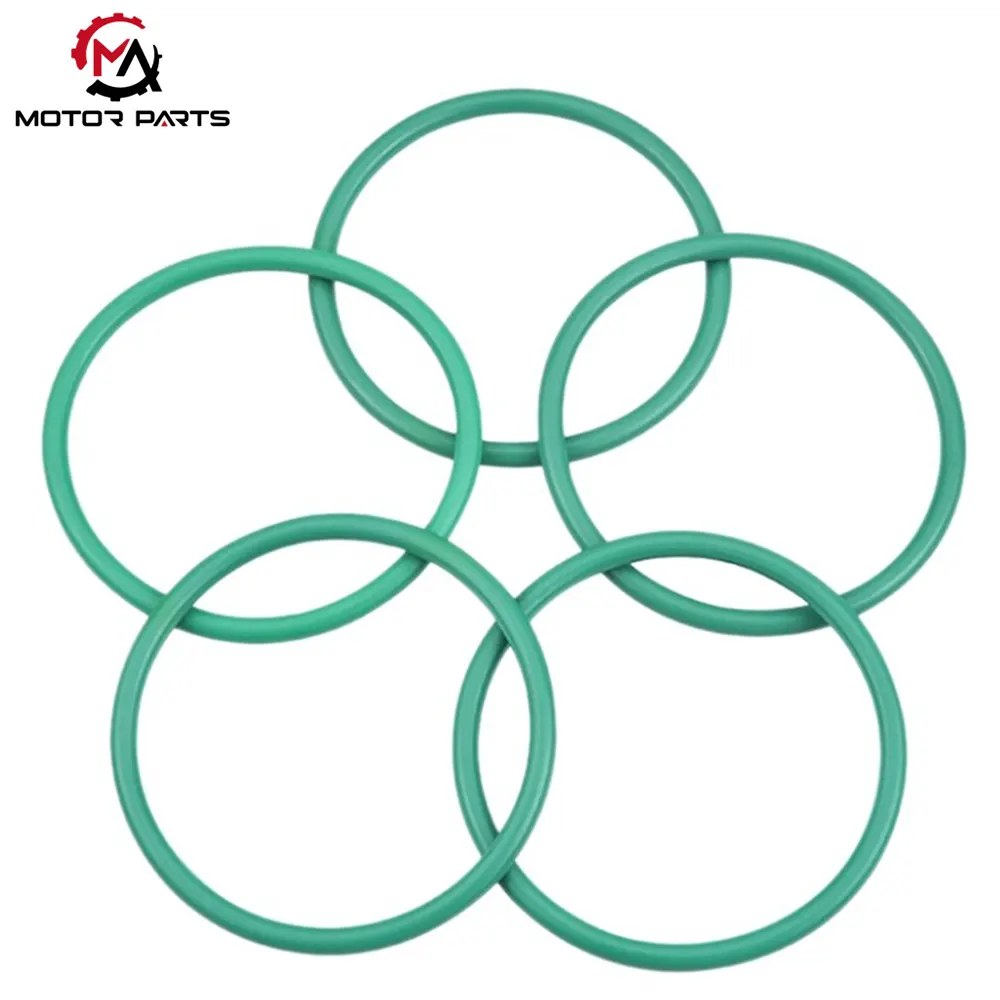
Fluororubber is a high-performance sealing material that combines excellent resistance to high and low temperatures, oil, corrosion, and aging. Its applicable temperature range is extremely wide, and it can work stably for a long time in an environment of -20 ℃ to 250 ℃. Even in the face of higher temperatures, it can maintain good sealing performance. Fluororubber can handle various lubricants, fuels, hydraulic oils, as well as corrosive media such as strong acids and alkalis with ease. It is an good choice for sealing accessories in high temperature, high pressure, and highly corrosive environments found in motorcycles, containing engine exhaust systems, turbochargers, high temperature oil pumps, and similar parts. However, its higher cost and relatively lower elasticity limit its application in low pressure scenes requiring high elasticity.
Silicone rubber (VMQ)
Silicone rubber is known for its excellent resistance to high and low temperatures, aging, and insulation properties, while also possessing good elasticity and breathability. Its temperature adaptability is extremely strong, and it can be used for a long time in environments ranging from -60 ℃ to 250 ℃ without any worries. Even in ultra-low temperature environments below -100 ℃, it can still keep a certain degree of elasticity. In addition, it has separate intoresistance to aging factors such as ozone and ultraviolet radiation, and is suitable for high-temperature, low-temperature, and insulated sealing parts of motorcycles, such as engine high-temperature gaskets, electronic component seals, radiator seals, etc. However, silicone rubber has poor oil resistance and wear resistance, and is not suitable for sealing scenarios that come into contact with oil-based lubricants, fuels, and other oily media.
Acrylic Rubber (ACM)
Acrylic rubber has good oil resistance, aging resistance, and heat resistance, and is generally suitable for temperatures ranging from -20 ℃ to 170 ℃. It has good tolerance to petroleum based lubricants and hydraulic oils, as well as certain resistance to ozone and ultraviolet aging. It is usually used to make seals such as oil seals and O-rings for motorcycle engines, transmissions, hydraulic systems, and other parts. However, its low-temperature elasticity is poor, and it is easily to hardening and brittleness in low-temperature environments, which affects its sealing function.
Asbestos (gradually phased out)
In the early development of motorcycles, asbestos was often used to make seals like cylinder gaskets due to its excellent high temperature resistance, high pressure resistance, and sealing performance. However, due to the great harm of asbestos fiber to human health, long-term exposure may cause serious respiratory diseases such as asbestosis and lung cancer. Currently, it has gradually been replaced by non asbestos materials such as metal asbestos pads and composite fiber pads.Its sealing performance not only directly determines the power transmission efficiency and operational stability of the vehicle, but is also closely related to driving safety and usage costs. Max Trading suggests that during daily maintenance of motorcycles, the aging and damage of seals can be accurately determined by observing whether there are oil stains or water leakage on the surface of the components, and timely replacement of failed seals can ensure that the vehicle always maintains optimal working conditions.