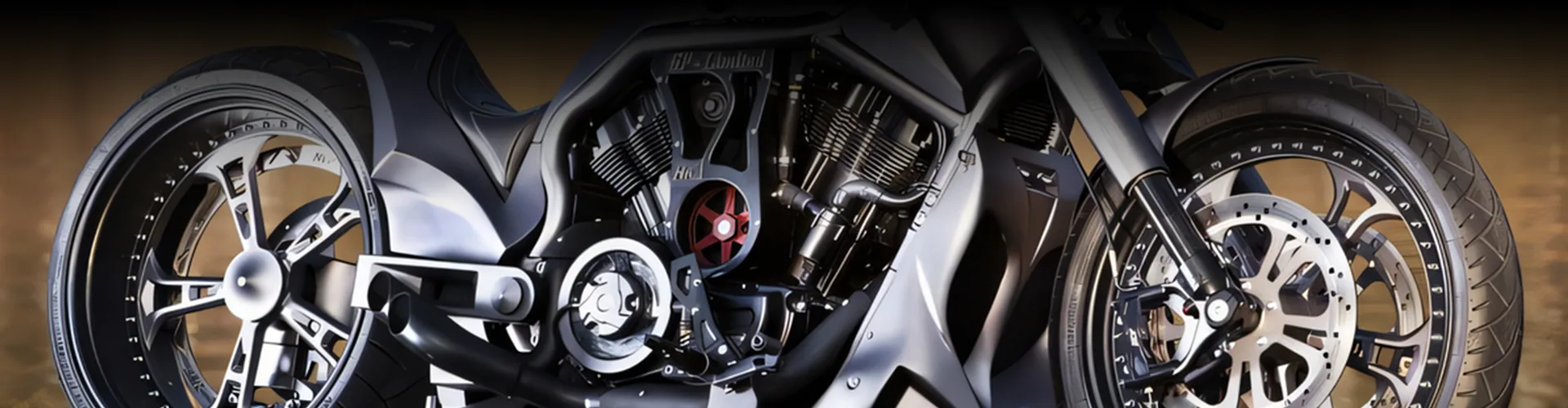
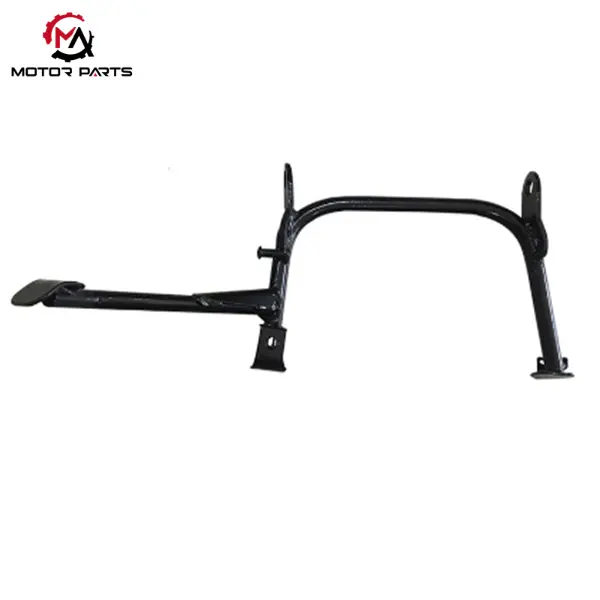
Motorcycle Engine Body Accessories mainly introduces the appearance of motorcycle engines. It is the "skeleton" of the motorcycle power core, consisting of components such as the cylinder block, cylinder head, and body shell. These components not only determine the basic form of the engine, but also directly affect the power output and operational stability.
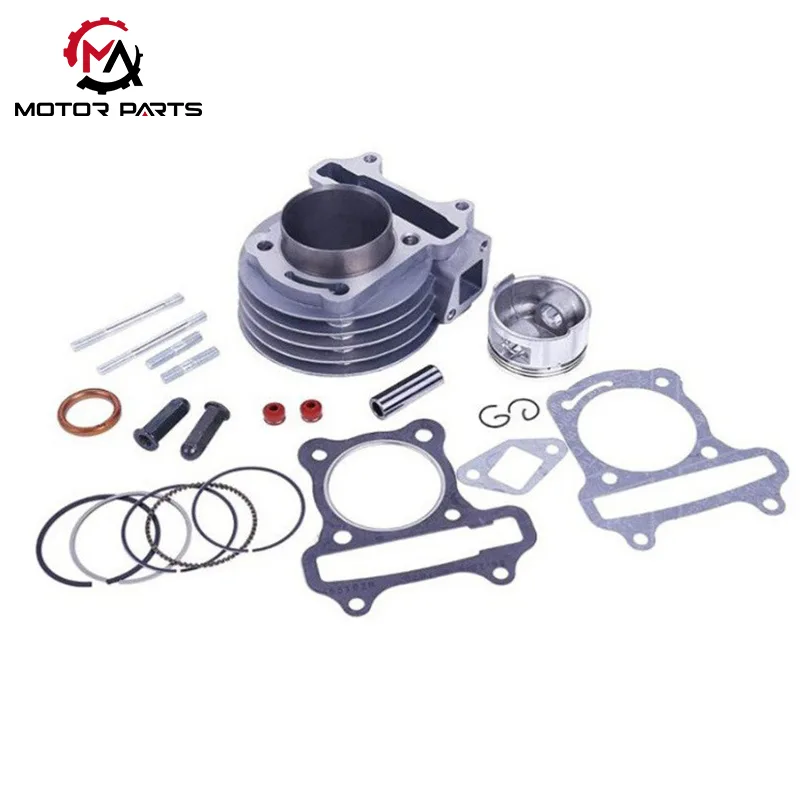
The motorcycle cylinder block, as the "power center" of engine body component, is the most recognizable part in appearance, and its structure and layout directly determine the power characteristics.
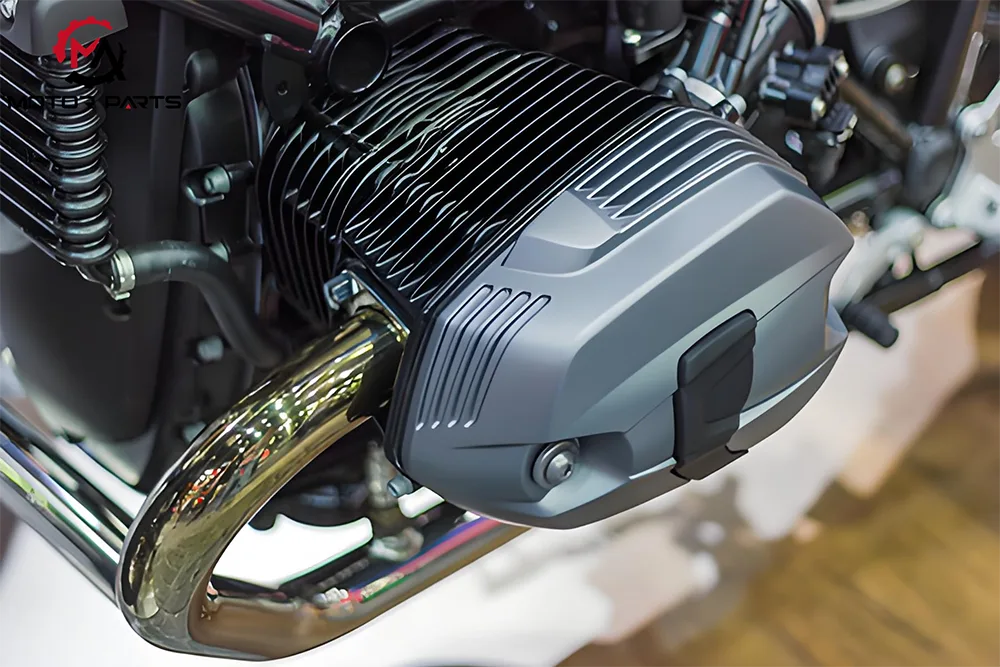
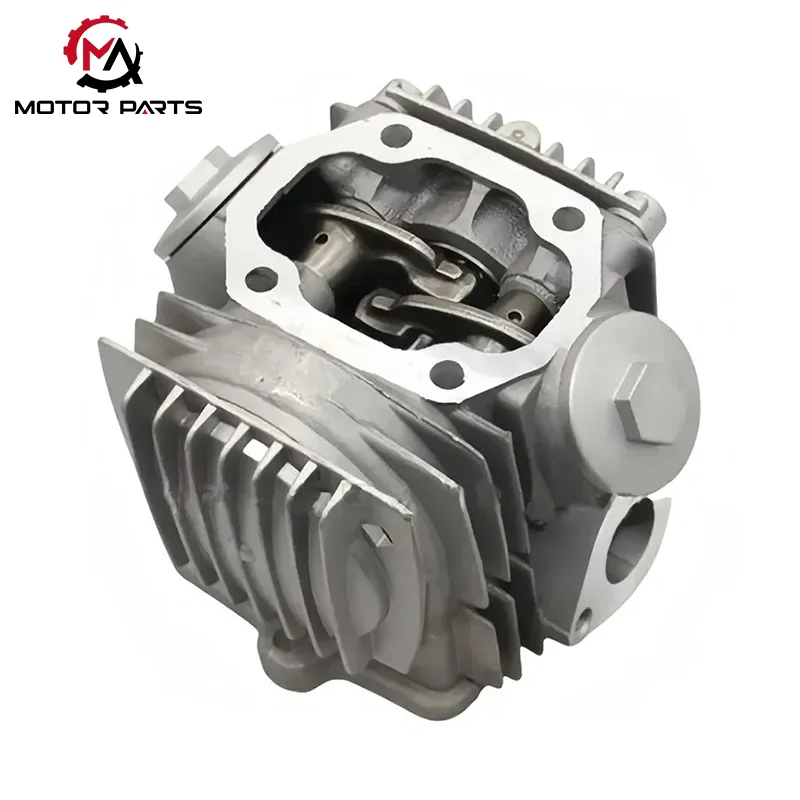
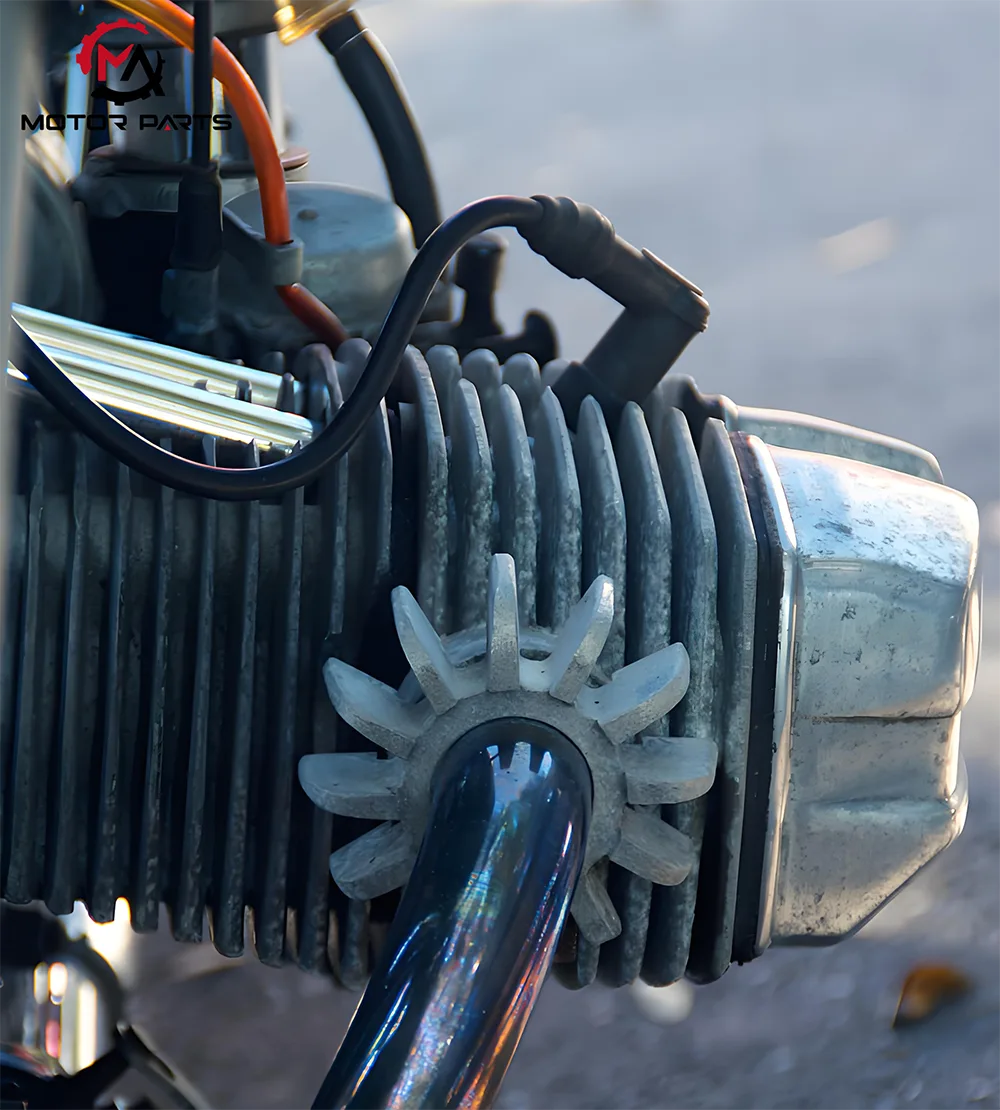
The motorcycle cylinder body of a single cylinder engine is an independent cylindrical shape; Parallel distribution of twin cylinders, with a spacing of 5-8 centimeters; The V-shaped motorcycle cylinder body tilts at an angle of 60 ° or 90 °, forming a signature power aesthetic; The horizontally opposed cylinder block is symmetrical on both sides, effectively reducing the center of gravity of the entire vehicle. The cylinder material is mainly aluminum alloy, and some models adopt a composite structure of cast iron lining and aluminum alloy outer layer, presenting a matte metallic texture or gold and black anodized treatment on the surface. The characteristic feature of the air-cooled cylinder body is the dense distribution of heat dissipation fins on the outer wall. These metal thin sheets, with a thickness of about 1.5-3 millimeters and a rounded end, extend along the axis of the cylinder body with a spacing of 5-8 millimeters, forming a regular grid like pattern that presents a texture of alternating light and dark under sunlight.
The water-cooled cylinder block eliminates external heat sinks and has a relatively smooth surface. Two coolant interfaces with a diameter of about 10-15 millimeters can be seen on the side of the motorcycle cylinder block. The fine threads on the edges of the interfaces are matched with motorcycle sealing rubber rings for connecting rubber water pipes. Some models will have "IN" and "OUT" markings engraved near the interfaces to distinguish the direction of entry and exit.
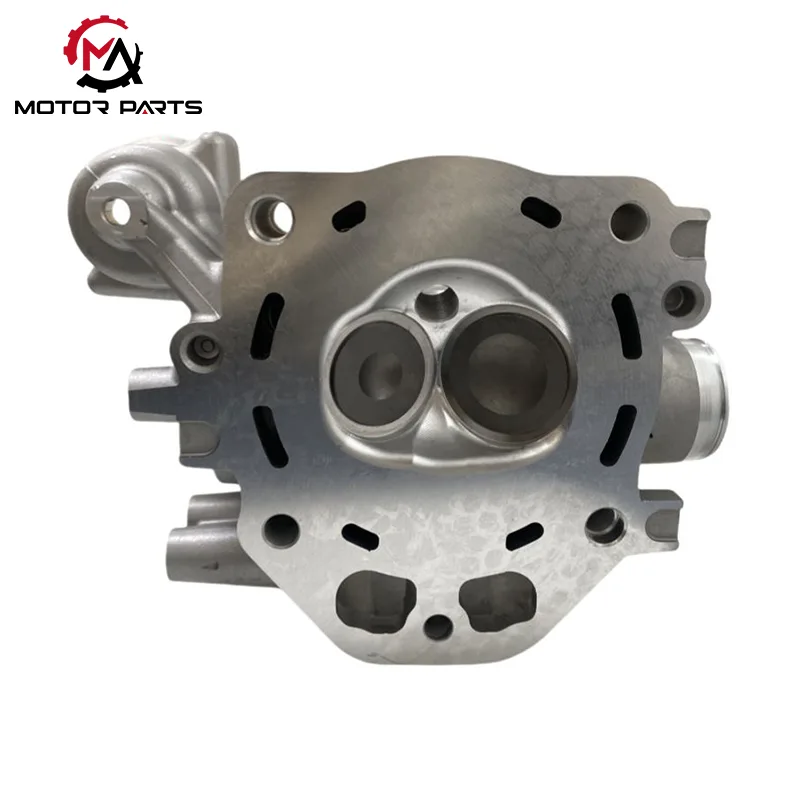
The motorcycle cylinder head is located at the top of the cylinder body and is the most complex part of engine block components in terms of design.
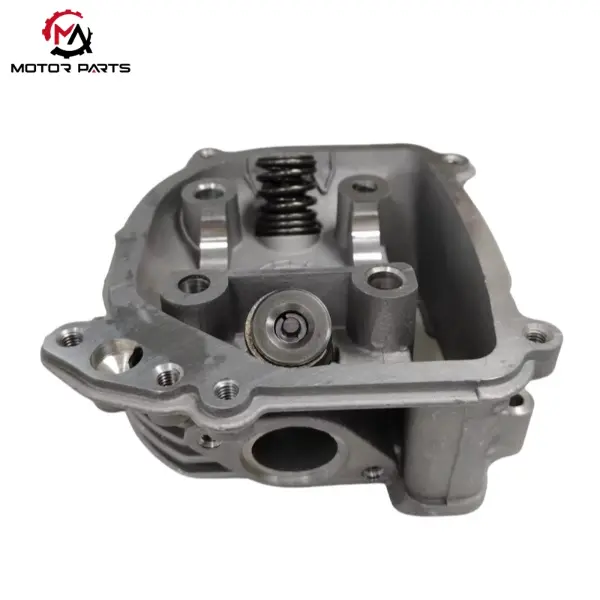
The appearance contour changes with the valve structure: the top of the cylinder head of the single camshaft model is a gentle arc, while the double camshaft model has obvious bimodal protrusions with a height of about 3-5 centimeters, corresponding to the position of the camshaft inside. The front end of the motorcycle cylinder head usually has a spark plug installation hole, which is hexagonal in shape and easy to remove with a wrench. It is surrounded by a circular base of 4-6 valve guides.
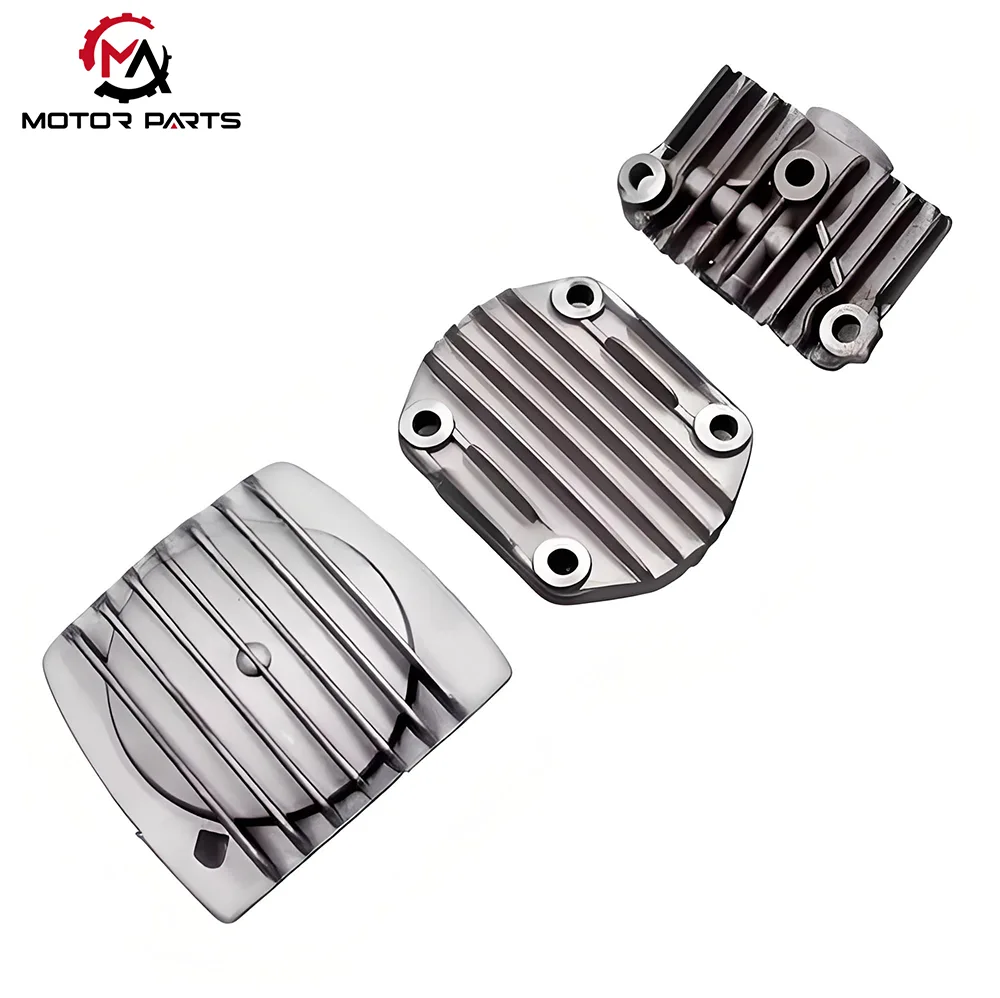
The cylinder head side of the top mounted valve model will have a push rod hole, which is cylindrical in shape and has a diameter of about 8-12 millimeters. On the other hand, the overhead cam model has a timing chain cover at the rear end of the motorcycle cylinder head, which is semi-circular in shape and may have an observation window on the surface. The connection between the cylinder head and the cylinder body is distributed with a circle of fastening bolts, usually 8-12 in number. The bolt heads are in the shape of an inner hexagon or cross groove, arranged neatly.
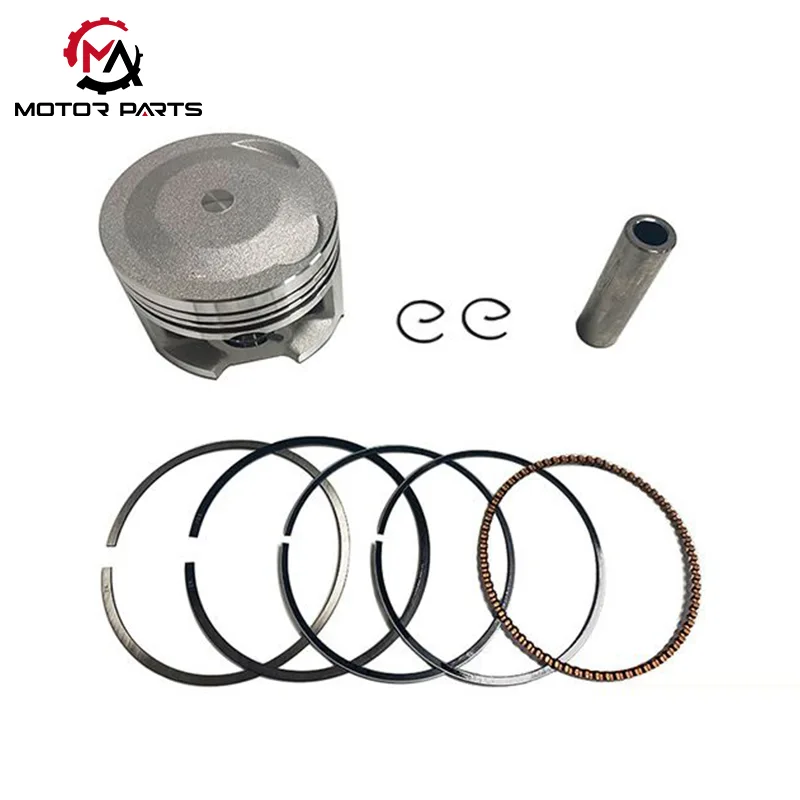
As the power carrier for reciprocating motion, the structure design of the motorcycle piston is clearly presented through the exposed parts.
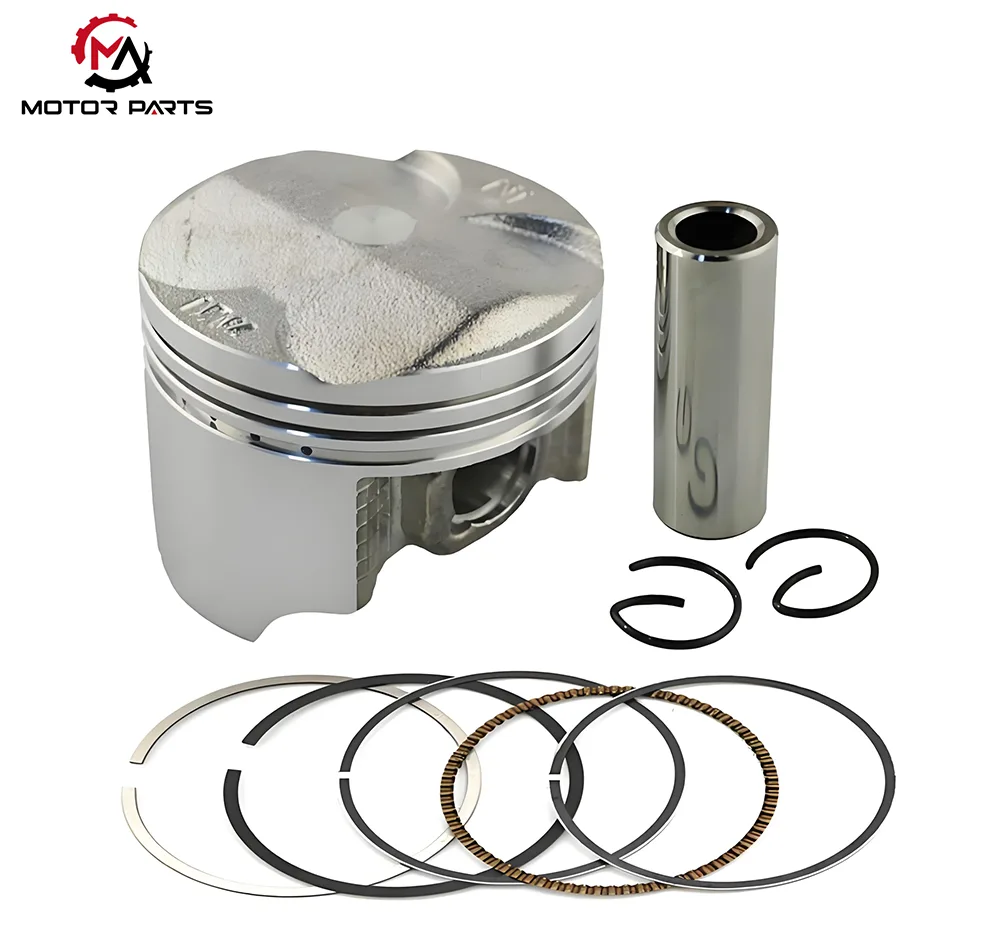
The head is circular, and the shape of the top varies with the combustion mode: the edge of the flat top piston has a 2-3mm chamfer; Convex top piston adapted to high compression ratio combustion chamber; The bowl-shaped depression of the concave piston optimizes the mixing of oil and gas. The common dark brown carbon deposits at the top are a characteristic of normal combustion and a basis for determining the health status of motorcycle engines.
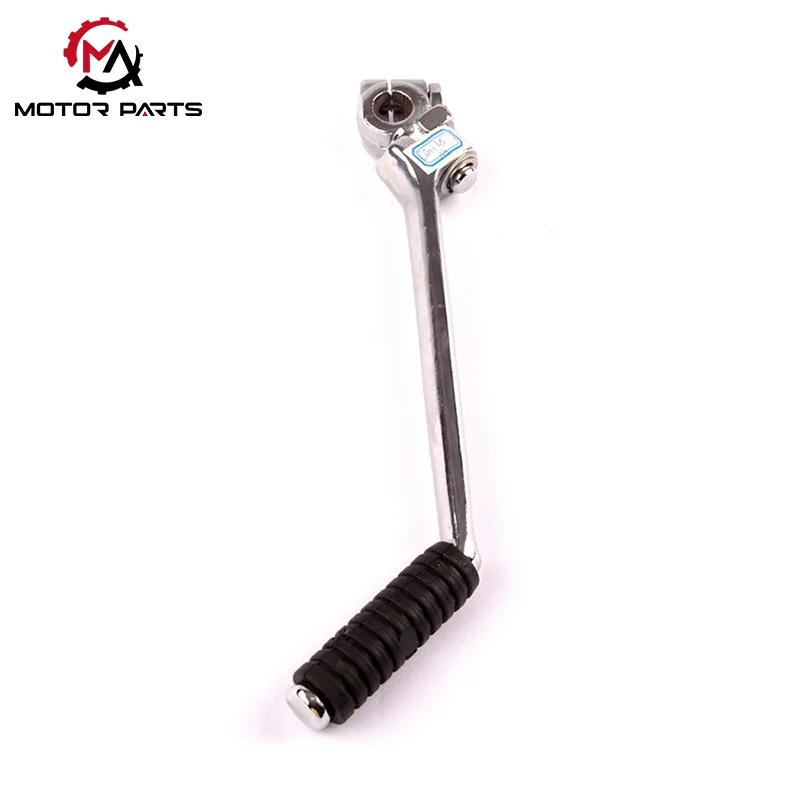
The motorcycle starting lever, as the control terminal for traditional mechanical starting, presents a lever structure that balances functionality and tactile sensation. The shaft is made of high-strength steel and bent, with a diameter of 8-10 millimeters. The curved curve extends from the motorcycle crankcase to near the foot pedal, and the bending angle conforms to ergonomics. The surface is electroplated in bright silver or coated with black matte paint by electrophoretic spraying. Off road vehicles are often equipped with anti-slip covers to cope with muddy environments.
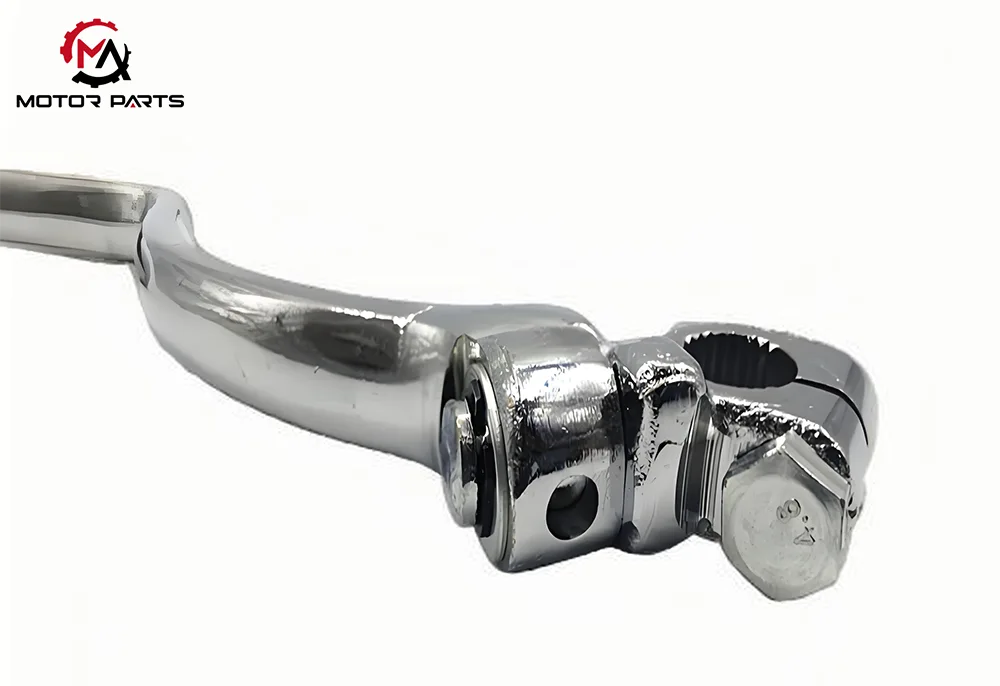
The transmission end is a fork shaped structure, and when not in use, the motorcycle starting rod tilts 30 degrees to the right. When stepped on, it drives the internal gear to complete the start. Modern car models often use it as an emergency device, and its design is more in line with the overall style of the vehicle.
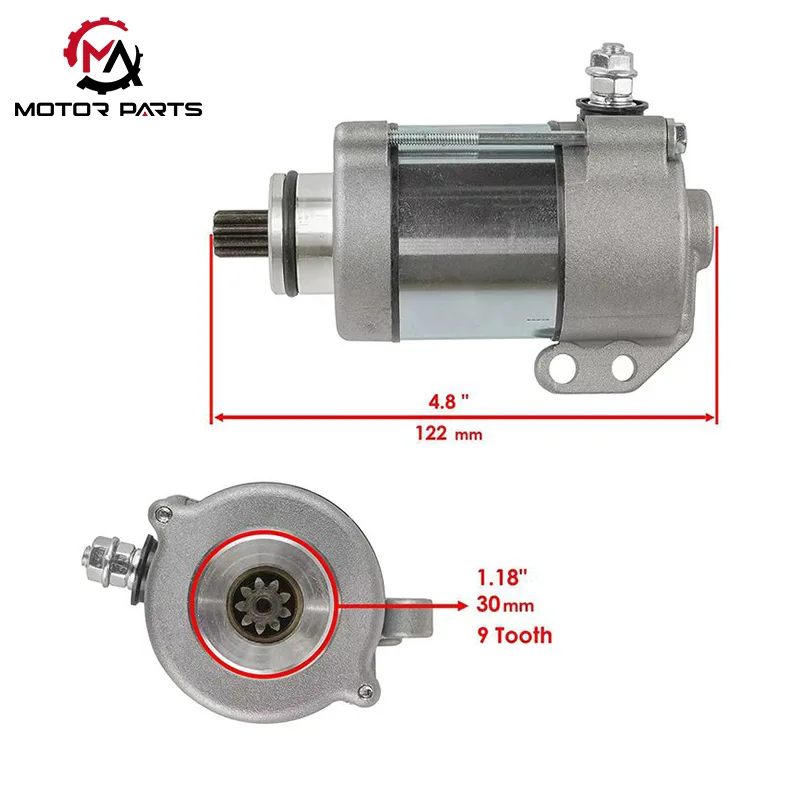
The motorcycle starter motor, as the mainstream starting device, is hidden on the side of motorcycle engine body and has a compact cylindrical or square structure. The main body is made of cast iron or aluminum alloy shell, with cast iron presenting a dark gray matte finish and aluminum alloy sandblasted to a fine silver-gray finish. The surface is lined with parallel 1-2-millimeter-high heat dissipation ribs.
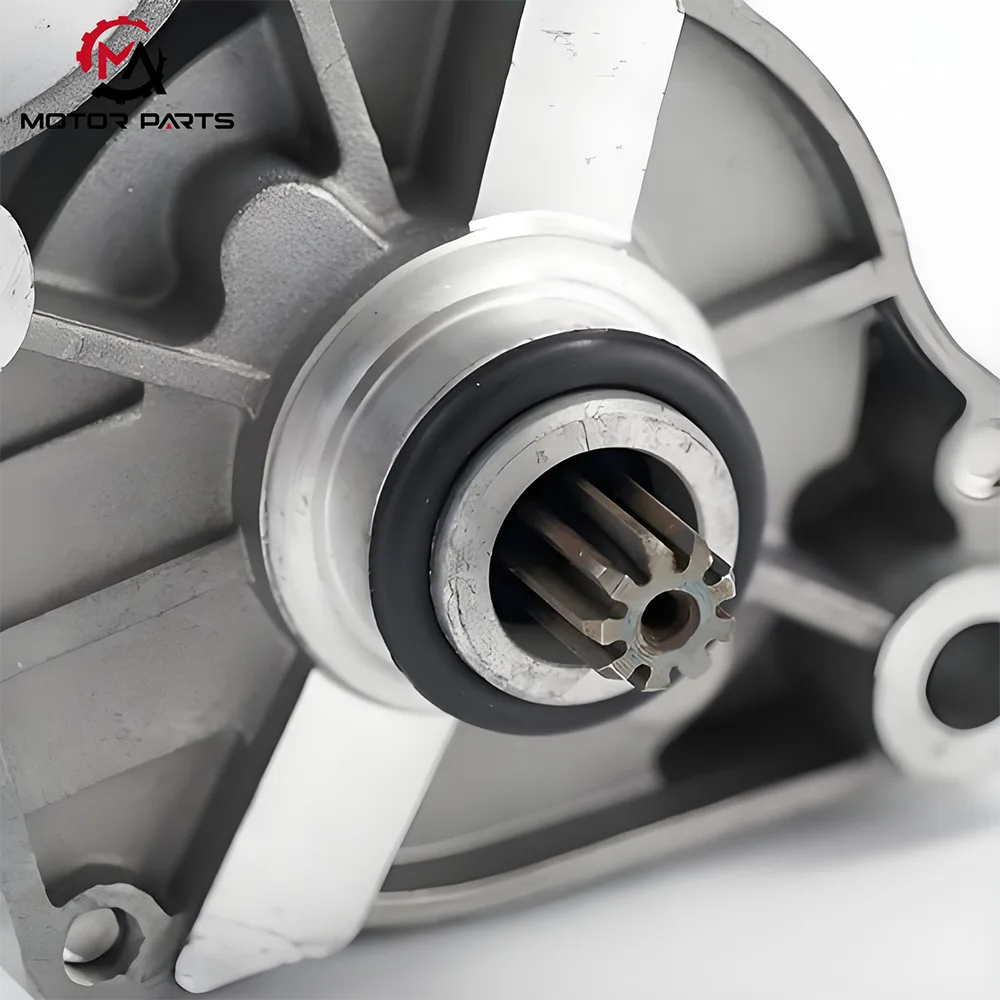
The front circular flange is fixed to the motorcycle crankcase with 4-6 bolts, and the pressure marks on the motorcycle sealing gasket are evenly visible. The output shaft end drive gear is usually hidden inside a semi-circular metal protective cover, and when started, it is pushed out of the meshing flywheel through electromagnetic force. The black rubber sealing ring of the tail power harness interface protrudes significantly, and the red (positive) and black (negative) cables will be wrapped in wear-resistant sleeves.
The motorcycle engine casing, as the core protective component, serves dual functions of mechanical protection and visual presentation. It can be divided into three categories based on its position: motorcycle crankcase cover, cylinder head cover, and side guard. The surface treatment process of the shell directly affects the visual texture: street cars commonly use frosted drawing technology to form delicate linear textures; Cruising cars often use mirror polishing to reflect ambient light; Retro cars deliberately retain the traces of casting, presenting a rugged industrial style.
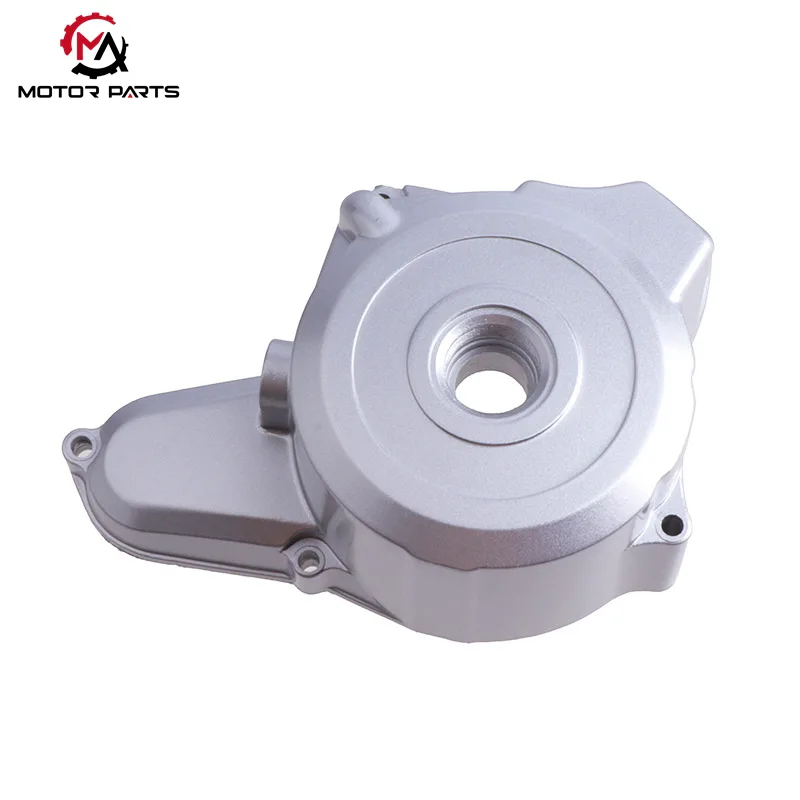
The motorcycle crankcase cover is the most prominent housing component of engine, mostly made of aluminum alloy material. The left and right covers are fixed with 10-15 hexagonal bolts, and the edges are designed with waterproof grooves. The black sealant inside the grooves forms continuous lines. The left box cover integrates a magnetic motor observation window, with a transparent plastic sheet covered with a metal protective net; There is a clutch adjustment mechanism window on the right side of the box cover, and the circular knob edge has a scale mark.
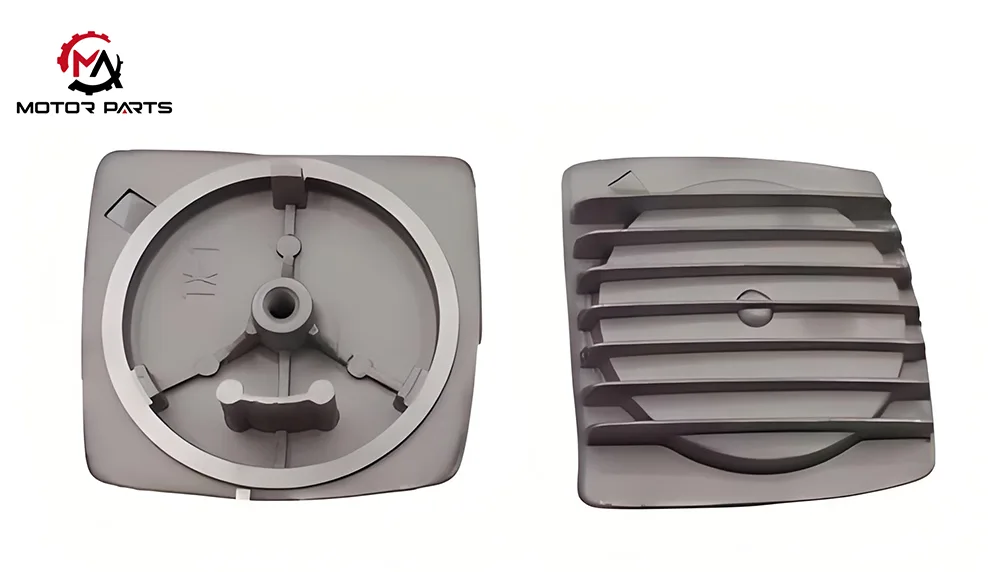
The motorcycle cylinder head cover is located at the top of the cylinder body and is made of two types of materials: metal and engineering plastic. The surface of the metal cover is stamped with heat dissipation holes or brand patterns, while the motorcycle plastic cover is the same color as the body and fixed with buckles or bolts. Some sports car models have cylinder head covers designed as hollow structures to showcase the mechanical beauty inside.
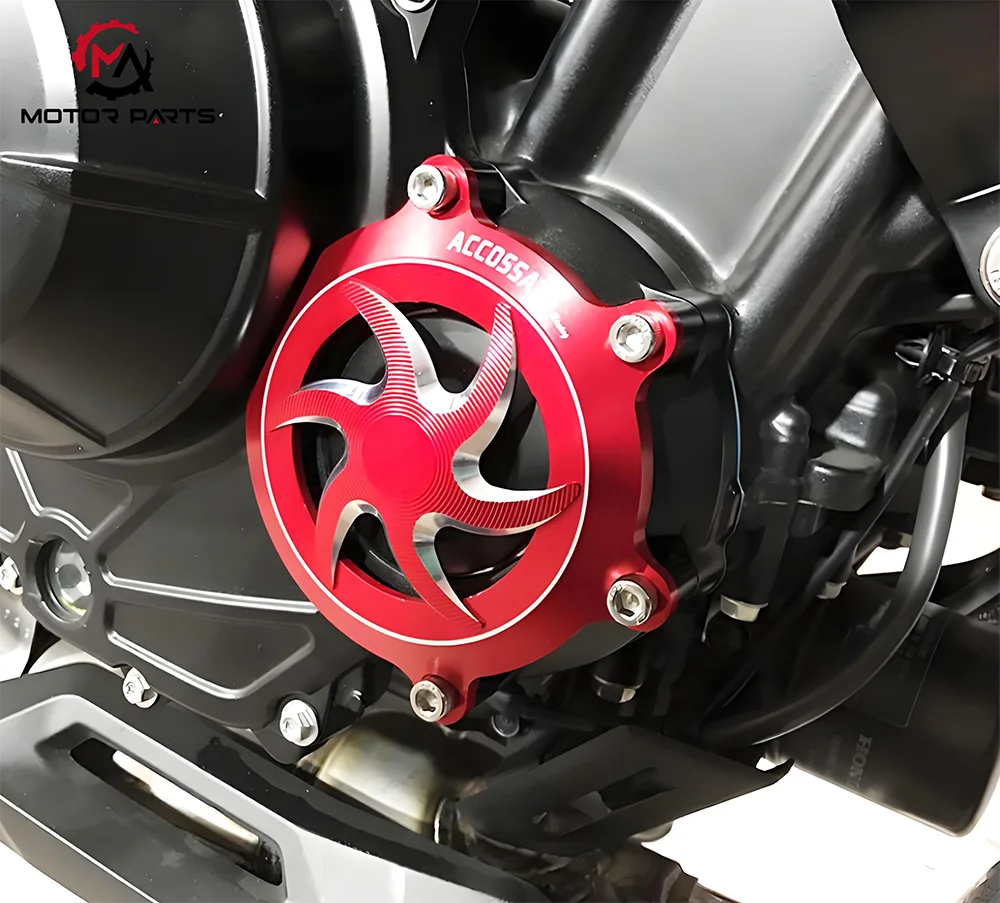
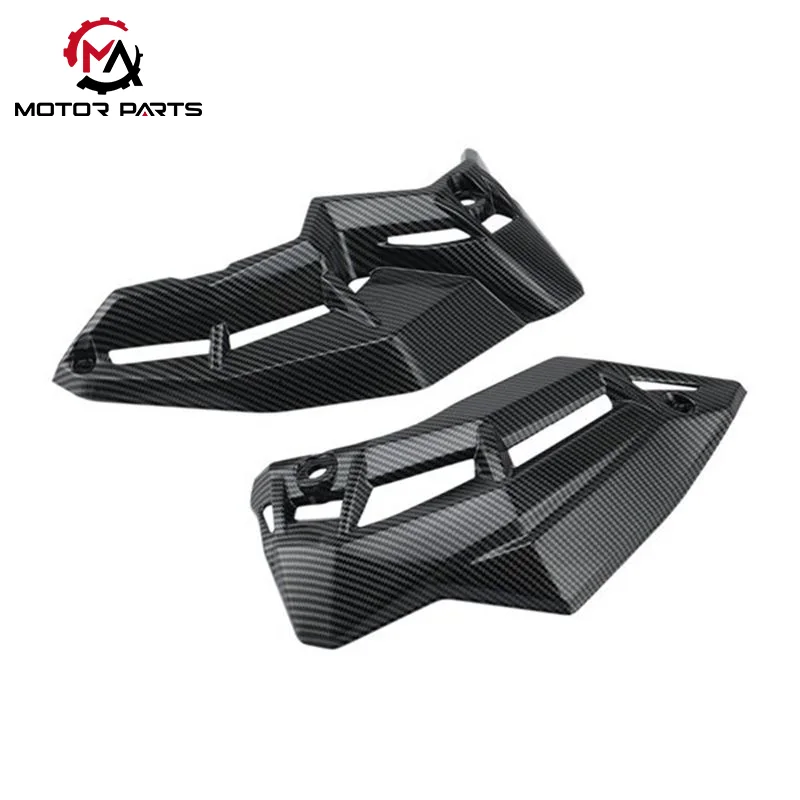
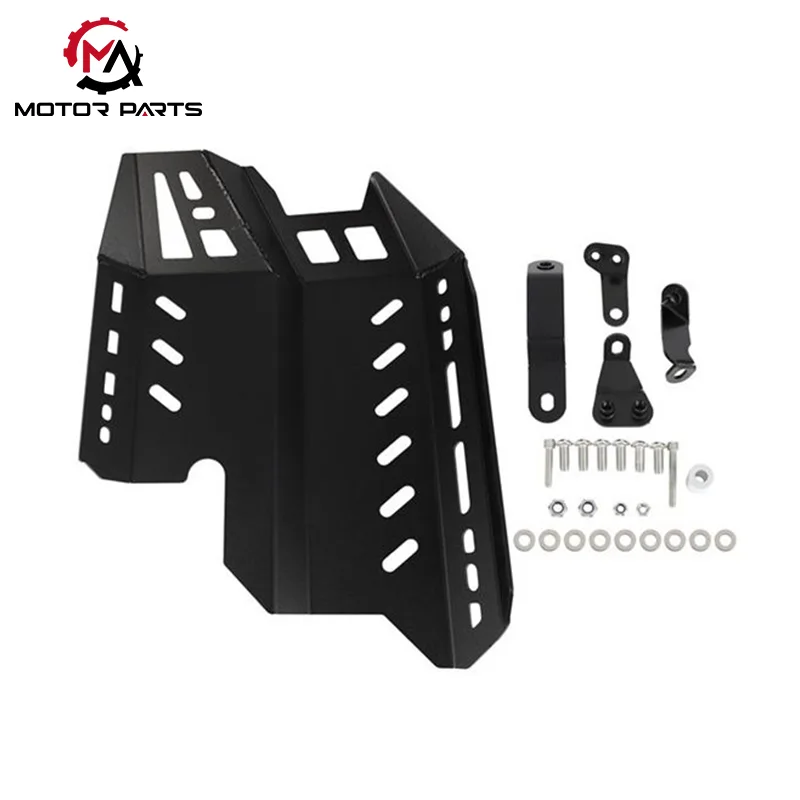
As an auxiliary protective component, the side guard plate is mostly made of ABS plastic material, covering the side and bottom of the motorcycle crankcase, and its shape changes with the streamlined design of the vehicle. The surface has been spray painted to match the color of the motorcycle body, and the edges are designed with flow channels to guide the airflow. The thickness of the bottom protective plate has been increased to 3-5 millimeters to enhance the stone impact protection of the motorcycle engine oil pan. Some models reserve inspection windows here for daily maintenance.
Max Trading never relies on low prices to participate in market competition, because every product is given a meaning of existence by us, whether it's crossing the ocean or taking a train, and ultimately reaching every customer who has high expectations for it. Customer recognition is the driving force behind our efforts to produce and improve.
Hope Max Trading's products can accompany every knight through mountains, rivers, lakes, and seas, through spring, summer, autumn, and winter.