


Article Summary: Motorcycle Fasteners play a critical role in structural integrity, vibration resistance, and long-term riding safety. From engine assemblies to braking systems, the right fastener selection directly impacts reliability and maintenance efficiency. This article provides a comprehensive overview of Motorcycle Fasteners, addressing material choices, performance requirements, common challenges, and practical selection guidance for riders, mechanics, and distributors.
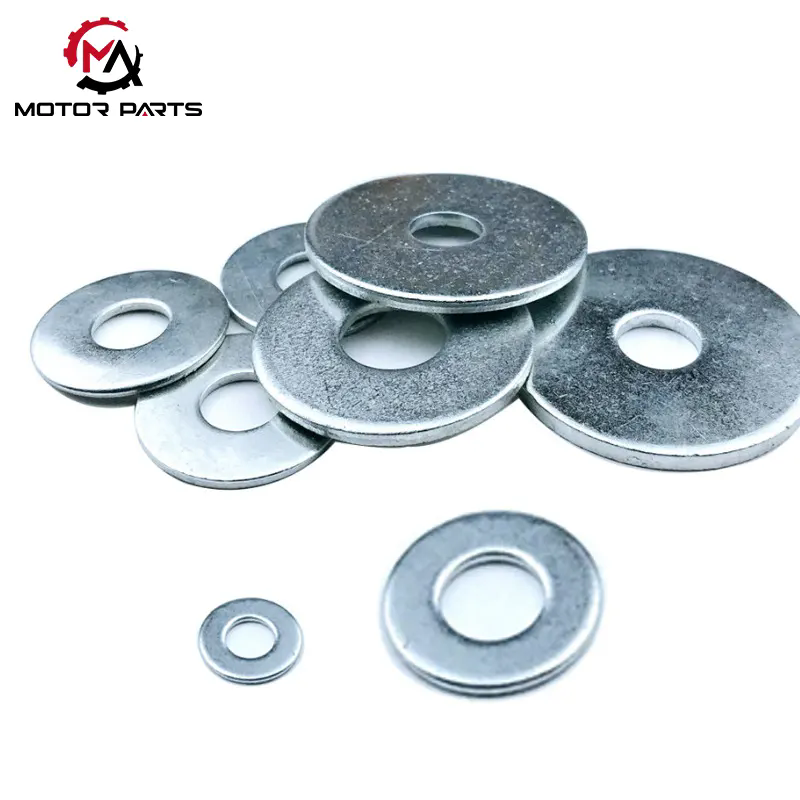
Table of Contents
- Motorcycle Fastener Overview
- Common Problems in Motorcycle Fastening Systems
- Key Specifications and Material Options
- Typical Applications Across Motorcycle Systems
- Frequently Asked Questions
- Conclusion and Contact
Motorcycle Fastener Overview
A Motorcycle Fastener refers to bolts, screws, nuts, studs, and washers specifically engineered to withstand the dynamic loads and environmental exposure experienced by motorcycles. Unlike general-purpose fasteners, motorcycle-specific fasteners must resist continuous vibration, temperature fluctuations, moisture, and mechanical stress.
High-quality Motorcycle Fasteners are used in critical assemblies such as engine blocks, exhaust systems, suspension components, braking systems, and frame connections. Proper fastening ensures that components remain securely aligned during operation, reducing the risk of loosening, fatigue failure, or unexpected breakdowns.
Common Problems in Motorcycle Fastening Systems
Motorcycle owners and maintenance professionals frequently encounter fastening-related issues that compromise safety and performance. Understanding these pain points helps identify why fastener quality and compatibility matter.
- Fastener loosening caused by high-frequency vibration during riding
- Corrosion due to exposure to rain, road salt, and humidity
- Thread damage from repeated installation and removal
- Insufficient tensile strength leading to fastener breakage
- Incorrect torque application resulting in component deformation
Addressing these issues requires selecting fasteners designed specifically for motorcycle environments rather than relying on standard industrial hardware.
Key Specifications and Material Options
Motorcycle Fasteners are manufactured according to precise dimensional and mechanical standards to ensure compatibility and performance. The table below outlines commonly used specifications and material choices.
| Parameter | Typical Specification |
|---|---|
| Material | Carbon steel, stainless steel, alloy steel, titanium |
| Strength Grade | 8.8 / 10.9 / 12.9 (metric standards) |
| Thread Type | Metric coarse and metric fine threads |
| Surface Treatment | Zinc plating, black oxide, anodizing, passivation |
| Corrosion Resistance | Standard to high, depending on coating and base material |
| Application Areas | Engine, chassis, brake system, exhaust, fairings |
Choosing the correct combination of material and surface treatment improves durability and minimizes maintenance requirements over the motorcycle’s service life.
Typical Applications Across Motorcycle Systems
Motorcycle Fasteners are integrated throughout the vehicle, each application presenting unique mechanical demands.
In engine assemblies, fasteners must handle high temperatures and cyclic loads while maintaining precise clamping force. For suspension and frame connections, impact resistance and tensile strength are critical to rider safety. Brake system fasteners require excellent shear strength and dimensional accuracy to ensure consistent braking performance.
Body panels and fairings rely on corrosion-resistant fasteners that allow repeated removal without thread degradation. Selecting the correct fastener type for each system reduces vibration-related wear and enhances overall ride stability.
Frequently Asked Questions
Why are Motorcycle Fasteners different from standard fasteners?
Motorcycle Fasteners are designed to withstand vibration, dynamic loading, and environmental exposure. Standard fasteners may loosen or corrode quickly when used in motorcycle applications.
Which material is best for motorcycle fasteners?
The best material depends on the application. Alloy steel offers high strength, stainless steel provides corrosion resistance, and titanium delivers strength with reduced weight for performance-focused designs.
How often should motorcycle fasteners be inspected?
Fasteners should be checked during routine maintenance intervals, especially after long rides or exposure to harsh conditions. Critical fasteners should always be inspected after major servicing.
Can incorrect fasteners affect riding safety?
Yes. Using fasteners with improper strength grades or dimensions can lead to component loosening or failure, increasing the risk of mechanical issues during operation.
Conclusion and Contact
Motorcycle Fasteners are fundamental components that directly influence safety, durability, and performance. Selecting fasteners with appropriate materials, strength grades, and surface treatments ensures long-term reliability across all motorcycle systems.
As a trusted supplier, Max trading provides a comprehensive range of Motorcycle Fasteners engineered for demanding riding conditions and diverse mechanical requirements.
If detailed specifications, bulk purchasing options, or technical support are required, contact us today. The Max trading team is ready to support your motorcycle fastener needs with professional guidance and reliable solutions.