News

How Do Motorcycle Wheels And Hubs Influence Overall Riding Performance?

2026-02-05 0 Leave me a message

Abstract

Motorcycle wheels and hubs are far more than structural components; they directly influence stability, handling precision, braking efficiency, and long-term riding safety. Many riders and procurement professionals focus primarily on engine output or suspension systems, while underestimating how wheel and hub design affects daily performance and maintenance costs. This article provides a comprehensive explanation of motorcycle wheels and hubs, their functions, materials, compatibility considerations, and common problems faced by riders and distributors. The goal is to help readers make informed decisions that improve ride quality, durability, and overall value.

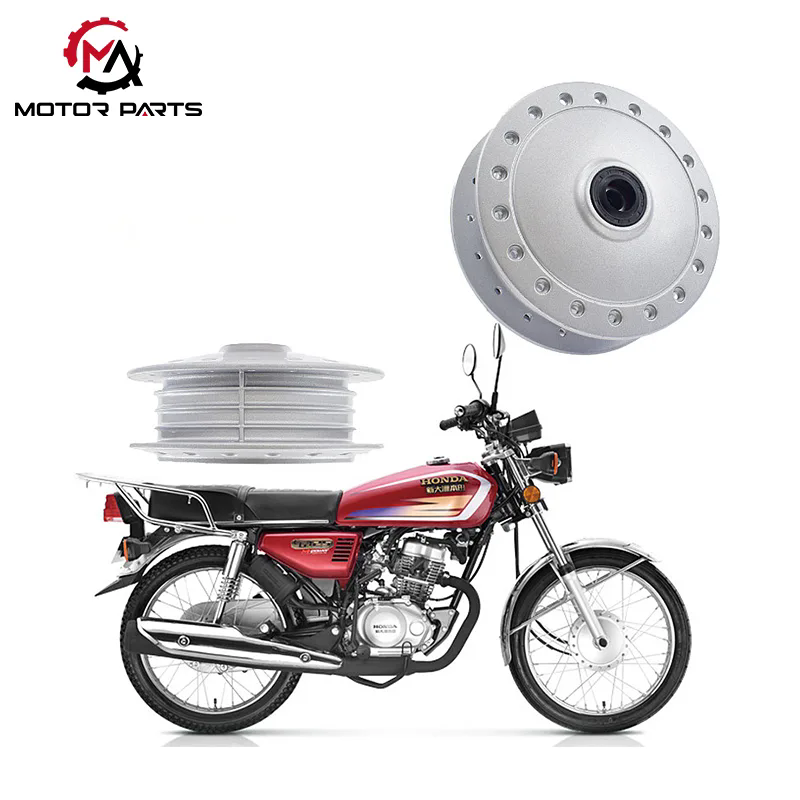
Honda CG125 Motorcycle Wheel Core


Table of Contents


Motorcycle Wheels And Hubs Overview

Motorcycle wheels and hubs form the foundation of motion transfer between the engine and the road surface. Wheels provide rolling contact, while hubs serve as the central connection point for spokes or rims, bearings, and braking components. Together, they support vehicle weight, absorb road forces, and ensure accurate rotational alignment.

A properly designed wheel and hub assembly enhances rider confidence, reduces vibration, and improves cornering control. Conversely, poor-quality components may lead to instability, uneven tire wear, or premature bearing failure.


Common Customer Pain Points

  • Inconsistent wheel balance leading to vibration at high speeds
  • Hub bearing wear caused by inadequate material strength
  • Limited compatibility between wheels and braking systems
  • Corrosion issues in humid or coastal environments
  • Difficulty sourcing reliable replacement parts

Understanding these issues allows buyers to prioritize durability, precision machining, and material selection when evaluating motorcycle wheels and hubs.


Types of Motorcycle Wheels

Motorcycle wheels are commonly classified by structure and application. Each type serves a specific riding environment and performance requirement.

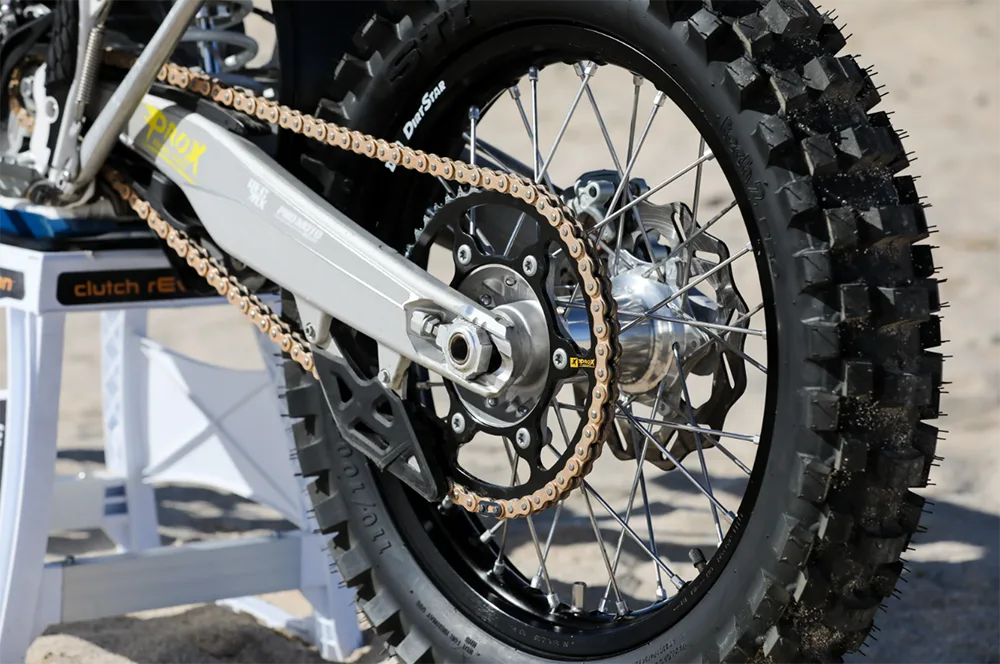
  • Spoked Wheels: Known for flexibility and impact absorption, commonly used in off-road and dual-sport motorcycles.
  • Cast Wheels: Manufactured as a single piece, offering consistent strength and low maintenance for street motorcycles.
  • Forged Wheels: Designed for high-performance applications, providing reduced weight and increased rigidity.

Understanding Motorcycle Hubs

The hub is the central component of the wheel assembly. It houses bearings, connects to the axle, and transfers torque from the drivetrain to the wheel. Hub quality directly affects rotational smoothness and braking alignment.

High-precision hubs reduce friction, improve bearing life, and maintain consistent wheel alignment. This is particularly important for motorcycles used in long-distance riding or commercial operations.


Materials and Manufacturing Considerations

Material selection determines strength, weight, and resistance to environmental stress. Advanced manufacturing techniques ensure uniformity and structural integrity.

  • Aluminum alloys for lightweight and corrosion resistance
  • Steel for heavy-load applications and cost efficiency
  • CNC machining for dimensional accuracy
  • Surface treatments to improve wear resistance

Fitment and Compatibility Factors

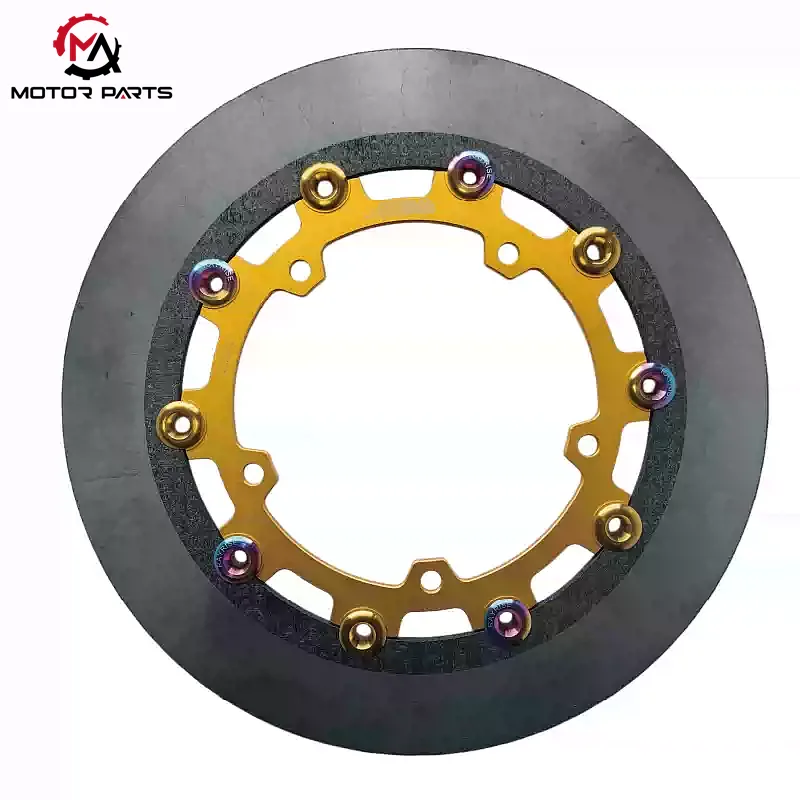
Selecting motorcycle wheels and hubs requires careful attention to fitment. Axle diameter, brake disc mounting points, and sprocket alignment must match the motorcycle model specifications.

Improper fitment may result in braking inefficiency, chain misalignment, or unsafe riding conditions. Reliable suppliers such as Max Trading emphasize compatibility testing across multiple motorcycle platforms.


Maintenance and Service Life

Routine inspection and maintenance significantly extend the service life of motorcycle wheels and hubs. Bearing lubrication, torque checks, and visual inspections help prevent unexpected failures.

  • Check bearing play regularly
  • Inspect hub surfaces for cracks or deformation
  • Ensure correct torque on axle fasteners

Wheel and Hub Configuration Comparison

Configuration Key Advantage Typical Application
Spoked Wheel + Steel Hub High impact tolerance Off-road and adventure riding
Cast Wheel + Aluminum Hub Low maintenance Urban commuting
Forged Wheel + CNC Hub Weight reduction Performance motorcycles

Frequently Asked Questions

Q: How often should motorcycle wheel bearings be replaced?
A: Replacement intervals depend on riding conditions, but regular inspection every service cycle is recommended.

Q: Are aftermarket motorcycle hubs reliable?
A: Aftermarket hubs from experienced suppliers with strict quality control can match or exceed original equipment performance.

Q: Can wheel upgrades improve fuel efficiency?
A: Reduced rotational weight may improve efficiency and handling responsiveness.


Conclusion and Contact Information

Motorcycle wheels and hubs play a critical role in ride stability, safety, and long-term operating cost. By understanding design types, material choices, and compatibility requirements, buyers can avoid common pitfalls and select components that deliver consistent performance.

Max Trading offers a wide range of motorcycle wheels and hubs engineered for reliability and precision across diverse riding applications. For tailored solutions, technical consultation, or bulk procurement support, contact us today to discuss how the right wheel and hub configuration can elevate your motorcycle performance.

Related News
Leave me a message
X
We use cookies to offer you a better browsing experience, analyze site traffic and personalize content. By using this site, you agree to our use of cookies. Privacy Policy
Reject Accept