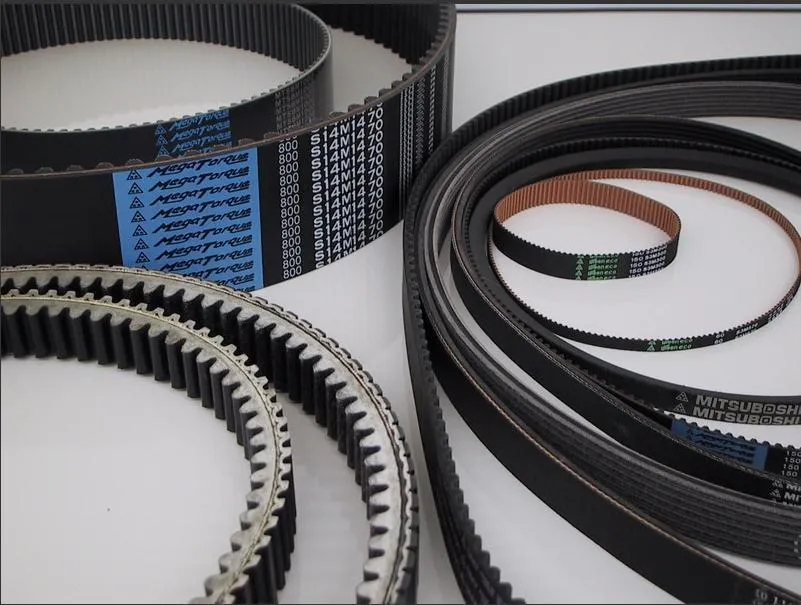
Max Trading has delved deeply into the production of motorcycle frame accessories, sparing no effort to excel in every detail. The products we craft boast numerous remarkable advantages, whether it comes to the wide protective frames essential for off-road motorcycles or the sleek, streamlined designs emphasized for street bikes. Backed by exquisite craftsmanship, Max Trading possess the capability to tailor exclusive components for all kinds of vehicle models, thoroughly meeting the diverse demands of the market. Our relentless pursuit of excellence runs through every stage of production, ensuring that each component not only meets but exceeds industry standards, delivering exceptional performance and reliability to riders and manufacturers alike.
The motorcycle frame mainly includes motorcycle guard bar, motorcycle luggage carrier, motorcycle support frames, motorcycle side bracket assemblies, motorcycle rearview mirrors, and motorcycle fender, which undertake functions such as motorcycle travel, parking, and loading. The various parts are interconnected and interact with each other.
Motorcycle guard bar
Motorcycle guard bar, as a safety barrier for vehicles, are usually installed at the front of the frame and the outer area of the engine. When a vehicle encounters sudden situations such as collisions or rollovers, the bumper, with its unique structural design, effectively buffers the impact force and greatly reduces the risk of damage to core components such as the frame, engine, and fuel tank.
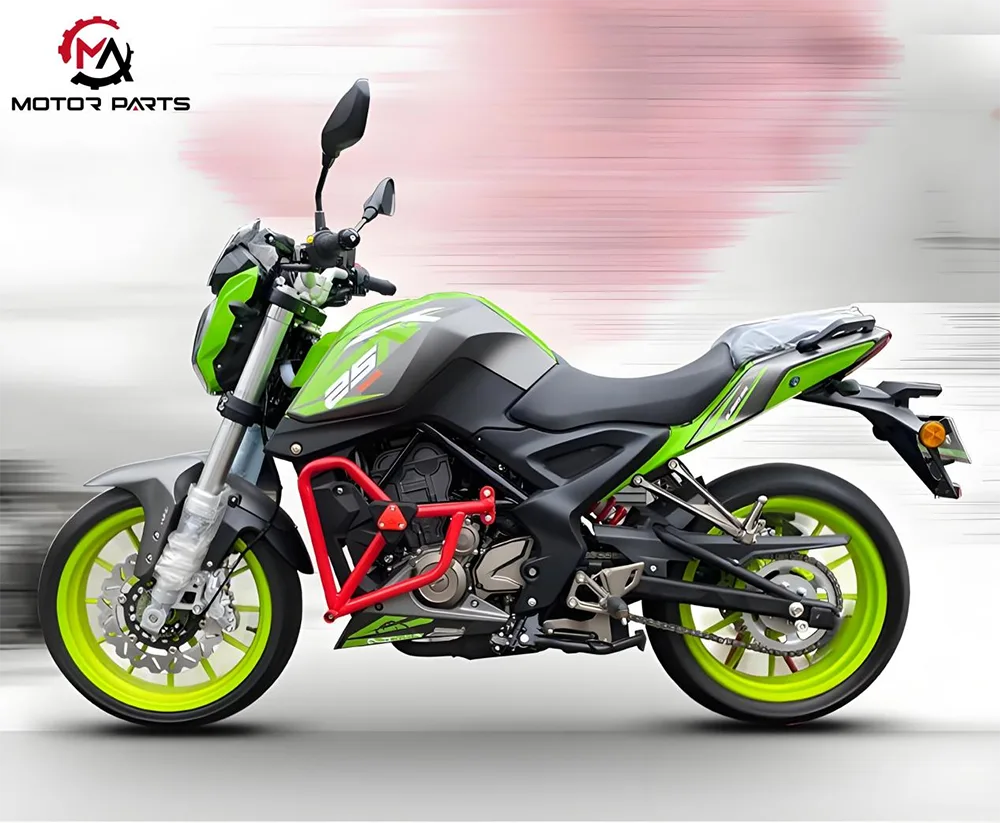
At the same time, in low-speed driving or parking accidents, it can build a safety line of defense for drivers and passengers, significantly reducing physical injuries caused by vehicle tipping and providing protection for cycling safety.
Motorcycle luggage carrier
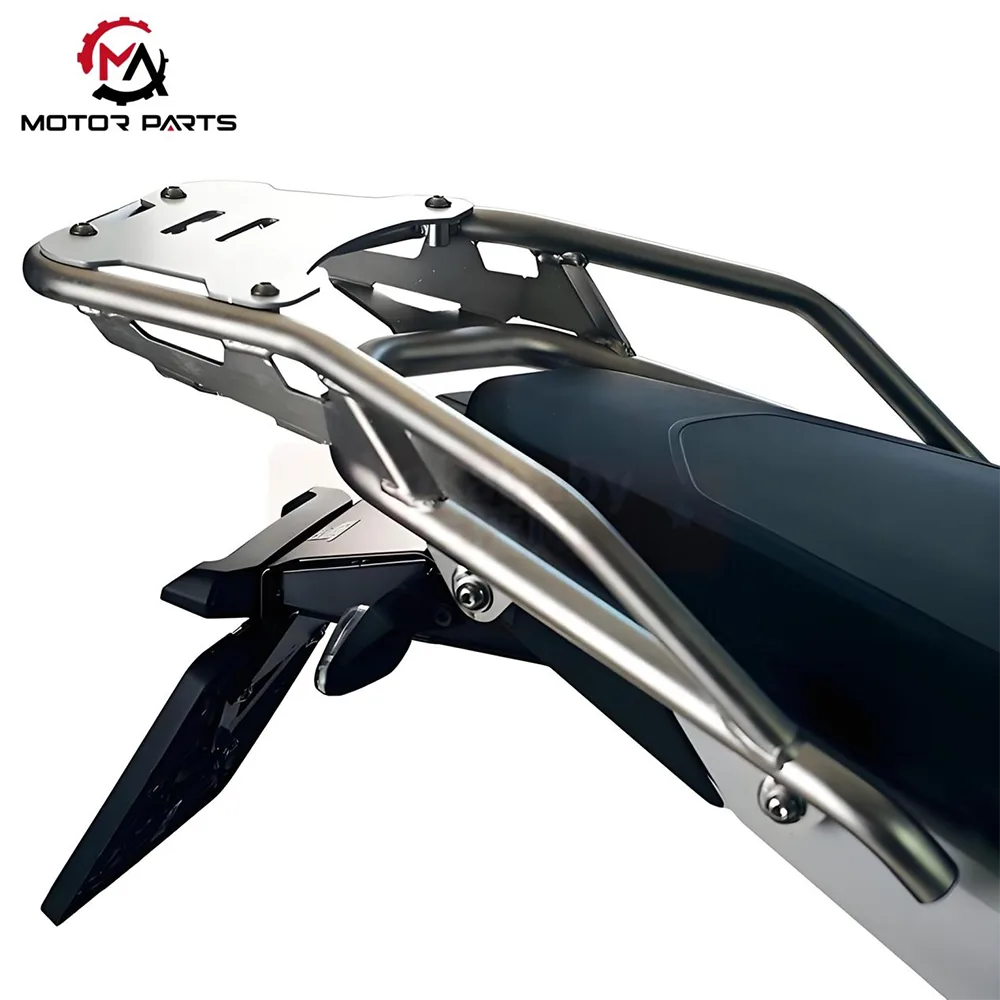
The luggage carrier is usually fixed on the back seat or rear of a motorcycle and is a practical component specially designed to enhance the carrying capacity. Through a scientifically reasonable binding method, the luggage rack can firmly fix various items, keeping stable load-bearing even in bumpy road conditions. Whether it's daily commuting purchases, short distance leisure trips, or long-distance motorcycle exploration, it can flexibly expand the storage space of vehicles, meet the diverse carrying needs of riders, and make travel more convenient and relaxed.
Motorcycle support frame
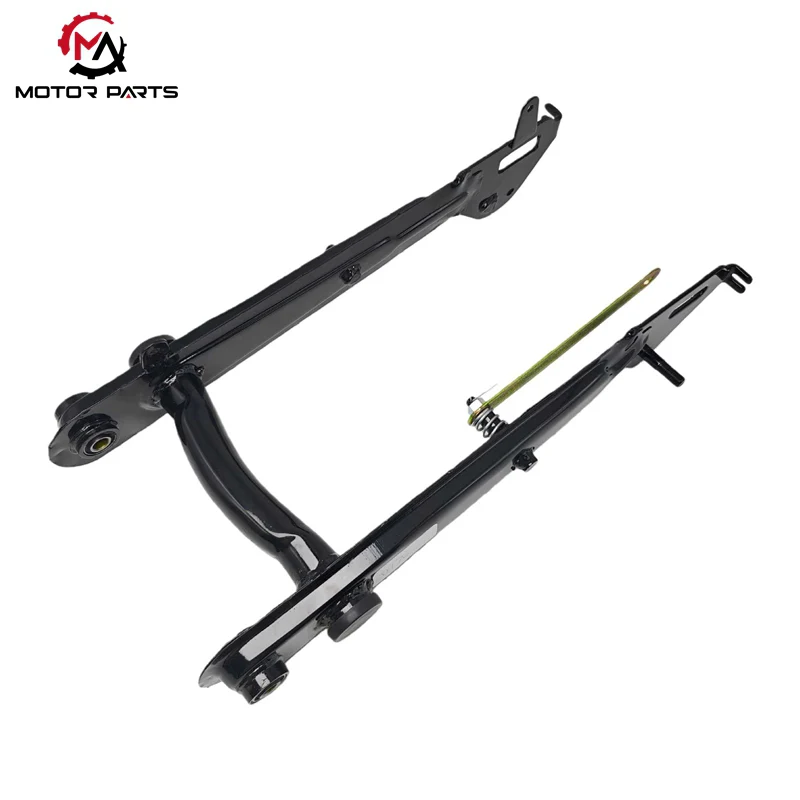
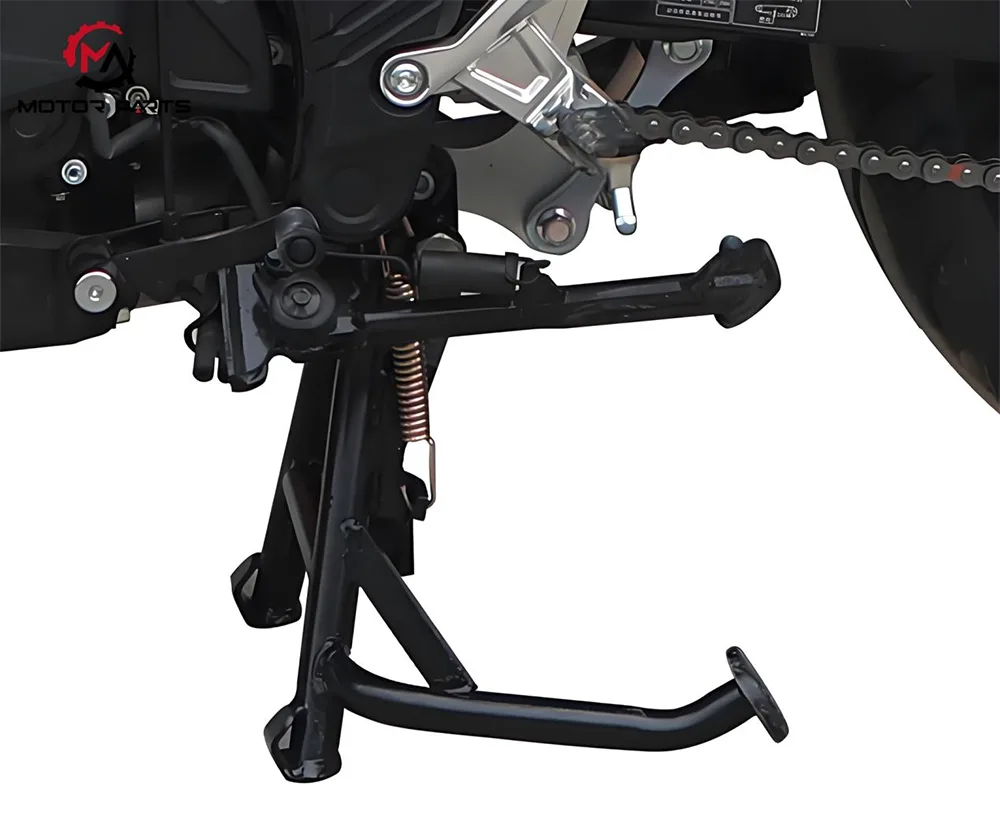
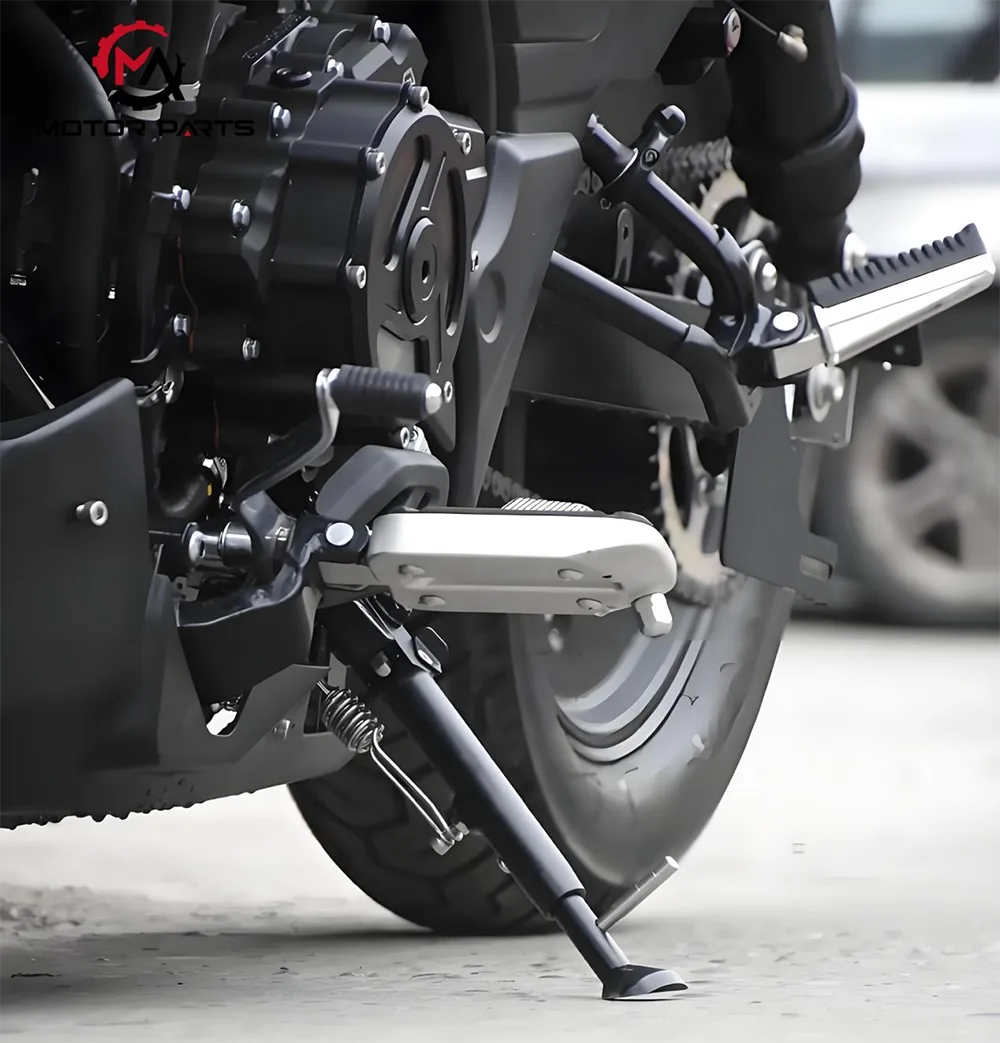
The support frame is located in the center of the bottom of the frame and can be regarded as the "stable cornerstone" of the motorcycle. When riders need to park their vehicles, they only need to lower them down, and with a stable contact with the ground, they can easily support the weight of the entire vehicle, keeping the motorcycle in an upright position. In the absence of side brackets, it is a important component for guarantee the safety of vehicle parking, effectively avoiding damage caused by vehicle tilting. When necessary, the motorcycle support frame can provide a stable platform for daily maintenance and repair. In routine maintenance scenarios such as changing engine oil, checking tire pressure, and calibrating chain tension, the support frame builds a stable operating base by fixing the vehicle in a horizontal state. This stability not only greatly improves work efficiency, but also effectively avoids safety hazards caused by accidental sliding or tilting of vehicles, making maintenance work more relaxed and safe.
Motorcycle side bracket assembly
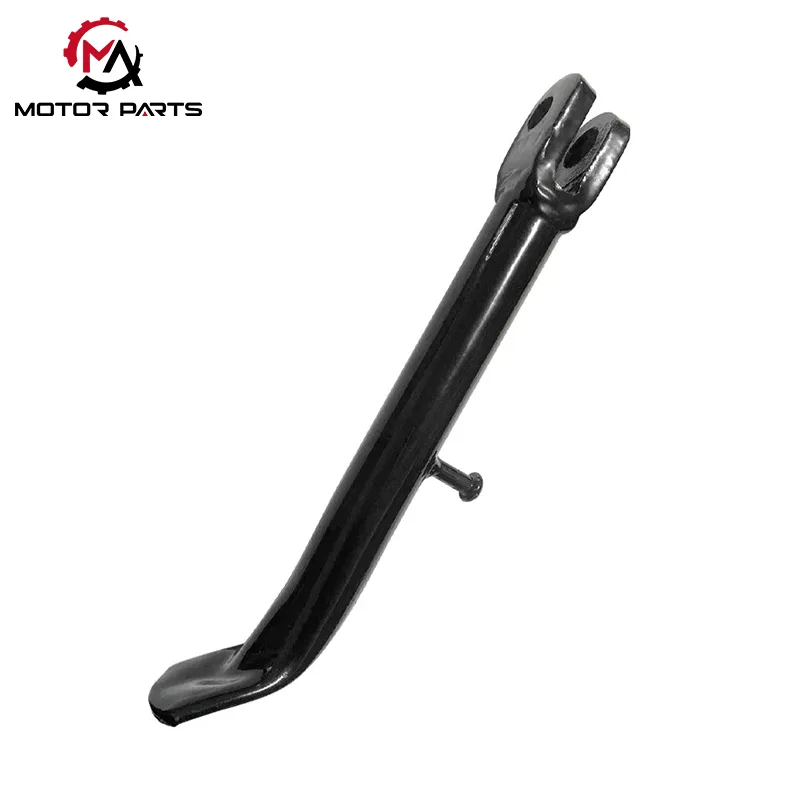
The side bracket assembly is installed on the side of the frame and also plays an important role in parking the vehicle. Unlike the support frame, the side bracket adopts a tilted support design, which is easy and fast to operate. When the rider gets on and off the vehicle, the side support frame can maintain a stable tilted posture, effectively dispersing the pressure of single foot support. Especially for novice riders or users of heavy motorcycles, it can significantly reduce the risk of tipping caused by vehicle shaking, and build a safety line for boarding and alighting operations, requiring only the rider to lightly step on or pull to complete retraction. It can also cleverly utilize the tilt angle to save parking spaces. This feature makes it the preferred choice for short-term daily parking, providing passengers with an efficient and convenient parking experience.
Motorcycle rear-view mirror
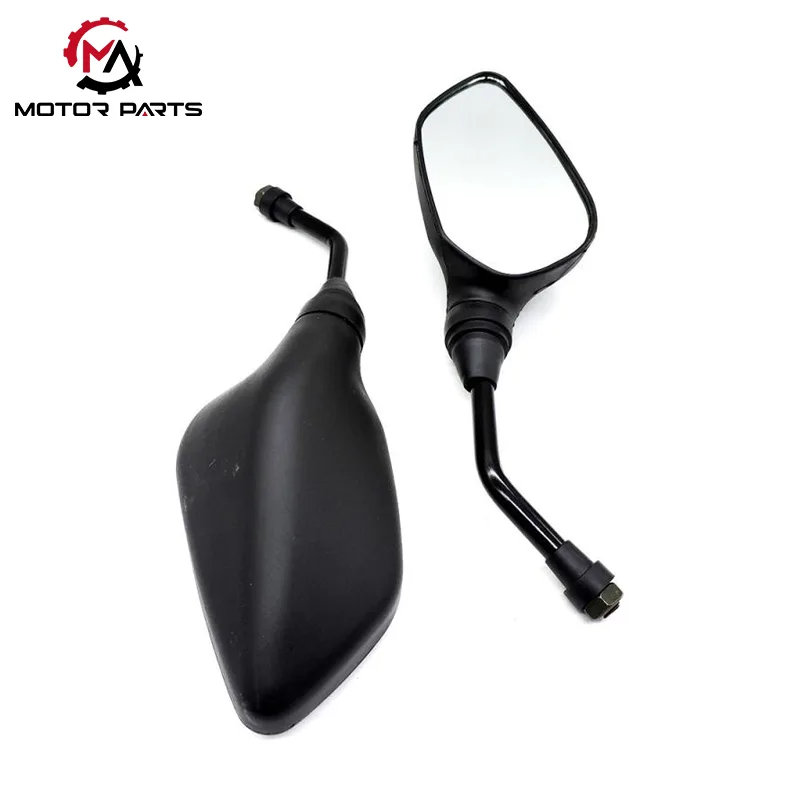
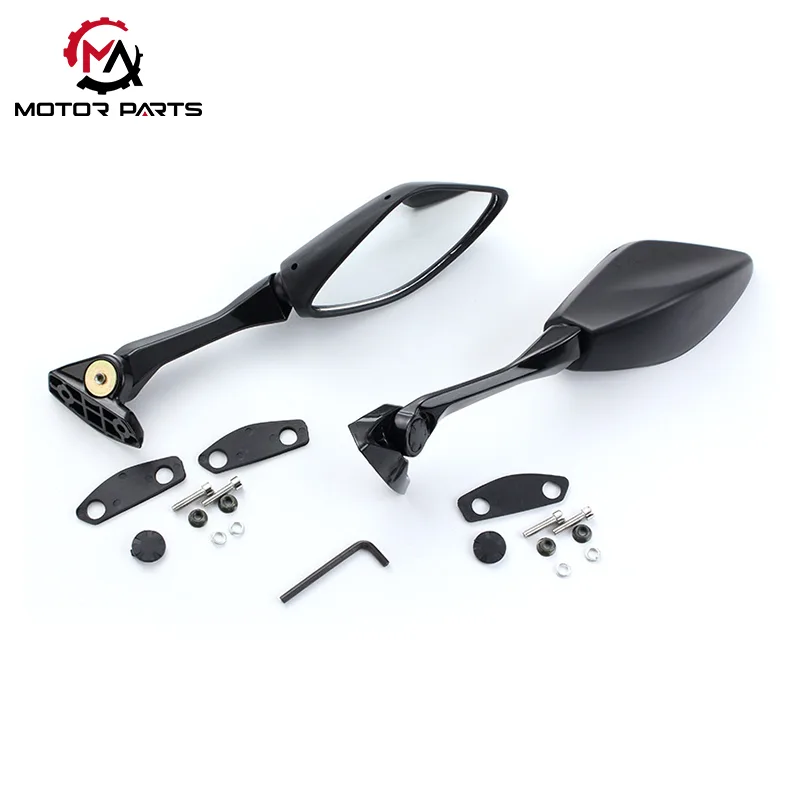
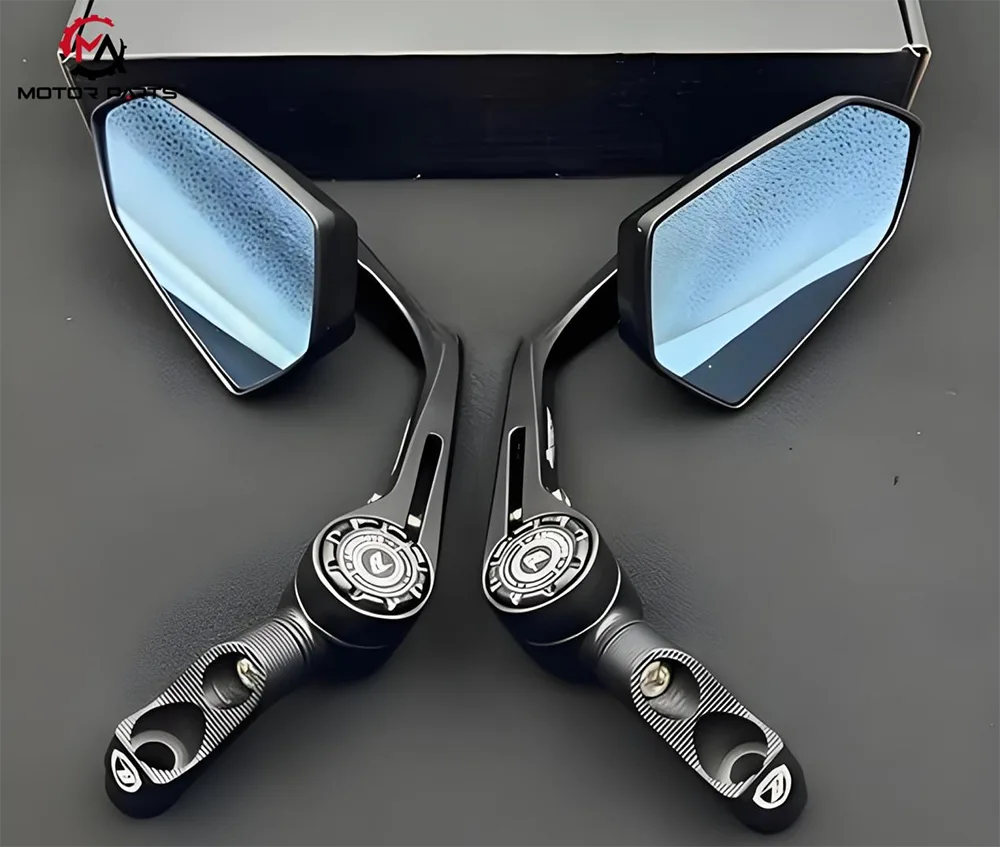
The rearview mirror is symmetrically installed on both sides of the handlebar, serving as the "rear eye" of the rider. Due to the compact size of the motorcycle body, the rider's direct field of vision is limited, and there are many blind spots in the rear and side rear areas. The rearview mirror cleverly uses the principle of reflection to present these blind spots clearly, expanding the rider's observation field and helping them to fully grasp the surrounding traffic conditions. It can present real-time and clear traffic conditions behind the vehicle, including key information such as the distance, speed, and driving trajectory of the vehicles behind. At the same time, before turning or changing lanes, the rider dynamically captures the trajectory of oncoming vehicles from behind through the rearview mirror, accurately determining their direction, speed, and relative distance. If the rearview mirror shows that the rear car is approaching at high speed or the distance is not close enough to the safety threshold, the rider can temporarily suspend the operation and wait for a gap in the traffic flow before executing the action, thereby greatly reducing the risk of scratches and collisions caused by blind spots in the line of sight. These pieces of information provide important references for cyclists when changing lanes, overtaking, turning, and other operations, helping them make accurate judgments in a timely manner, effectively avoiding potential dangers, and is an indispensable component of ensuring bicycle safety.
Motorcycle fender
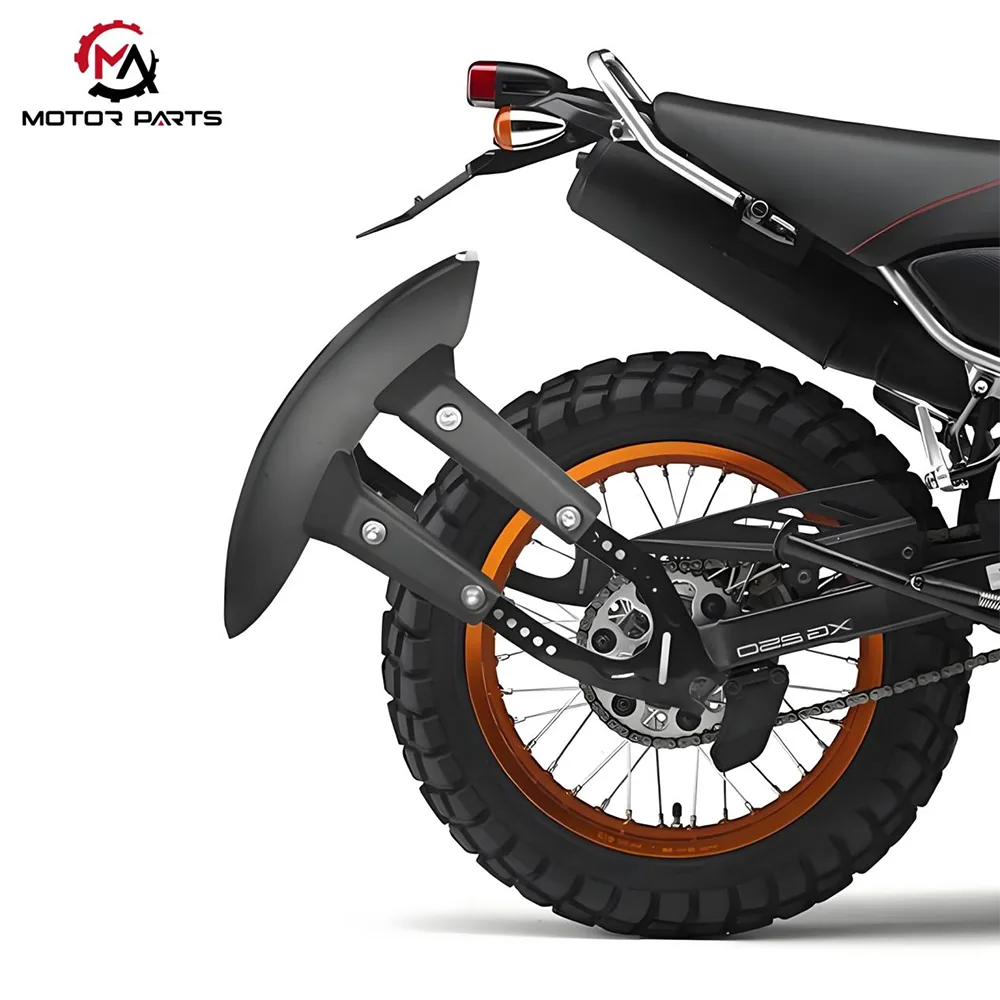
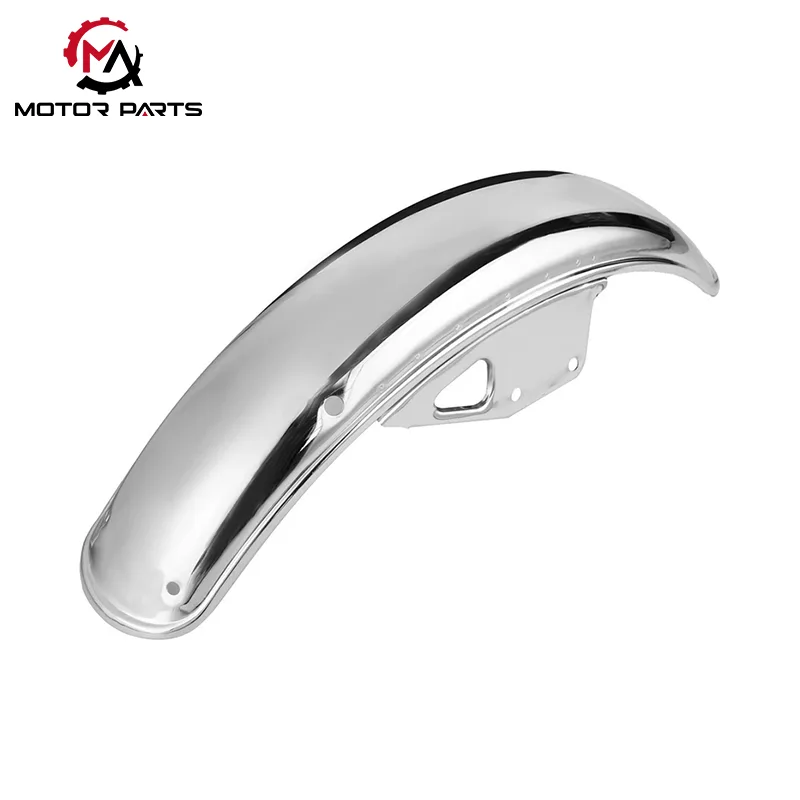
The motorcycle fender is divided into front and rear parts, which are installed above the front and rear wheels individually.
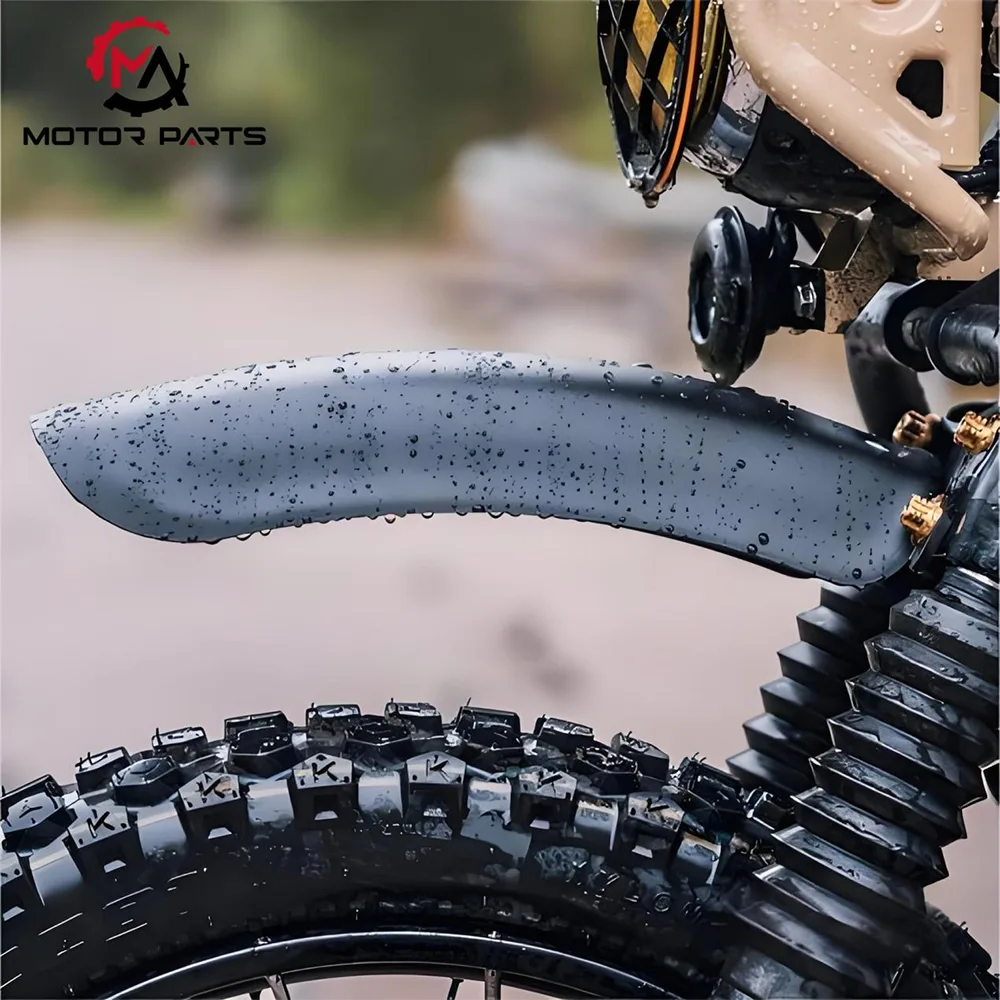
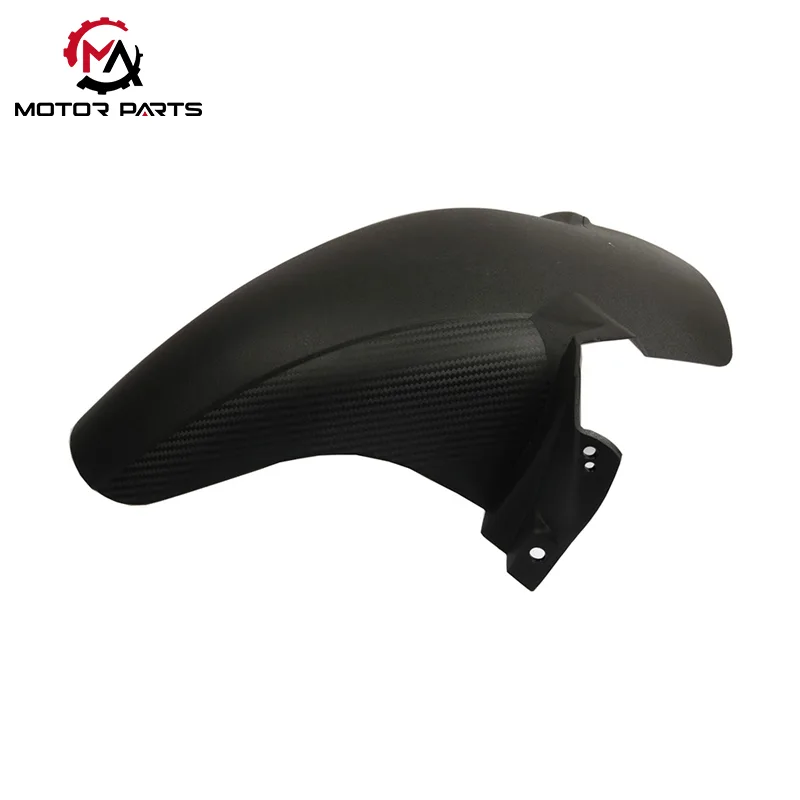
During the operation of the vehicle, it acts as a sturdy barrier, effectively blocking the soil, sand, stones, and other debris rolled up by the wheels, preventing them from splashing onto the body, driver, passengers, and surrounding vehicles. The exquisitely designed mudguard not only blocks mud and water, but also incorporates clever aerodynamic design. Its smooth curved shape can serve as a guiding device, orderly sorting out turbulent airflow during high-speed driving: on the one hand, by optimizing the airflow distribution around the vehicle, the drag coefficient is significantly reduced; On the other hand, it effectively intercepts the turbulent airflow carrying sediment and sewage, avoiding its impact and interference on riders, building a stable air barrier for high-speed cycling, and comprehensively improving the safety and comfort of cycling. The front mudguard can effectively protect the engine and the front of the frame from mud and water erosion, while the rear mudguard can create a clean and tidy environment for rear passengers and vehicles, while also helping to maintain the cleanliness and aesthetics of the vehicle's appearance.