News

How Does Motorcycle Control Cable Performance Affect Riding Safety and Comfort?

2026-01-14 0 Leave me a message

Article Abstract

Motorcycle control cables play a critical role in translating rider input into precise mechanical action. Throttle response, clutch engagement, braking feel, and overall ride smoothness all depend heavily on cable quality, structure, and maintenance. This in-depth article explains how motorcycle control cable performance directly influences riding safety, comfort, and long-term vehicle reliability. It addresses common rider pain points, explores material and design considerations, compares different cable types, and provides practical guidance for selection, installation, and maintenance. 

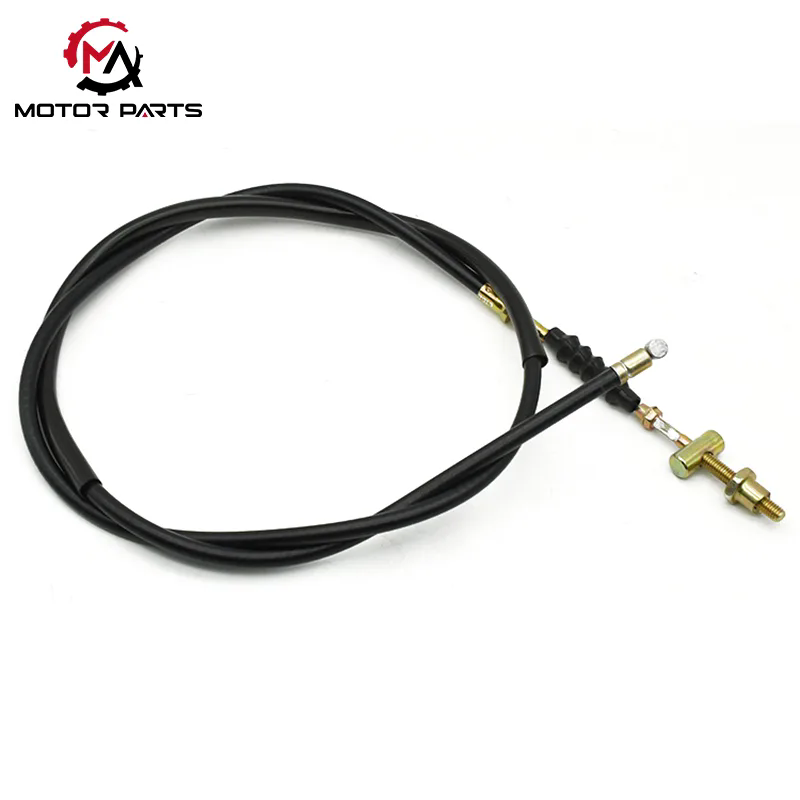
Honda CG125 Motorcycle Brake Cable


Table of Contents


Article Outline

  • Understanding the functional role of control cables
  • Identifying real-world riding and maintenance challenges
  • Analyzing design, materials, and performance factors
  • Comparing cable types and application scenarios
  • Providing actionable guidance for selection and care

What Is a Motorcycle Control Cable

A motorcycle control cable is a flexible mechanical transmission component designed to transfer force or motion from the rider’s control input to a corresponding mechanical system. Common applications include throttle cables, clutch cables, brake cables, choke cables, and speedometer cables.

Unlike electronic systems, control cables rely on physical tension and movement. This makes their precision, friction level, and durability essential. A poorly performing cable can lead to delayed response, uneven power delivery, or even sudden loss of control, especially under demanding riding conditions.


Common Rider Pain Points

Many riders underestimate the importance of control cables until problems arise. The most frequently reported issues include:

  • Stiff or sticky throttle response
  • Inconsistent clutch engagement point
  • Excessive hand fatigue during long rides
  • Premature cable fraying or snapping
  • Poor performance in wet, dusty, or cold environments

These issues often stem from low-quality materials, improper cable routing, inadequate lubrication, or mismatch between cable design and motorcycle model.


Core Structure and Working Principles

A standard motorcycle control cable consists of three main components:

  • Inner Wire: Transmits pulling or pushing force
  • Outer Housing: Provides protection and structural guidance
  • End Fittings: Ensure secure connection to control levers and mechanisms

When the rider actuates a lever or twist grip, the inner wire moves within the housing. Smooth operation depends on low internal friction, precise tolerances, and stable end fittings. Any deformation or corrosion within the system directly affects responsiveness.


Material Selection and Durability

Material choice determines how a motorcycle control cable performs over time. High-quality cables typically use:

Component Common Material Performance Benefit
Inner Wire Stainless or galvanized steel High tensile strength, corrosion resistance
Liner Nylon or PTFE Reduced friction, smoother control
Outer Housing Steel spiral with PVC coating Flexibility and environmental protection

Advanced liners and coatings significantly reduce drag, improving both safety and comfort. This is particularly important for high-performance or long-distance riding.


Types of Motorcycle Control Cables

Different riding functions require specialized cable designs. Common categories include:

  • Throttle Cables: Require precise tension control and low friction
  • Clutch Cables: Designed to handle higher load and repeated actuation
  • Brake Cables: Emphasize strength and minimal stretch
  • Choke Cables: Focus on smooth engagement and resistance to sticking

Each type must match the motorcycle’s geometry and mechanical requirements. Universal solutions often compromise performance if not properly specified.


How to Choose the Right Cable

Selecting the correct motorcycle control cable involves more than matching length. Key factors include:

  • Exact motorcycle make and model compatibility
  • Operating load and frequency of use
  • Environmental exposure conditions
  • Required flexibility and routing path

Professional suppliers such as Max Trading focus on consistent manufacturing tolerances and application-specific designs, ensuring cables meet real-world performance demands rather than generic specifications.


Installation and Adjustment Considerations

Even the highest-quality cable can underperform if installed incorrectly. Best practices include:

  • Avoiding sharp bends and excessive tension
  • Ensuring proper free play at the control lever
  • Securing routing away from heat sources
  • Verifying smooth movement before riding

Correct installation directly impacts service life and rider safety. Improper adjustment is a leading cause of premature cable failure.


Maintenance and Service Life

Routine inspection and maintenance significantly extend cable lifespan. Recommended practices include:

  • Regular visual checks for fraying or corrosion
  • Periodic lubrication where applicable
  • Immediate replacement at signs of stiffness or delay

Proactive maintenance reduces unexpected breakdowns and preserves consistent control feel throughout the riding season.


Frequently Asked Questions

How often should motorcycle control cables be replaced?
Replacement intervals vary by usage and environment, but inspection every riding season is recommended, with replacement at the first sign of wear.

Can a low-quality cable affect riding safety?
Yes. Increased friction or delayed response can lead to poor throttle or clutch control, increasing accident risk.

Are lined cables better than unlined ones?
Lined cables generally offer smoother operation and longer service life, especially in demanding conditions.


Reliable motorcycle control cable performance is essential for safe, predictable riding. From material selection to proper installation, every detail influences how a motorcycle responds to rider input. Max Trading provides purpose-built motorcycle control cable solutions designed for durability, precision, and consistent performance. To learn more about available options or discuss your specific requirements, contact us today and ensure your control systems meet the standards your riders expect.

Related News
Leave me a message
X
We use cookies to offer you a better browsing experience, analyze site traffic and personalize content. By using this site, you agree to our use of cookies. Privacy Policy
Reject Accept