


Max Trading offers the YX140 140cc Complete Pit Bike Engine 4-Stroke Manual Clutch for riders, repair shops, and motorcycle parts distributors seeking a practical powertrain solution for compatible pit bikes. Featuring a four-stroke single-cylinder design, oil cooling, and a four-speed manual transmission, this engine is designed for replacement projects and off-road motorcycle upgrades.
Choosing the right pit bike engine involves more than comparing displacement. Compatibility, power delivery, cooling performance, transmission design, and installation requirements all influence the final result. The YX140 140cc Complete Pit Bike Engine 4-Stroke Manual Clutch combines 140cc displacement, a manual clutch, four-speed gearing, and oil cooling in a complete engine assembly. With a maximum rated power of 7.0 kW and maximum torque of 9.5 N·m, it offers a practical option for suitable small off-road motorcycles. This guide examines its technical specifications, key features, compatibility considerations, installation process, maintenance requirements, and purchasing considerations to help buyers make an informed decision.
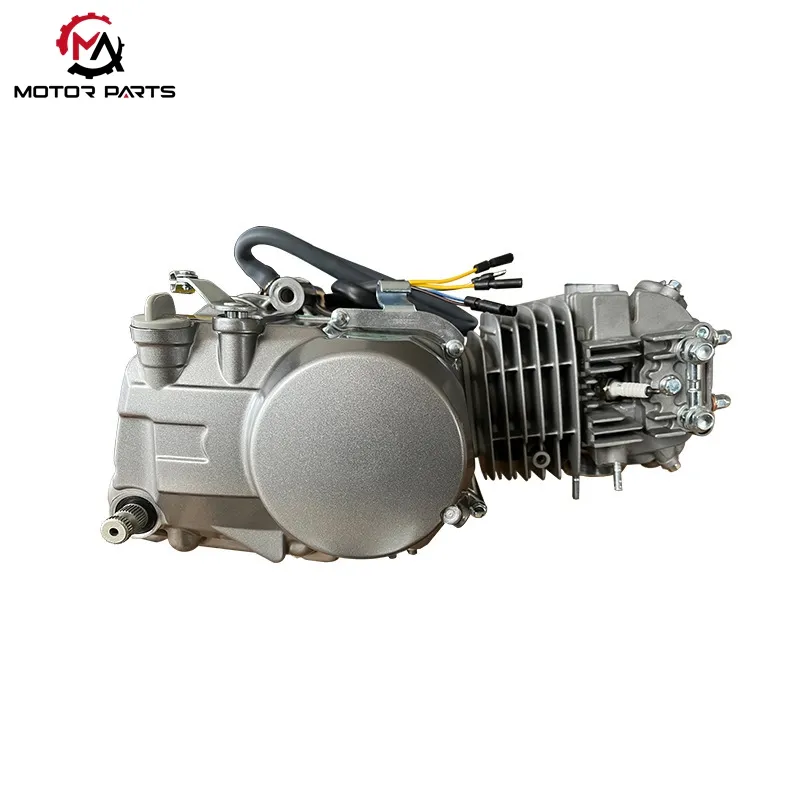
Table of Contents
- What Makes the YX140 Engine Worth Considering?
- YX140 Engine Technical Specifications
- Four Key Features and Performance Benefits
- How to Check Motorcycle Compatibility
- Installation Steps and Important Checks
- Maintenance Tips for Long-Term Performance
- What Should Buyers Consider Before Purchasing?
- Frequently Asked Questions
- Final Thoughts
What Makes the YX140 Engine Worth Considering?
A pit bike engine directly affects acceleration, gear selection, riding response, and the overall usability of a small off-road motorcycle. When an original engine wears out or a rider plans a performance-oriented rebuild, selecting a replacement that matches the motorcycle's frame and drivetrain becomes essential.
The YX140 140cc Complete Pit Bike Engine 4-Stroke Manual Clutch is a horizontal, single-cylinder, four-stroke engine designed for compatible pit bikes and small off-road motorcycles. Its manual clutch and four-speed transmission give riders direct control over gear changes, making it suitable for those who prefer a more involved riding experience.
According to the product specifications published by Max Trading, the assembly includes foot-start components, a shift lever, an intake pipe, sealing gaskets, and a set of mounting bolts. The supplied components can simplify parts preparation, although buyers should verify the complete package contents before ordering.
This engine is particularly worth evaluating for:
- Replacement of a compatible, worn-out pit bike engine.
- Custom small off-road motorcycle builds.
- Workshop repair and engine replacement projects.
- Motorcycle parts distributors sourcing complete engine assemblies.
However, a 140cc engine is not automatically compatible with every pit bike. Frame dimensions, mounting positions, electrical connections, exhaust routing, and drivetrain arrangements must be checked before installation.
YX140 Engine Technical Specifications
Technical specifications provide a useful starting point when comparing replacement engines. The following table summarizes the principal parameters published for the YX140 assembly.
| Specification | Details |
|---|---|
| Product name | YX140 140cc Complete Pit Bike Engine 4-Stroke Manual Clutch |
| Engine type | Horizontal, single-cylinder, four-stroke |
| Displacement | 140cc |
| Cylinder configuration | Aluminum single cylinder, two valves |
| Cooling system | Oil cooled |
| Bore × stroke | 56 mm × 57 mm |
| Compression ratio | 8.8:1 |
| Maximum rated power | 7.0 kW at 8,500 rpm |
| Maximum torque | 9.5 N·m at 5,500 rpm |
| Transmission | Four-speed manual transmission |
| Clutch type | Manual clutch |
| Starting method | Foot start |
| Lubrication | Combined pressure and splash lubrication |
| Net weight | Approximately 23 kg |
| Package dimensions | 500 × 400 × 350 mm |
Note: These figures reflect the manufacturer's published product information. Buyers should confirm the exact engine version, included accessories, and final specifications with the supplier before placing a bulk or replacement order.
The rated power and torque figures help buyers understand the engine's intended performance category. Actual riding performance depends on motorcycle weight, gearing, carburetor setup, exhaust configuration, maintenance, terrain, and rider technique.
Four Key Features and Performance Benefits
1. Four-Stroke Engine Design
The four-stroke configuration is widely used in recreational motorcycles because it offers a familiar operating arrangement and established maintenance practices. Regular oil changes, air-filter servicing, and valve-clearance checks remain important for keeping the engine operating as intended.
2. Oil-Cooling System
The YX140 uses an oil-cooling arrangement designed to help manage engine heat. Combined with its lubrication system, this design supports operation under appropriate riding loads. Cooling performance still depends on correct oil levels, suitable lubricant, unobstructed airflow, and proper maintenance.
For demanding off-road use, riders should avoid assuming that oil cooling eliminates overheating risks. Extended high-load operation, insufficient lubrication, and neglected maintenance can still damage internal components.
3. Manual Clutch and Four-Speed Transmission
A manual clutch allows the rider to control power engagement while selecting gears. The four-speed transmission provides several gear ratios for different riding conditions, including acceleration and moderate-speed trail riding.
Riders who are accustomed to automatic or semi-automatic pit bikes should allow time to learn clutch engagement and gear coordination. Correct clutch adjustment also helps reduce unnecessary wear.
4. Complete Assembly with Supporting Accessories
The supplied engine package is designed to reduce the need to source common installation components separately. The listed accessories include:
- Foot-start assembly.
- Gear shift lever.
- Intake pipe.
- Sealing gasket kit.
- Mounting bolt set.
A complete assembly can make parts planning more convenient for repair shops and individual builders. Nevertheless, items such as carburetion components, exhaust systems, electrical parts, chains, sprockets, and cables may require separate verification or purchase depending on the motorcycle configuration.
How to Check Motorcycle Compatibility
Max Trading identifies CRF50 and XR50 frame applications as compatible targets for this engine. Compatibility should still be confirmed for the specific motorcycle year, frame version, and existing drivetrain configuration.
Before purchasing, check the following areas:
- Mounting points: Compare the engine mounting-hole positions, bolt diameters, and available frame clearance.
- Engine dimensions: Check clearance around the frame, swingarm, intake, exhaust, and surrounding components.
- Drive alignment: Confirm that the countershaft sprocket aligns correctly with the rear sprocket and chain.
- Controls: Verify the clutch cable route, shift lever clearance, and foot-start operating space.
- Fuel and electrical systems: Confirm the required carburetor connections, fuel supply arrangement, ignition components, and wiring.
- Operating requirements: Check applicable noise, emissions, and vehicle-use requirements for the intended location.
Never rely on displacement alone when choosing a replacement engine. If the existing motorcycle has a different engine family or has undergone previous modifications, ask the supplier to confirm compatibility using photographs, measurements, and the original engine identification details.
Installation Steps and Important Checks
Installing a complete engine requires mechanical knowledge and careful attention to safety. If you are unfamiliar with motorcycle powertrain work, have a qualified mechanic perform the installation.
Step 1: Prepare the Motorcycle
Place the motorcycle on a stable stand, switch off the ignition, allow the engine to cool, and secure the vehicle against movement. Disconnect the battery if applicable and follow the motorcycle manufacturer's procedures for fuel handling.
Step 2: Inspect the Frame and Components
Clean the engine mounting area and inspect the frame for damage. Compare the mounting points and available clearance against the replacement engine before removing or modifying any structural components.
Step 3: Position and Secure the Engine
Position the engine carefully, align the mounting holes, and install the correct fasteners. Tighten them to the specifications provided by the motorcycle or engine manufacturer. Do not guess torque values or force misaligned mounting points into position.
Step 4: Connect Supporting Systems
Install the intake, exhaust, fuel, electrical, clutch, shift, and drive-chain components as required by the specific motorcycle. Fit the appropriate gaskets and ensure all connections are secure. Adjust the chain and clutch according to the relevant service instructions.
Step 5: Check Fluids and Conduct Initial Tests
Fill the engine with the recommended oil and verify the level using the correct procedure. Before riding, inspect fasteners, fuel lines, wiring, and other connections. Start the engine in a safe, ventilated area and check for abnormal noise, leaks, and irregular operation.
Follow the manufacturer's break-in recommendations if applicable. Do not begin aggressive riding until the engine, clutch, transmission, and associated systems have been checked and confirmed to function correctly.
Maintenance Tips for Long-Term Performance
Even a well-matched engine requires regular maintenance. Off-road riding can expose the powertrain to dust, vibration, mud, and frequent changes in load, making routine inspections particularly important.
- Engine oil: Check the level regularly and replace the oil at the intervals specified by the manufacturer.
- Air filtration: Inspect and clean or replace the air filter as appropriate for the riding environment.
- Valve clearance: Check and adjust valve clearance according to the service schedule.
- Clutch operation: Inspect free play, engagement, and signs of slipping or dragging.
- Drive chain: Maintain the correct slack, lubrication, and sprocket condition.
- Fasteners and seals: Check for looseness, oil leakage, and damage after demanding rides.
- Unusual symptoms: Investigate hard starting, abnormal knocking, overheating, or sudden changes in performance promptly.
Use the correct lubricants and replacement parts for the specific engine version. Keep a maintenance record to track service dates, replaced components, and recurring problems. This practice is especially useful for workshops managing multiple motorcycles.
What Should Buyers Consider Before Purchasing?
For individual riders, repair workshops, and importers, a good purchase decision balances compatibility, total cost, parts availability, and after-sales support.
| Buying Factor | What to Verify | Why It Matters |
|---|---|---|
| Engine compatibility | Frame mounts, sprocket alignment, and clearances | Reduces installation problems |
| Package contents | Included accessories and separately required parts | Helps estimate the complete project cost |
| Technical specifications | Power, torque, transmission, and engine version | Supports accurate product comparison |
| Replacement parts | Availability of gaskets, clutch parts, and service components | Simplifies future maintenance |
| Shipping | Package dimensions, gross weight, and delivery terms | Improves freight and inventory planning |
| Supplier communication | Technical documentation, warranty terms, and order support | Helps clarify responsibilities before purchase |
For overseas buyers sourcing from a China motorcycle engine supplier, it is advisable to request a written quotation that identifies the engine configuration, included components, packaging, lead time, payment conditions, and warranty coverage. Bulk purchasers should also clarify whether spare parts can be ordered alongside the engine assemblies.
To review the available product details, visit the Max Trading YX140 engine product page and confirm any application-specific questions directly with the supplier.
Frequently Asked Questions
1. What type of motorcycle is the YX140 140cc engine designed for?
The engine is intended for compatible pit bikes and small off-road motorcycles. Max Trading lists CRF50 and XR50 frame applications. Buyers should verify the exact frame, mounting points, drivetrain alignment, and supporting systems before purchasing.
2. What are the rated power and torque of the YX140 engine?
The published specifications list a maximum rated power of 7.0 kW at 8,500 rpm and maximum torque of 9.5 N·m at 5,500 rpm. Actual motorcycle performance depends on installation, gearing, tuning, vehicle weight, and operating conditions.
3. Does the YX140 engine have a manual clutch?
Yes. The listed configuration includes a manual clutch and a four-speed manual transmission. Riders operate the clutch and select gears manually, so correct adjustment and riding technique are important.
4. Is the YX140 engine oil cooled?
Yes. The product description identifies an oil-cooling system and combined pressure-and-splash lubrication. Correct oil selection, oil level, and routine maintenance remain essential for reliable operation.
5. What accessories are included with the complete engine?
The published package information lists foot-start components, a shift lever, an intake pipe, sealing gaskets, and mounting bolts. Confirm the final packing list with Max Trading because additional installation components may depend on the motorcycle configuration.
6. Can a beginner install the YX140 engine?
Installation requires suitable tools, mechanical knowledge, and careful checks of the fuel, electrical, clutch, and drivetrain systems. Beginners should consider using a qualified mechanic and follow the applicable service instructions rather than attempting an unfamiliar installation without assistance.
7. What maintenance does a 140cc four-stroke pit bike engine require?
Routine care generally includes checking engine oil, servicing the air filter, inspecting valve clearance, adjusting the clutch and drive chain, and checking for leaks or loose fasteners. Follow the service schedule for the exact engine model.
Final Thoughts
The YX140 140cc Complete Pit Bike Engine 4-Stroke Manual Clutch combines a four-stroke single-cylinder configuration, oil cooling, manual clutch control, and four-speed gearing in a complete engine assembly. Its published power and torque figures, together with the listed installation accessories, make it worth considering for compatible pit bike replacements and off-road motorcycle projects. The most important steps are to verify fitment, confirm package contents, follow proper installation procedures, and maintain the engine according to the manufacturer's recommendations.
Whether you are replacing an existing engine, preparing a custom pit bike, or sourcing motorcycle components for your business, Max Trading can help you review the product configuration and purchasing requirements. Visit the YX140 140cc engine product page for more information, and contact us to discuss compatibility, accessory requirements, spare parts, and a quotation for your next engine project.