News

How Does Motorcycle Crank Connecting Affect Engine Performance?

2026-01-26 0 Leave me a message

Article Summary

Understanding motorcycle crank connecting is essential for riders, mechanics, and engine builders alike. The crank connecting assembly — composed of the crankshaft and connecting rods — forms the mechanical heart of an engine by converting linear piston motion into rotational torque. Poor crank connecting design or wear can directly impact power delivery, vibration, durability, and overall engine reliability. This article explains structural fundamentals, key performance factors, maintenance best practices, and answers common questions around motorcycle crank connecting mechanisms.

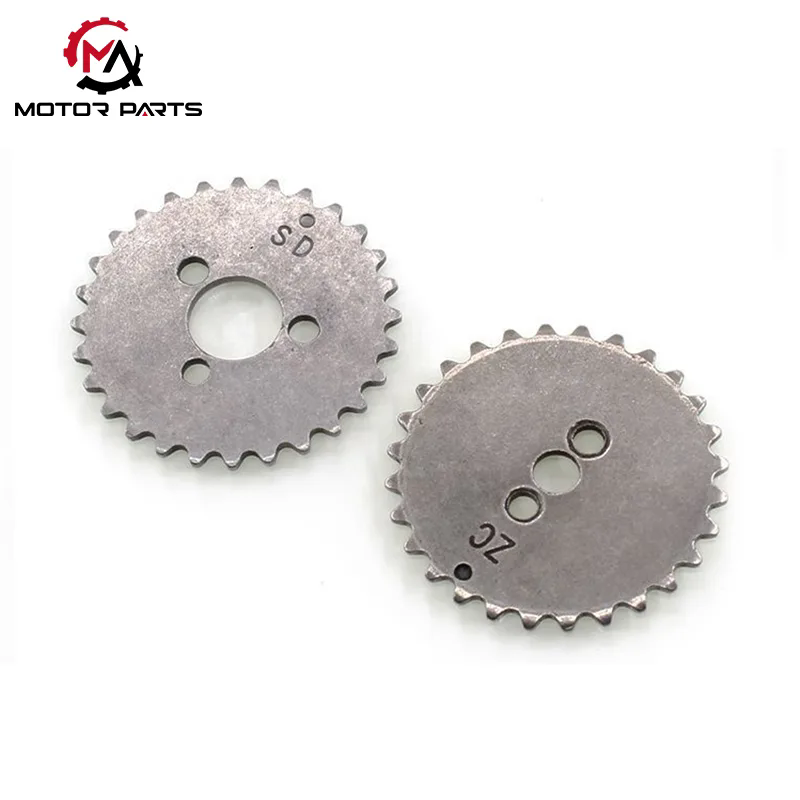
DY100 Motorcycle Timing Gear

Table of Contents


Introduction

Motorcycle crank connecting refers to the relationship between the crankshaft and the connecting rods inside an internal combustion engine. This assembly supports the transformation of linear piston movement into the rotational energy that drives the transmission and ultimately the rear wheel. A crank connecting system must manage immense dynamic loads, repeated stress cycles, and thermal expansion while ensuring smooth torque output. Issues in this area often manifest as vibrations, power loss, knocking sounds, or premature engine wear.


Mechanics of Crank Connecting

The fundamental purpose of a crank connecting mechanism is to transform the up-and-down motion of pistons into rotational motion. This occurs through the crankshaft and connecting rods that attach at journals or crankpins. Each connecting rod has a **big end** that wraps around the crankpin and a **small end** that attaches to the piston via the piston pin. The bearing surfaces between these interfaces reduce friction and support high-speed rotational movement.:contentReference[oaicite:0]{index=0}

During engine operation, as combustion forces the piston downward, the connecting rod transfers these forces to the crankpin. The offset of the crankpin relative to the crankshaft centerline generates a torque that rotates the crankshaft. This energy is then transmitted through the clutch and transmission to the rear wheel. Effective crank connecting design ensures this conversion occurs efficiently and reliably under varying RPMs and loads. :contentReference[oaicite:1]{index=1}

Component Role in Crank Connecting Impact on Performance
Crankshaft Converts linear piston motion into rotation Core to power delivery and torque output
Connecting Rod Transmits piston force to crankshaft Affects engine balance and dynamic loading
Crankpin Bearings Reduce friction between rod and crank Influences wear life and efficiency
Piston Pin Pivot between piston and rod Determines smooth articulation and load transfer

Engineering and Materials

The selection of materials and manufacturing processes for crank connecting components dramatically affects engine performance and longevity. Most connecting rods are forged or precisely machined, then heat treated to achieve a balance of strength and weight. Lightweight yet strong alloys such as chromoly steel or micro-alloyed steels are common. Specialized high-performance applications may use aluminum, titanium, or composite materials to reduce reciprocating mass, which can improve responsiveness at high RPMs. :contentReference[oaicite:2]{index=2}

The crankshaft itself is typically crafted from high-strength steel and may undergo **dynamic balancing** to counteract inertial forces generated during rotation. Precision machining and strict tolerance control help ensure that crankpins and main bearings run true, mitigating vibration and reducing wear. Unsatisfactory machining or material selection can lead to early fatigue, bearing failure, or broken rods — issues that often require engine teardown and costly repairs.


Maintenance and Problem Diagnosis

Proper maintenance of crank connecting assemblies can extend engine life and prevent catastrophic failures. Regular oil changes, using high-quality lubricants, ensure that bearing surfaces are protected and heat is dissipated. Monitoring for abnormal vibration, knocking sounds, or sudden power loss can help detect early wear in bearings or imbalance in the crank connecting system.

  • Oil Contamination: Dirty oil accelerates bearing wear at the big end and crankpin surfaces.
  • Loose Fasteners: Loose rod cap bolts can cause rattling or uneven loading.
  • Imbalance: Unbalanced crankshafts can generate excessive vibration at higher RPMs.
  • Overheating: Excessive engine temperature can distort bearing clearances, leading to accelerated wear.

If any of the symptoms above are present, early diagnosis and corrective action — such as checking bearing clearances or balancing weights — can prevent more extensive engine damage.


Frequently Asked Questions

Q: What is the crank connecting assembly in a motorcycle engine?

A: It is the combination of the crankshaft and connecting rods that attaches pistons to the crankshaft, enabling the translation of reciprocating motion into rotor torque. This assembly is integral to engine function and power transmission.

Q: Why would crank connecting components fail prematurely?

A: Failures can occur due to poor lubrication, material fatigue, imbalance, or insufficient machining tolerances. Regular maintenance and correct operating practices help reduce the risk of premature wear or catastrophic part breakage.

Q: How does material choice affect connecting rods?

A: Strong, fatigue-resistant materials such as forged steel provide durability under high dynamic loads. Lighter alloys can improve performance but require precise engineering to avoid strength trade-offs.

Q: Can imbalanced crank connecting parts cause engine damage?

A: Yes. Imbalance in the crankshaft or connecting rods can generate vibration that leads to rapid wear of bearings and other engine components, ultimately affecting drivetrain health.


Conclusion and Contact Information

The motorcycle crank connecting system is a foundational mechanical structure that directly impacts engine performance, vibration control, and overall durability. A well-engineered crankshaft and connecting rod assembly contributes to smoother torque delivery, higher RPM tolerance, and longer service life. Recognizing the signs of wear and understanding best practices for maintenance helps motorcycle owners protect their investment and enjoy reliable operation.

Max Trading, with deep expertise in engine component design and manufacturing, provides high-quality crank connecting solutions tailored for performance and reliability. For detailed product inquiries, customized solutions, or professional support, please contact us today to explore how Max Trading can support your motorcycle engine needs.

If you need performance parts or technical guidance matched to your motorcycle’s engine specifications, feel free to contact us and get expert assistance and product options.

Related News
Leave me a message
X
We use cookies to offer you a better browsing experience, analyze site traffic and personalize content. By using this site, you agree to our use of cookies. Privacy Policy
Reject Accept