News

​Can Carbon/Ceramics Brake Disc really last a lifetime?

2026-04-27 0 Leave me a message

In some cases, yes!

There are three main types of brake materials currently in use: metal based brake discs、carbon carbon brake discs、and carbon ceramic brake discs.  

Metal based brake discs (with copper/steel fibers accounting for 30-60%) stabilize the friction coefficient in the range of 0.35-0.50 by adding fillers such as graphite and silicon carbide, but the dust emissions can reach 3-5% of the braking stroke.

Brake Disc

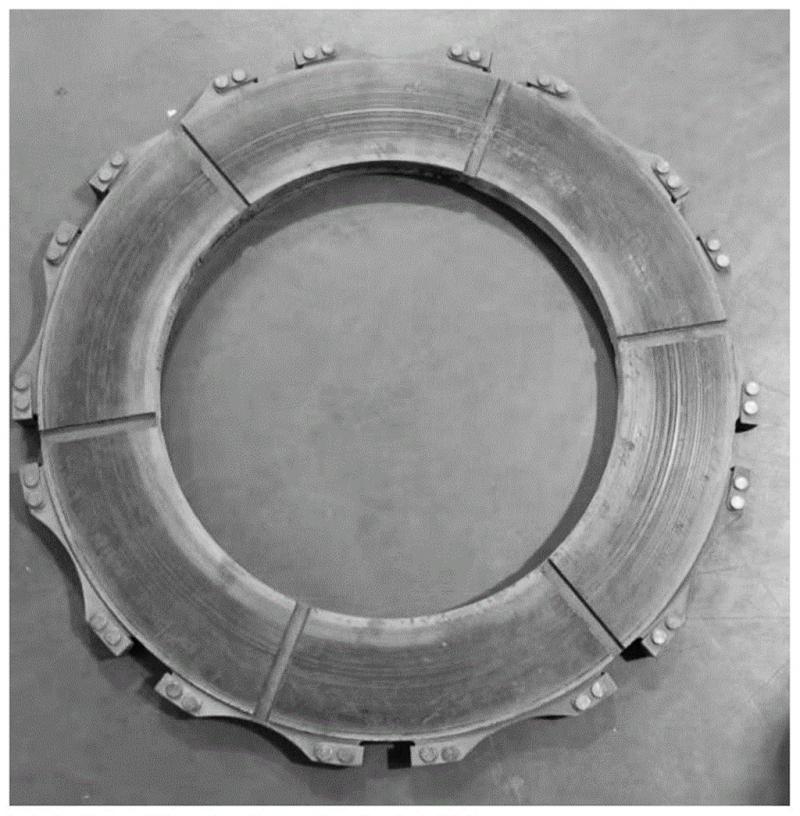
The main characteristics of carbon carbon brake discs

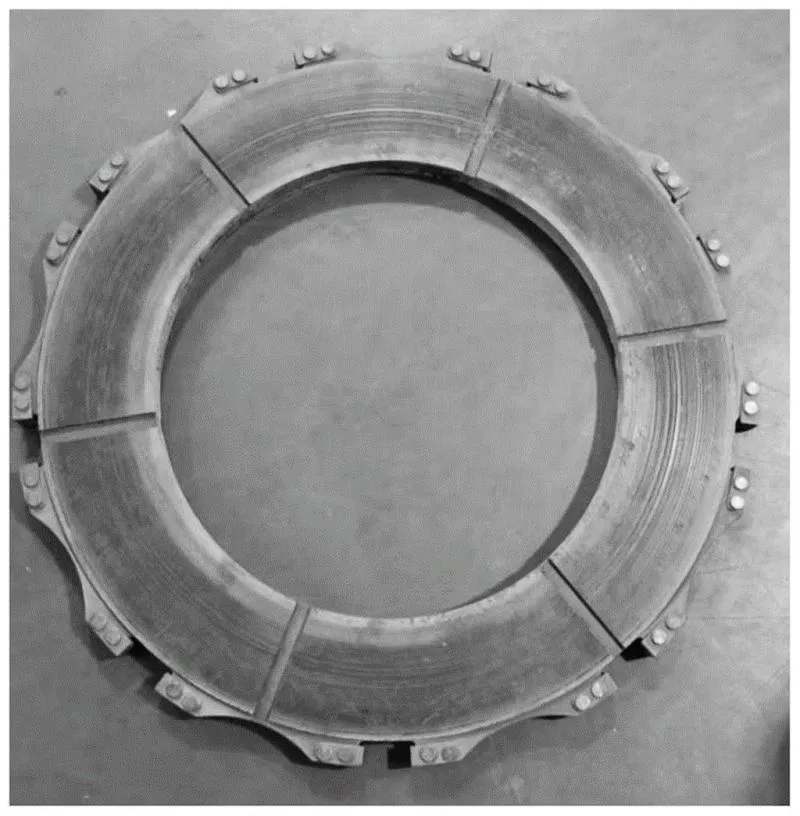
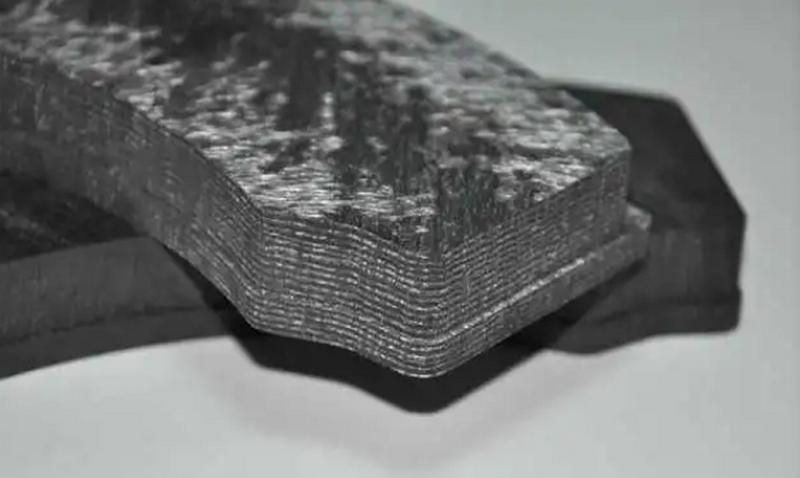
Carbon carbon brake discs have outstanding heat resistance and can withstand temperatures exceeding 2000 ℃ in anaerobic environments. However, under aerobic conditions, oxidation occurs once the temperature exceeds 300 ℃, and oxidation intensifies above 600 ℃. Therefore, coating protection is necessary.

Brake Disc

The main characteristics of carbon ceramic brake discs

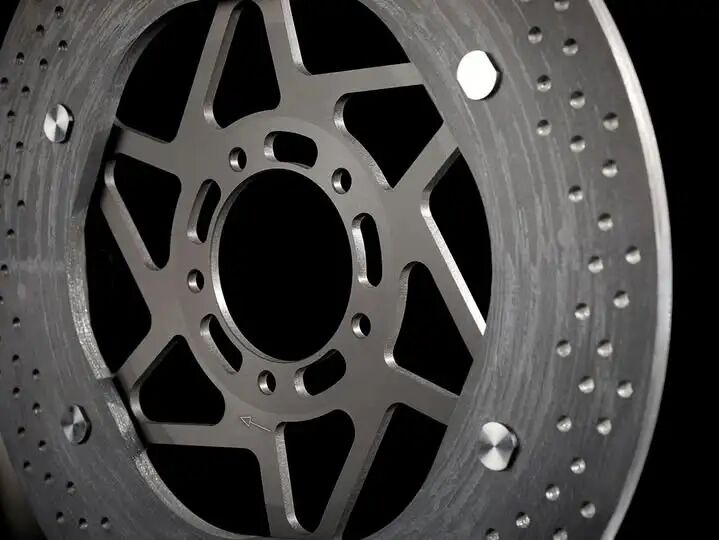
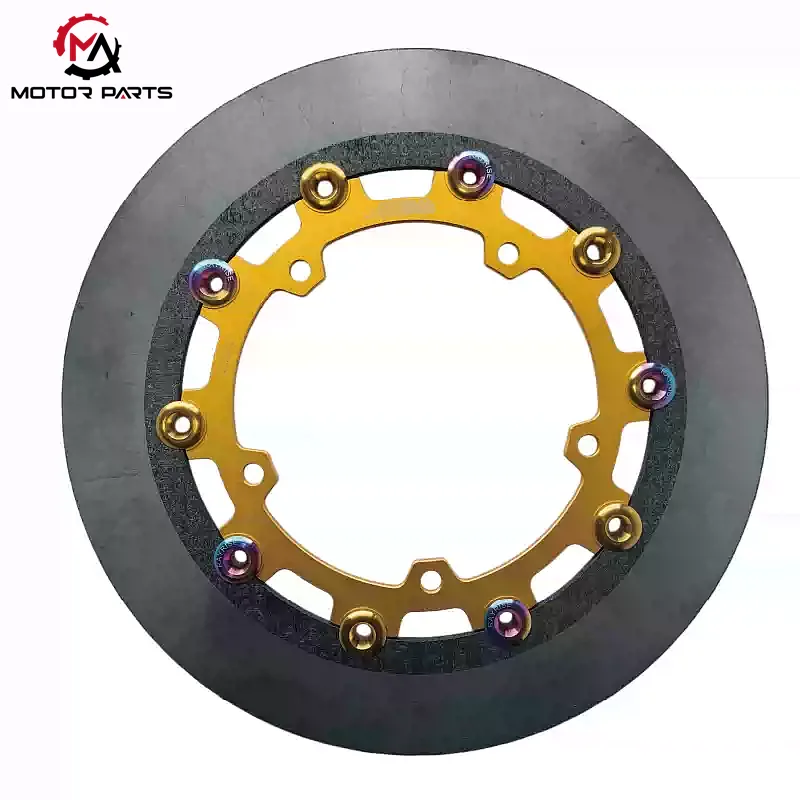
Carbon ceramic brake discs (such as Yamaha XMAX300 YZF-R3 modified CCB carbon ceramic brake disc series products under Max Trading) can work for a long time at 1200-1400 ℃. The ceramic matrix itself has good oxidation resistance, and no additional protection is required below 800 ℃, as if it comes with an "oxygen barrier".

Carbon ceramic brake discs combine the physical properties of carbon fiber and polycrystalline silicon carbide. The elongation at break of C/SiC materials ranges from 0.1% to 0.3%, which is a very high value for ceramic materials. At the same time, due to its lightweight, good hardness, stability under high pressure and high temperature conditions, thermal shock resistance, and wear resistance, it not only extends the service life of the brake disc, but also avoids all problems caused by load.

Brake Disc

Comparison of Carbon Carbon Brake Discs, Carbon Ceramic Brake Discs, and Cast Iron Brake Discs

Carbon carbon brake discs have a lower coefficient of friction at low temperatures and require a certain operating temperature (about 600 ℃) to perform at their best, just like warm-up racers. The carbon ceramic brake discs produced by Max Trading can provide a stable and high friction coefficient (0.3-0.4) from room temperature, and the fluctuation is very small until the high temperature range, with consistent performance, truly achieving "on-demand".

Brake Disc

Both perform similarly in terms of weight reduction, being about 60% -70% lighter than traditional cast iron discs, significantly reducing unsprung mass and having a positive impact on handling and energy consumption. But in terms of service life, carbon ceramic brake discs have a significant advantage, reaching 80000 to 100000 kilometers in daily driving, and wear evenly; Carbon carbon brake discs rely more on the usage environment and cooling conditions, and wear out faster under extreme working conditions.

Brake Disc

Equal cost and value

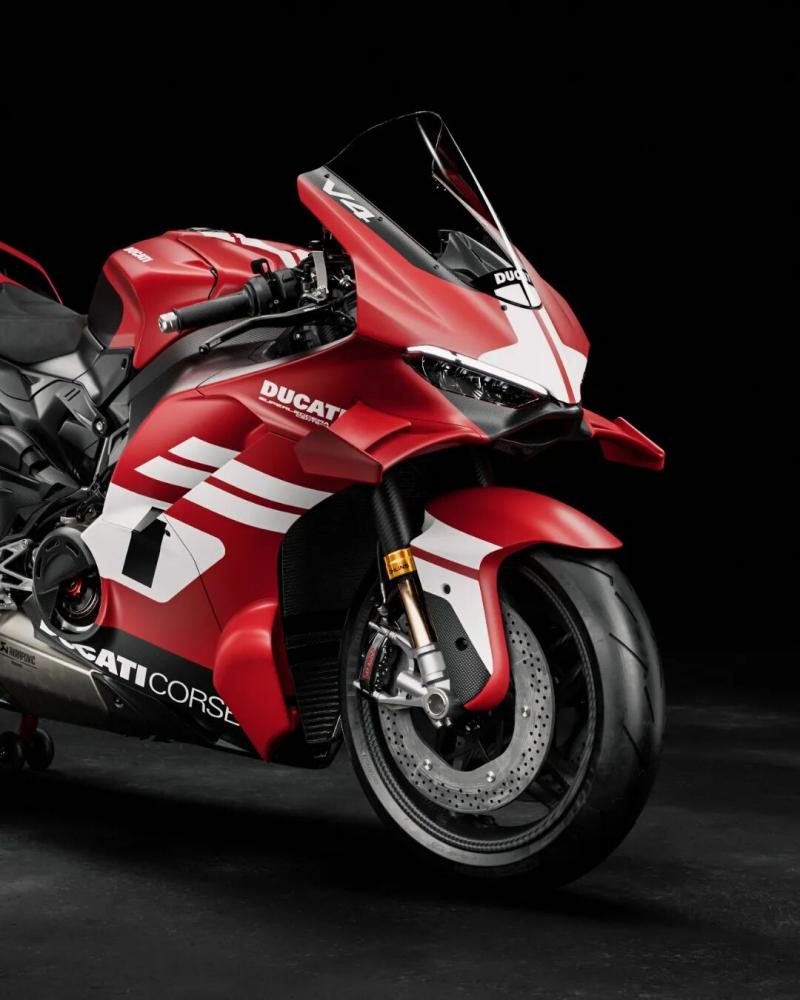
The Yamaha XMAX300 YZF-R3 modified CCB carbon ceramic brake disc production technology is derived from the CCM-R technology used in supercars and has been completely redeveloped for two wheeled vehicles. It has excellent heat resistance and structural stability, and even under long-term high-intensity working conditions, the braking response is rapid, the performance is stable, and the braking force is controllable.

Although the initial cost of carbon ceramic brake discs is high, this can be balanced by the long service life of the brake discs and many other advantages brought by this technology. This largely depends on the consumer themselves - how you plan to use your car and what you value most.

Brake Disc

Returning to our topic, what is the service life of carbon ceramic brake discs?

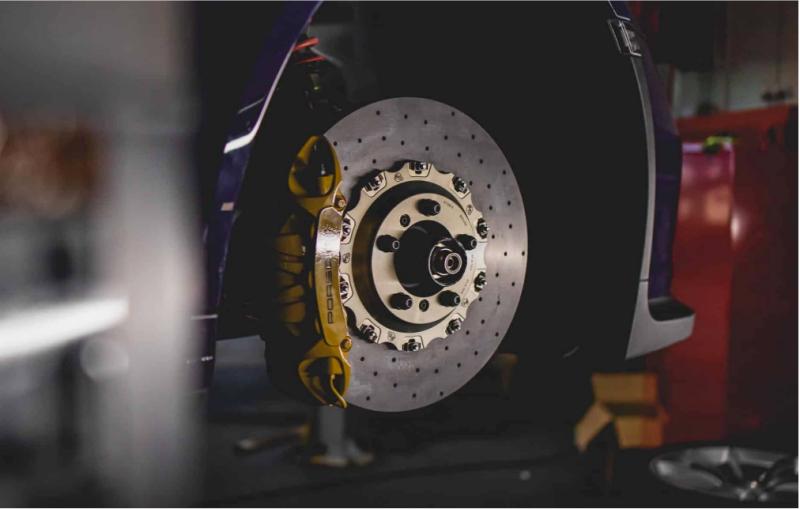
In fact, the degree of wear on brake disc components largely depends on their usage. Assuming the same frequency of use and operating conditions, carbon ceramic brake discs can almost be used for vehicle scrapping in daily driving and not on the track. In daily road driving, the service life of carbon ceramic brake discs is very long.

How to determine if we need to replace carbon ceramic brake discs?

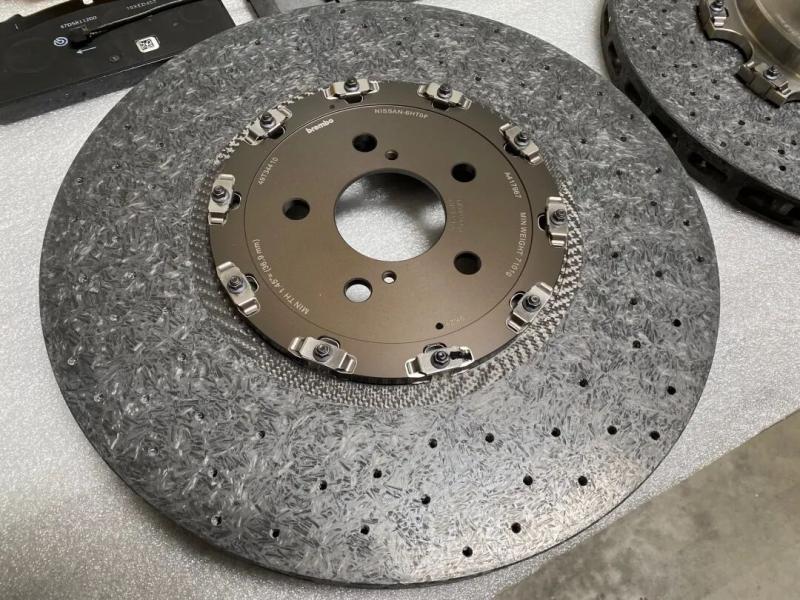
During use, carbon ceramic brake discs will not become thinner due to wear like cast iron brake discs, but their weight will decrease when carbon fibers are ablated. This means that carbon ceramic brake discs will not crack or deform during track use like cast iron brake discs, which is another major advantage of it. Many carbon ceramic brake discs have a minimum weight marked on the "hub", and once the weight of the brake disc falls below this value, it needs to be replaced.

Although brake pads still need to be replaced regularly, the lifespan of brake discs can indeed be astonishingly long, but once it comes to track use, the situation will be completely different.

In frequent high-intensity braking scenarios, the carbon fibers in carbon ceramic brake discs will

Brake Disc

What are the advantages of Yamaha XMAX300 YZF-R3 modified CCB carbon ceramic brake disc compared to regular brake discs?

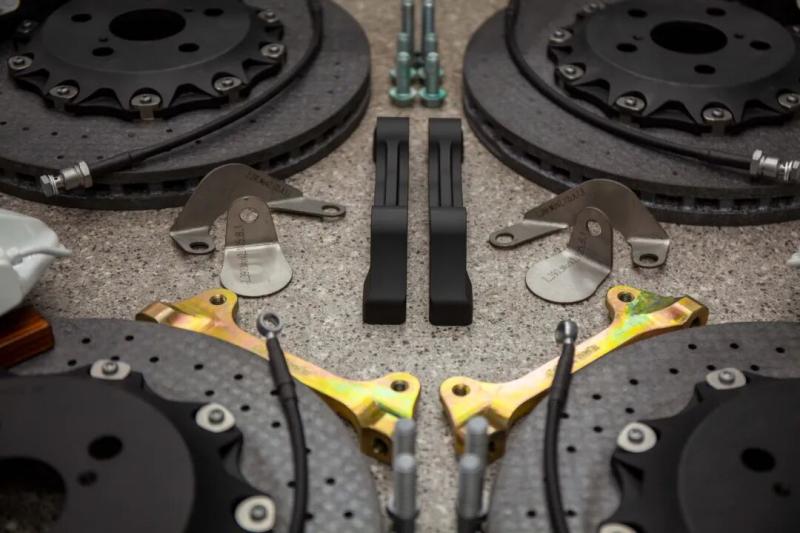
With the characteristics of ceramic material, Max Trading's carbon ceramic brake discs can withstand the high temperatures generated by today's faster, heavier, and more gripping vehicles in extreme braking scenarios.

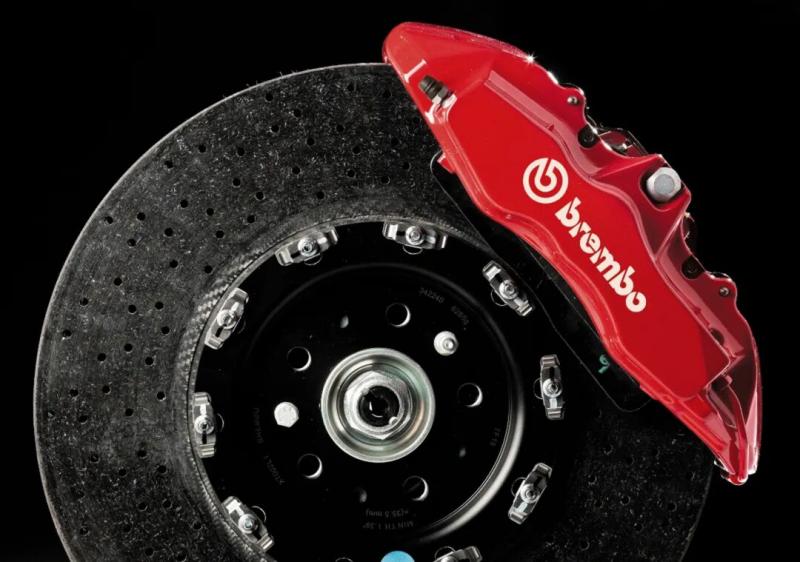
Research from the international brand Brembo

Brembo stated that carbon ceramic brake discs can operate stably within a temperature range of 1000 to 1400 degrees Fahrenheit (approximately 538 to 760 degrees Celsius), and can even withstand temperatures exceeding 1800 degrees Fahrenheit (approximately 982 degrees Celsius).

This is also the reason why carbon ceramic brakes are widely praised on the track for their strong resistance to thermal degradation.

The fact that carbon ceramic brake discs are not homogeneous materials can also have additional effects, as the length, diameter, and arrangement direction of carbon fibers can affect the thermal capacity of the material.

Adding additional coatings and layers can also increase heat capacity, which is why Brembo and SGL Carbon have introduced CCB brakes (with ceramic friction layers on both sides) and CCW brakes (with a five layer carbon ceramic structure).

These designs can reduce the size of components in the braking system, further achieving weight reduction, but the corresponding manufacturing process will be more complex and the cost will be higher.

Brake Disc

Related News
Leave me a message
X
We use cookies to offer you a better browsing experience, analyze site traffic and personalize content. By using this site, you agree to our use of cookies.Privacy Policy
RejectAccept