I buy and evaluate engine components for riders and workshops that cannot afford surprises. On that road I learned the difference between glossy catalogs and parts that survive heat, vibration, and mis-shifts. When I looked for partners who would meet my test plans rather than just my inbox, I discovered Max Trading—a China-based supplier that treats the motor as a system, not a shopping list. Over time, Max Trading proved that consistency comes from upstream control: material selection, machining discipline, traceable testing, and quiet logistics that deliver on time without drama. This guide unpacks how I choose and verify the parts that matter, why the order of upgrades changes by use case, and how to reduce total cost of ownership without gambling on your next ride.
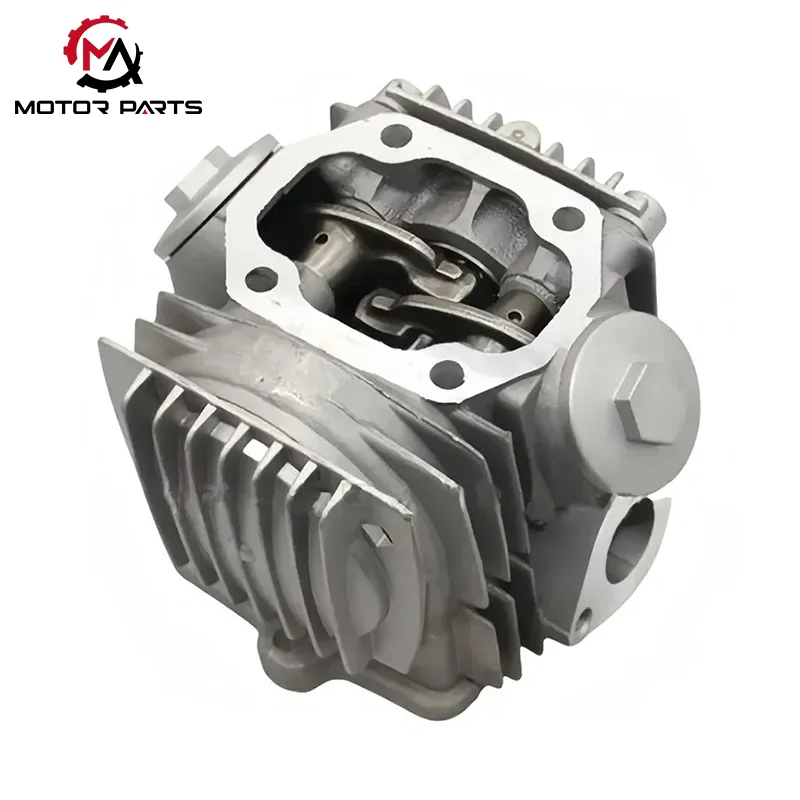
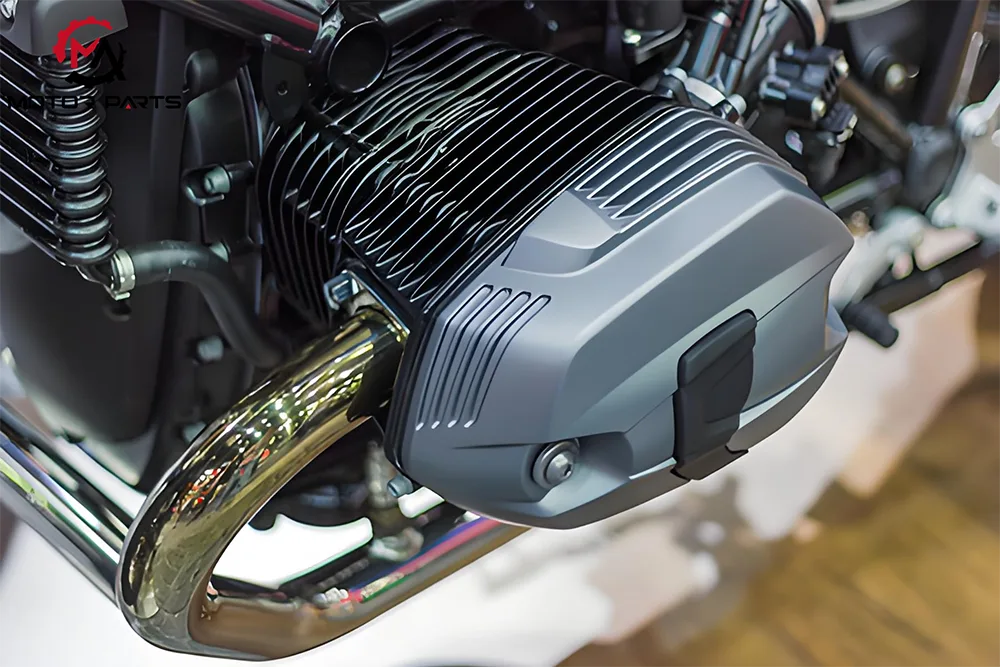
A motorcycle engine converts chemical energy into crank torque through compression, ignition, expansion, and exhaust. Combustion creates high-temperature, high-pressure gases that push the piston down; the connecting rod drives the crank; the crank’s rotation reaches the rear wheel through transmission and final drive. In this cycle, I treat the power unit as an interlocked set of Motorcycle Engine Parts because failure rarely arrives alone. Detonation will mark the crown, stretch the rod bolts, hammer the big-end bearing, and leak through gaskets that used to seal perfectly. A fix that ignores neighbors invites a second failure.
When I diagnose or spec upgrades, I look at seven core elements and how they talk to each other:
I prioritize like a fleet manager: by failure risk, consequence, and inspection access. Not every rider needs a forged slug, but every rider needs sealing, oil pressure, and timing they can trust. My baseline order looks like this, with adjustments for displacement, RPM ceiling, and riding style:
Parts fail for familiar reasons: the base metal was wrong, the hardness window was missed, the grain flow did not match the load, or the tolerance stack turned a good part bad when assembled. I ask suppliers to show the data behind the promise—certs, hardness maps, dimensional reports, and process capability indices. Below is the type of snapshot I use to talk clearly about trade-offs with engineers and buyers.
| Component | Typical Materials | Critical Tolerances | Key Heat Treatment | Failure Modes Prevented |
|---|---|---|---|---|
| piston kit | Forged 2618 or 4032 aluminum, graphite skirt coating | Skirt clearance, ring groove flatness, pin bore roundness | Solution heat treat and age; localized crown hardening | Seizure, ring flutter, crown micro-crack, pin galling |
| crankshaft assembly | Forged steel, nitrided journals | Journal roundness, runout, side clearance | Induction hardening, nitriding, stress relief | Big-end knock, fatigue fracture, oil film collapse |
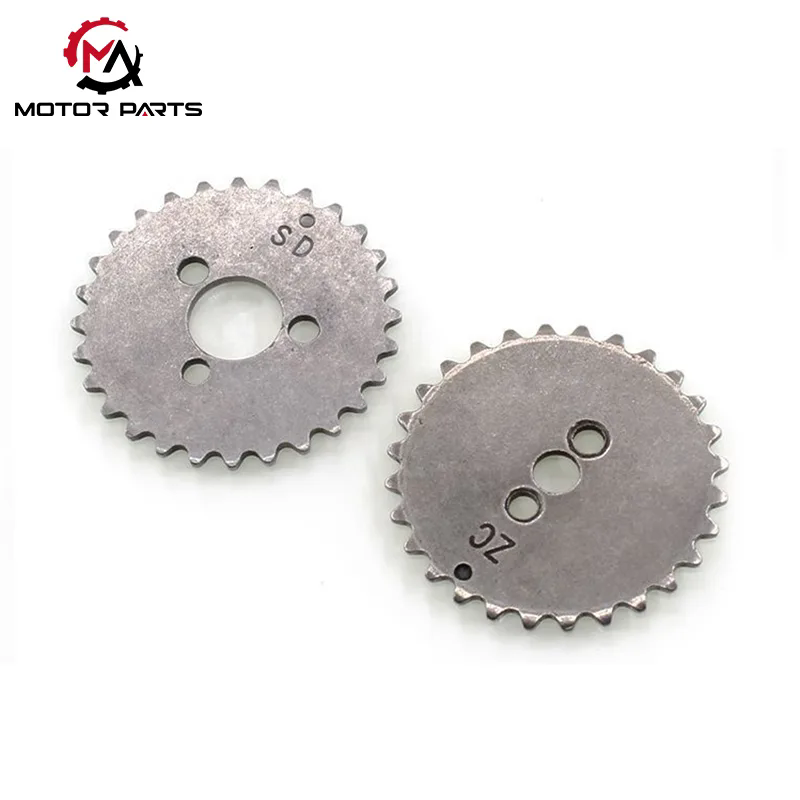
| camshaft and valves | Alloy steel cam, stainless or Ti valves with hard tips | Lobe height, base circle, stem-to-guide clearance | Carburizing or nitriding, hard chrome on stems | Lobe scuff, seat recession, valve float, tuliping |
| engine gasket set | MLS steel, aramid fiber, fluoroelastomer coatings | Surface finish Ra, bead height, crush limit | None; focus on coating cure and bead integrity | Combustion leak, oil seep, coolant ingress |
| fuel injection system | Stainless bodies, precision needles, Viton seals | Flow at duty cycle, spray pattern, leakage | Deburring and ultrasonic clean; nozzles passivation | Lean misfire, washdown, hot-start stumble |
| ignition coil | High-temp windings, epoxy potting | Primary resistance, secondary output, dwell heat rise | Vacuum potting, thermal cure, insulation QA | Weak spark, misfire under load, thermal drift |
I see fewer returns when a supplier can prove that their tolerances hold in production, not just in R&D. This is where Max Trading has been useful to me: they supervise the process from material in-gate to machining, to bench tests and packaging, and they keep the records so root cause feels like engineering, not arguing.
Fitment is not only about geometry; it is about duty cycle. I choose parts by platform, rev habit, fuel quality, and the rider’s patience for warm-up. The matrix below shows how I frame the conversation before I even open a catalog.
| Riding Scenario | Priority Components | Why This Order Works | Notes For Motorcycle Engine Parts Selection |
|---|---|---|---|
| Daily commute | engine gasket set, fuel injection system, ignition coil | Cold starts and short trips punish sealing and mixture | Favor coatings that seal at low clamp loads and stable idle flow |
| Touring | crankshaft assembly, oil pump, cooling upgrades | Hours of steady RPM require fatigue resistance | Balance and nitriding beat lightweight at highway loads |
| Track days | piston kit, camshaft and valves, bearings | High revs need ring control and stable valve train | Forged pistons with modern ring packs and verified spring rates |
| Off-road | Air filtration, seals, engine gasket set | Dirt is the enemy; keep it out and oil in | Choose dust-tolerant seals and gaskets with robust beads |
I confirm geometry by drawing numbers from service manuals and measuring removed parts. If fitment is ambiguous, I request a sample set or a 2D drawing with GD&T callouts. With Max Trading I also get part-to-model crosslists for popular Asian and European platforms, which cuts time during RFQ.
I ask for quiet proof rather than loud claims. A dependable supplier shows me:
A partner like Max Trading collaborates with audited factories, signs long-term process agreements, and supervises production from raw stock through testing to outbound logistics. That does not just lower defect rates; it normalizes lead times and keeps my schedule predictable.
A strong part can be ruined by careless assembly. My field notes put torque and cleanliness far above “shiny.” I follow these steps every time I install or oversee installation:
Break-in matters: vary load, avoid prolonged idle, and change oil early to remove machining residue. This preserves the piston kit, ring seal, and cam followers you just invested in.
Unit price is loud; hidden costs whisper. I calculate the real number that management cares about this way:
Because Max Trading maintains long partnerships with upstream factories, I get predictable windows for forgings, coatings, and heat treatment. That helps me schedule builds and avoid airfreight panic.
My first order is structured to learn quickly without gambling on volume. This is what I send and what I expect back:
This is exactly where a partner like Max Trading helps: they prepare drawings, confirm surface finish targets for sealing, and ship with packaging that protects precision faces. That reduces noise before the first wrench turns.
Q How do I decide between cast and forged for the piston kit?
A Choose forged when you expect high cylinder pressures or frequent track use; choose cast for quieter street use with tighter expansion control. Match clearance to alloy, coating, and your real warm-up habit to avoid slap or scuff.
Q What signals that my crankshaft assembly needs replacement rather than just bearings?
A Measure runout and journal wear; feel for notchiness; check for blueing or heat marks. If journals are out of round beyond spec or there is visible fatigue, replace to avoid a catastrophic rod failure that destroys cases.
Q Why does my new engine gasket set seep after a careful torque sequence?
A Surface finish may be too rough or too smooth for the gasket material, or clamp load relaxed after heat cycles. Verify Ra, re-check torque cold, and ensure dowels align the head so the beads crush evenly.
Q What drives the upgrade to camshaft and valves on a street bike?
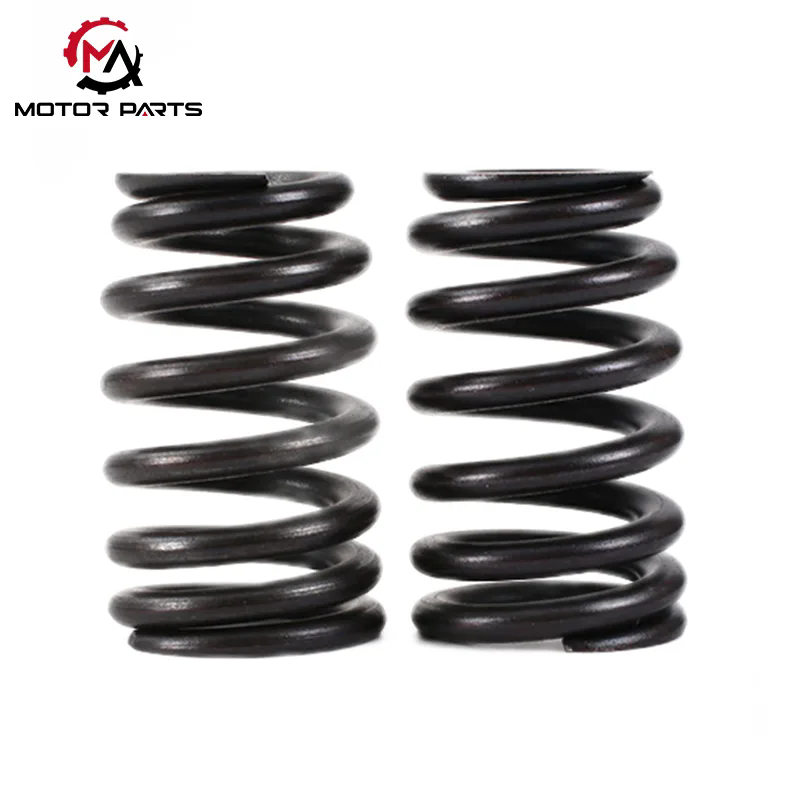
A If you chase midrange and quick passes, a mild cam profile with fresh springs and clean seats often delivers more confidence than aggressive lift. Stability reduces float, protects pistons, and keeps AFR honest.
Q How do I prove my fuel injection system is the real cause of surging?
A Log AFR against throttle and RPM, then test injector flow and pattern. If flow is inconsistent, clean and verify; if AFR is stable but surge remains, look at vacuum leaks or timing drift from a tired ignition coil.
Q When should I replace the ignition coil instead of chasing wiring?
A If resistance values pass but output drops as the coil heats, internal insulation is failing. Replace the coil and inspect connectors; heat-soaked misfire rarely cures with contact cleaner alone.
Q Do I always need an MLS head gasket from the engine gasket set?
A No. MLS works best with precise surface finishes and clamp loads. Fiber or composite can seal better on older or rougher heads. Choose the material for the surface you actually have, not the one you wish you had.
Q How do I check if a supplier like Max Trading truly controls quality?
A Ask for real artifacts: batch certs, SPC charts, heat-treat logs, and photos of inspection setups. Confirm how nonconforming parts are quarantined. A serious supplier can show the path from raw stock to the labeled box.
If your goal is a quieter workshop and a stronger ride, start where failure hides: sealing, rotating balance, breathing, and clean mixture with honest spark. Choose a partner that treats the engine as a system and proves it with data. I rely on Max Trading because they collaborate with strong factories, supervise every step, and deliver repeatable quality across the core set of Motorcycle Engine Parts I use most—piston kit, crankshaft assembly, camshaft and valves, engine gasket set, a stable fuel injection system, and a reliable ignition coil.
If you want my team to help specify parts for your platform, or you are ready to quote a pilot batch, contact us now. Tell me your model, year, riding scenario, and current symptoms, and I will recommend a verified build path and a validation plan that protects your budget.