Max Trading has been deeply involved in the Chinese motorcycle parts market for over ten years. With the iteration and innovation of technology, the motorcycle air distribution system is accelerating towards lightweight, high-precision, and intelligent direction.The technological innovation of the air distribution system is a key tool for Max Trading to break through the emerging market.
The air distribution system of motorcycle engines, is one of the core parts to ensure efficient operation of the engine, is important in the entire power system. It is like the "respiratory system" of motorcycle engine, and its working principle is to control the timing, duration, and lift of the opening and closing of the intake and exhaust valves, so as to reach the regular entry of combustible mixture and the discharge of exhaust gas. This process directly affects the power output, fuel economy, and emission performance of the engine. For example, during high-speed operation, a reasonable valve system can ensure that more combustible mixture enters the cylinder, allowing the motorcycle engine to unleash strong power; When driving at low speeds, precise valve control can optimize combustion efficiency, cut down fuel consumption and harmful gas emissions.
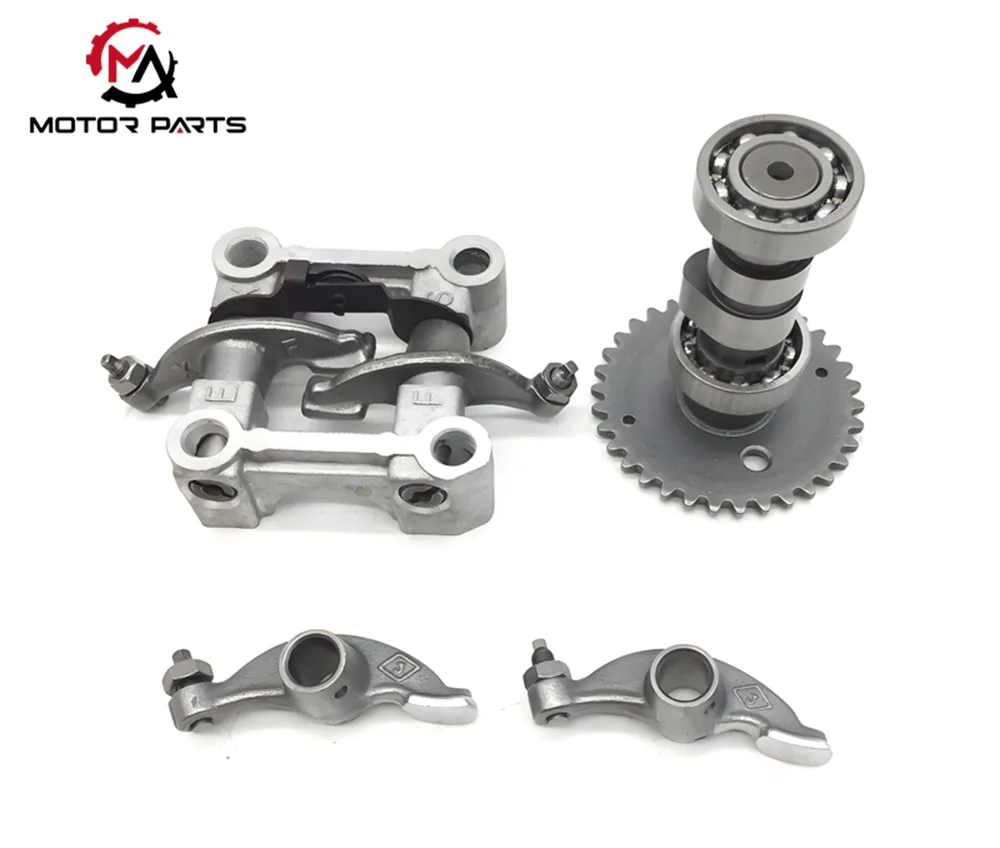
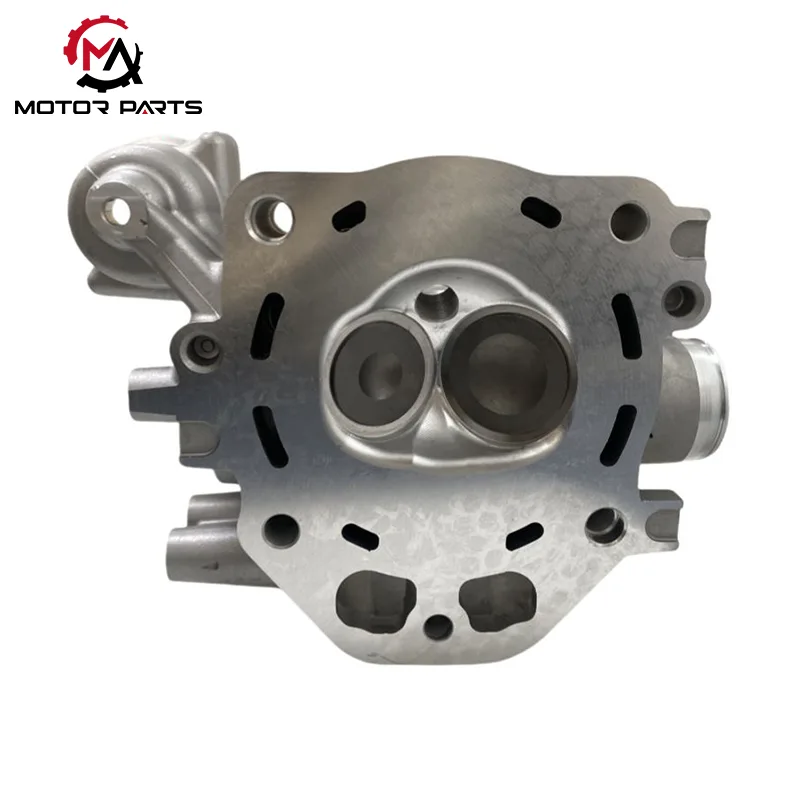
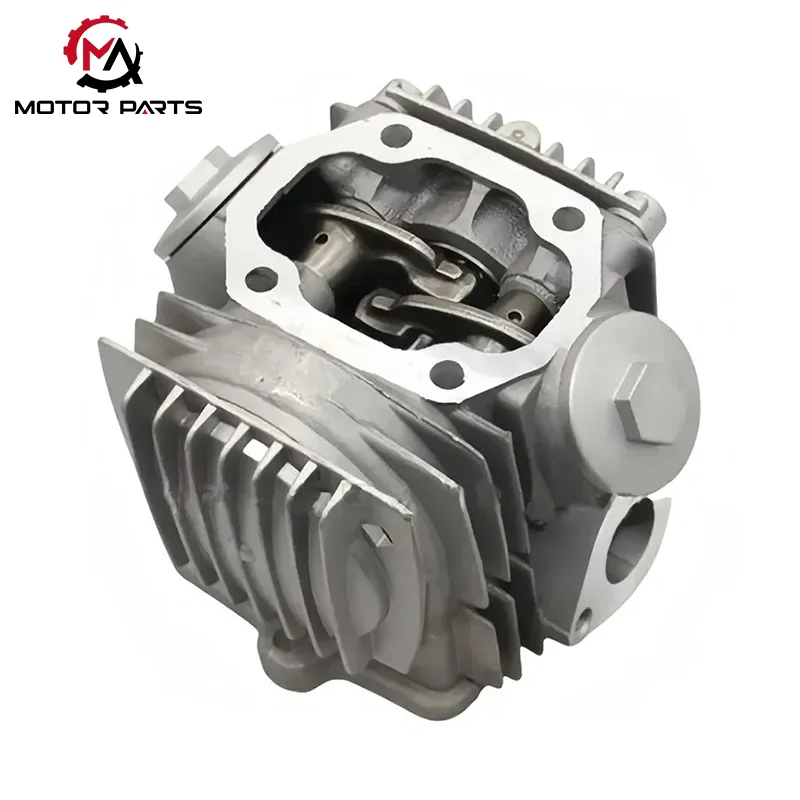
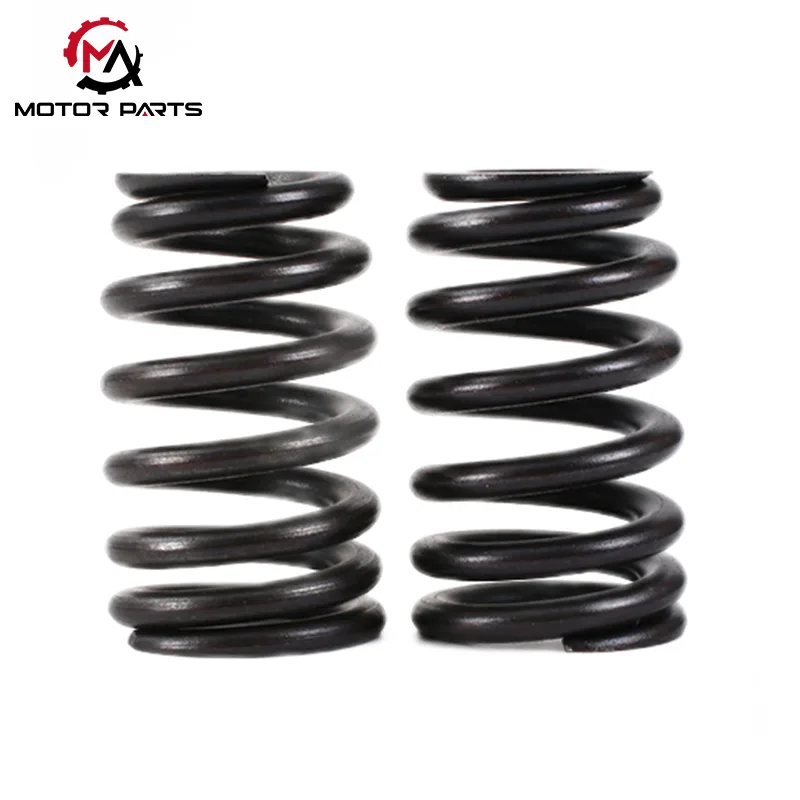
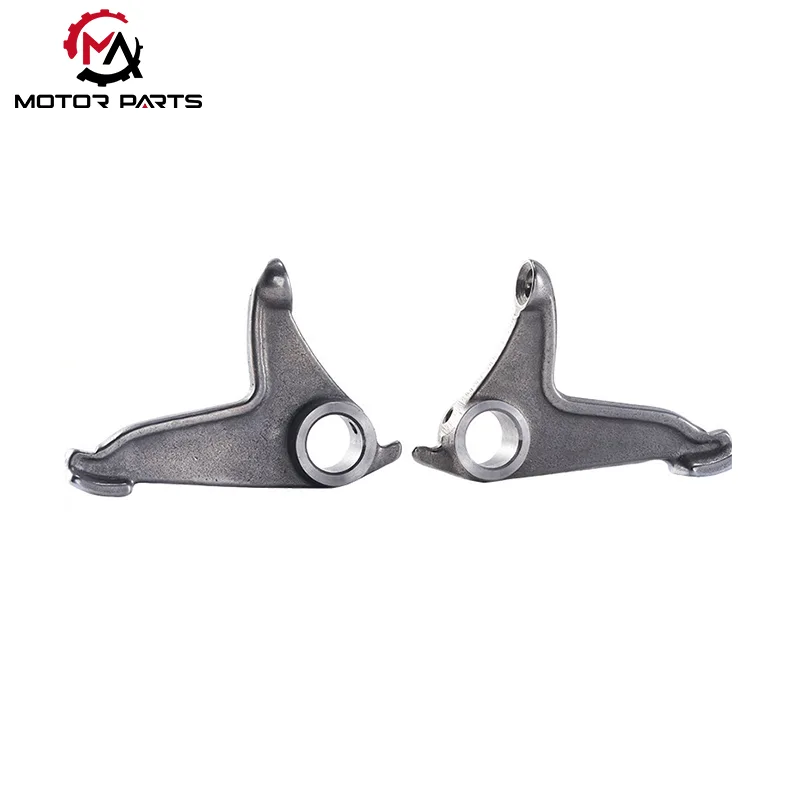
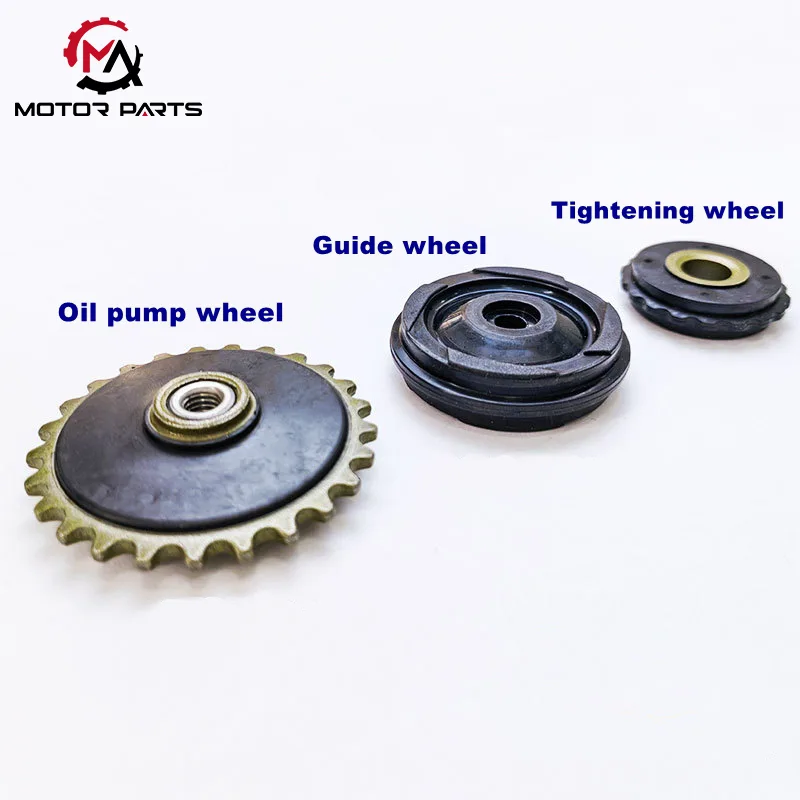
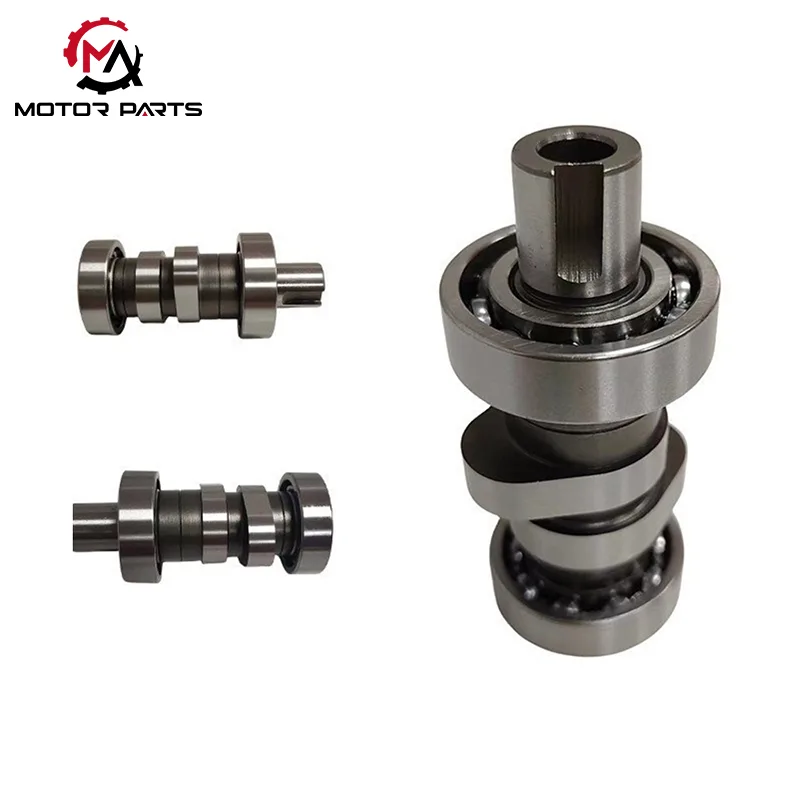
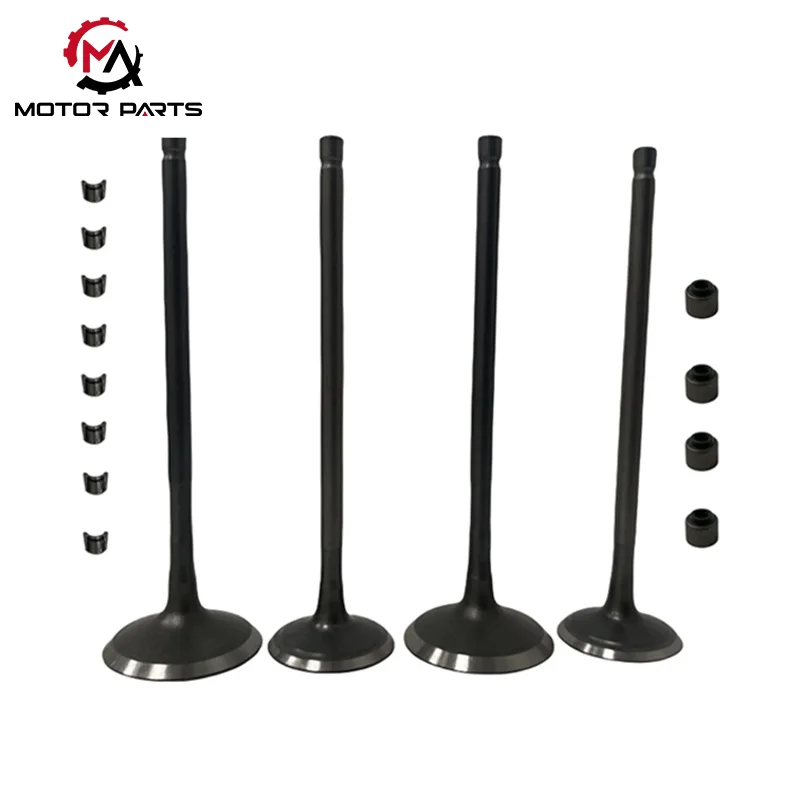
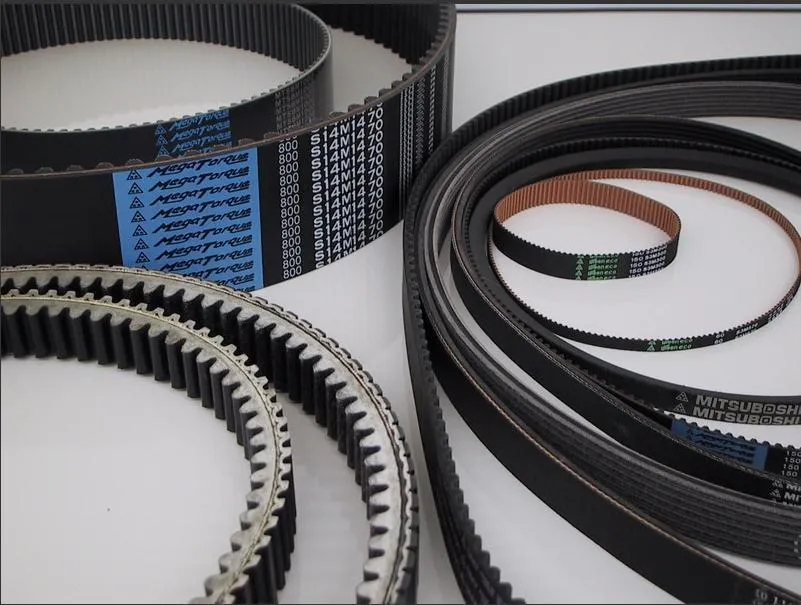
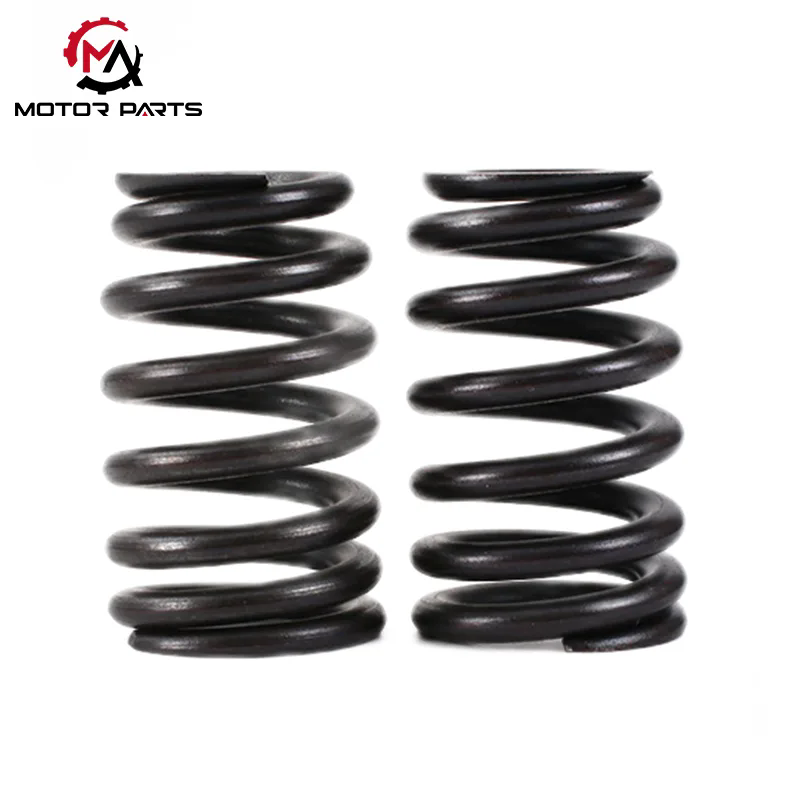
The air distribution system of motorcycle engine mainly consists of two components, namely the valve group: the intake valve, the exhaust valve, the valve guide, the valve oil seal, the valve spring, and the locking clip, which are responsible for sealing the combustion chamber and guiding the airflow. Transmission group: including motorcycle camshaft, motorcycle rocker arm, motorcycle push rod, motorcycle timing chain (or belt) and motorcycle tensioning mechanism, which converts the rotational motion of the camshaft into the reciprocating motion of the valve.
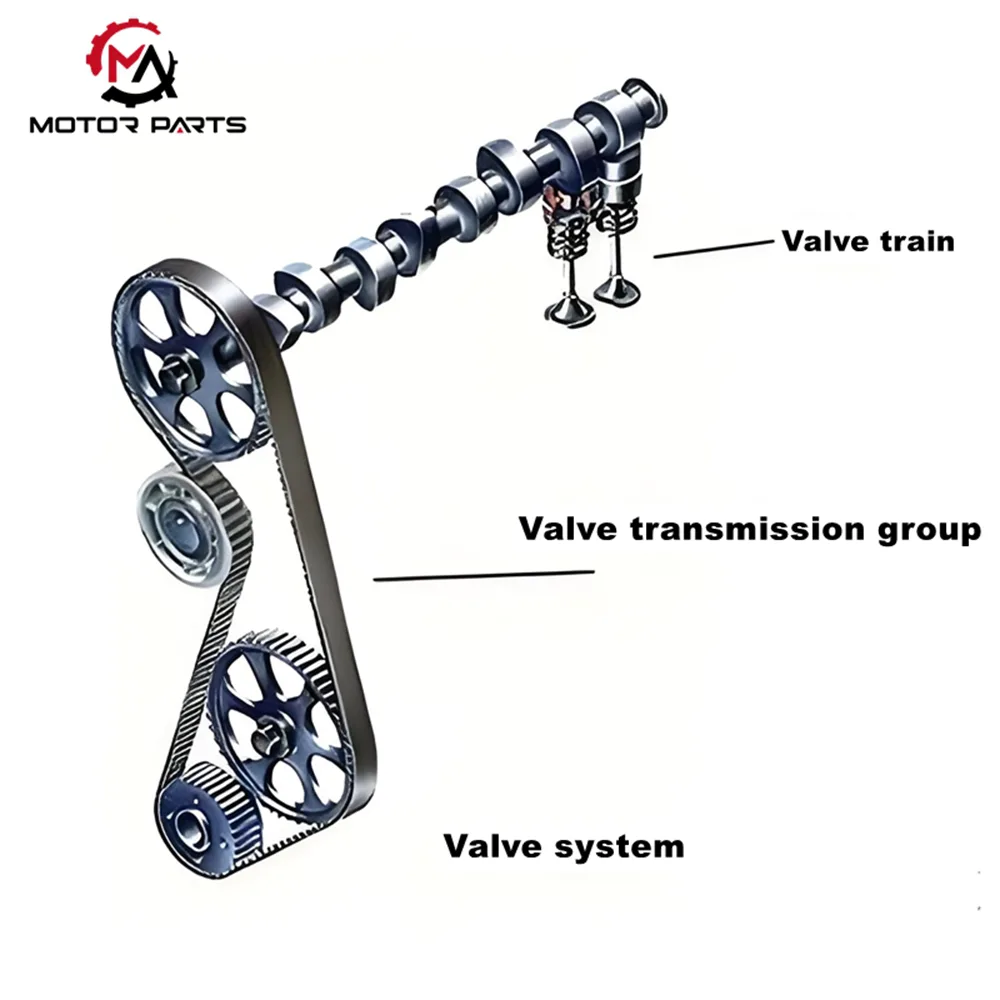
As the core execution unit of the internal combustion motorcycle engine valve train, the valve transmission group achieves precise opening and closing control of the valves periodically based on the timing requirements of the engine working cycle and valve timing. The motorcycle camshaft, with its specific contour curve, becomes the core element of valve motion control. Its contour parameters directly determine the timing, duration, and lift curve of valve opening, which in turn affects the intake efficiency and exhaust effect of the motorcycle engine. In engineering applications, there are differences in camshaft design due to vehicle positioning and performance requirements: high-performance racing engines commonly use high cam profile designs to imcrease intake charge and combustion efficiency, to achieve valve lift and longer opening duration; The practical motorcycle engine for urban commuting optimizes the cam profile parameters to ensure low-speed torque output while improving fuel economy.
The valve arrangement of motorcycle engines is distinguished on the basis of the camshaft layout and number of valves:
Layout according to camshaft
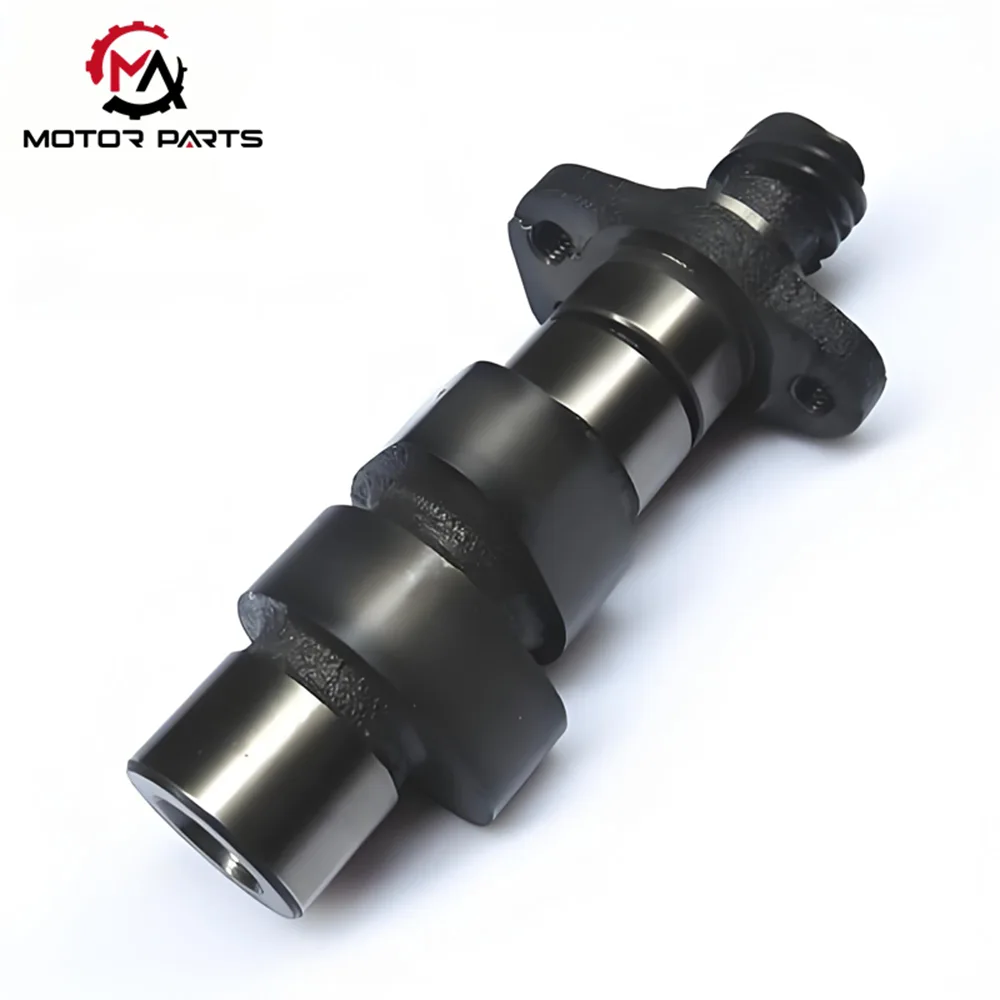
OHV (top rod type): The motorcycle camshaft is located in the crankcase and pushes the valves through the tappet. The structure is simple and has low torsional strength, but its high-speed performance is limited, making it suitable for low-speed vehicle models.
OHC (chain/overhead camshaft):
SOHC (Single overhead camshaft): A single motorcycle camshaft controls the intake and exhaust valves, balancing cost and low-speed response, making maintenance convenient.
DOHC (Double overhead camshaft): The dual motorcycle camshaft controls the intake and exhaust valves separately, with high precision and support for high-speed output, and can be adapted to variable valve technology.
According to the number of valves
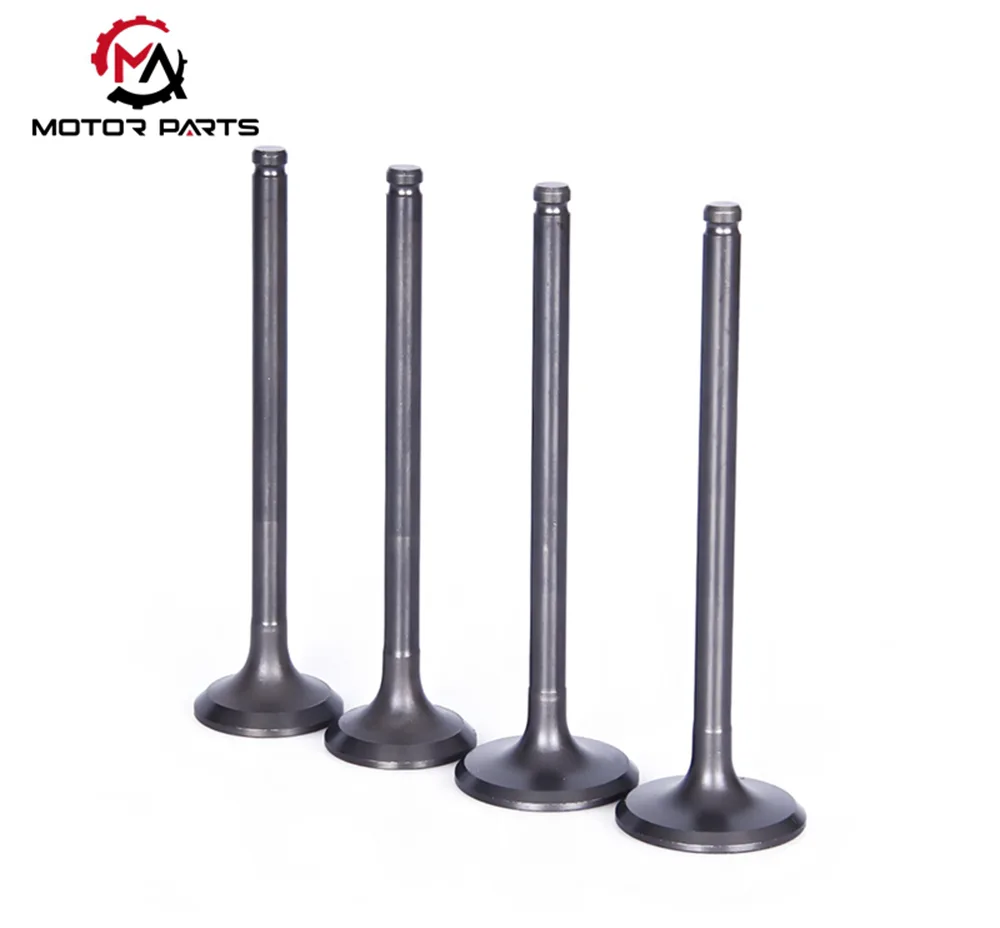
Two motorcycle valves (one in one row): simple structure, low torque and abundant, high economy.
Four motorcycle valve (two in, two out): improves intake and exhaust efficiency, optimizes high-speed power, but may result in insufficient combustion at low speeds.
Variable motorcycle valve technology: dynamically adjusting valve opening or timing to balance performance across the entire speed range, representing future trends.
Max trading uses lightweight materials such as carbon fiber composites and titanium alloys to create core components such as valves and camshafts, effectively reducing motion inertia and significantly improving valve response speed and work efficiency; By using advanced CNC machining technology, the fitting accuracy between the valve and the valve seat can be controlled at the micrometer level, greatly improving the sealing performance and effectively reducing air leakage losses. Driven by the global "dual carbon" goal, emerging markets such as Southeast Asia and South America have successively introduced strict motorcycle emission standards and fuel economy regulations. Especially with the breakthrough application of electronic control valve system, relying on real-time monitoring of engine operating conditions by sensors, the thermal efficiency of the engine has been improved by 12% -15%, and the emissions of exhaust pollutants have been reduced by more than 30%. By dynamically adjusting the valve timing through the ECU, the motorcycle engine can automatically refine the intake and exhaust parameters in different driving states such as starting, cruising, and acceleration, achieving the balance between power output, fuel economy, and emission control. This type of technologically advanced motorcycle product, with its excellent environmental performance, has successfully passed various countries' access certifications, building a core competitive advantage for Max Trading and numerous cooperating foreign enterprises to open up blue ocean markets.