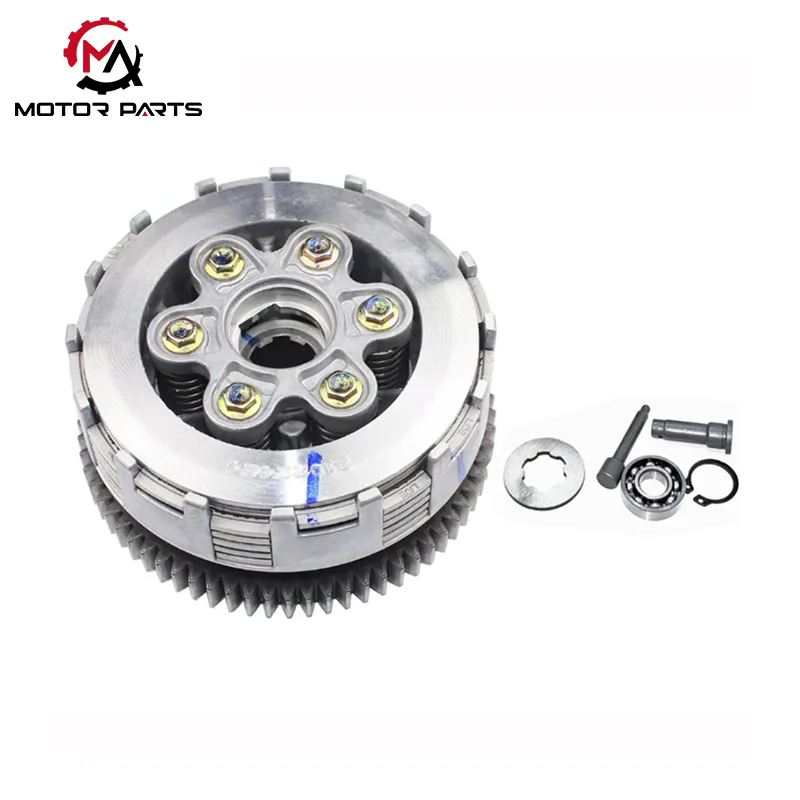
This comprehensive guide provides detailed insights into Motorcycle Clutch systems, exploring how they operate, their critical specifications, and the factors influencing their selection. It is designed for riders, mechanics, and enthusiasts seeking in-depth knowledge about clutch performance, types, and maintenance. Additionally, this article addresses frequently asked questions to clarify common technical uncertainties, helping users make informed decisions when selecting a motorcycle clutch.
The motorcycle clutch is a pivotal component in the drivetrain system, allowing controlled transmission of engine power to the rear wheel. By engaging and disengaging the engine from the gearbox, it ensures smooth acceleration, precise gear shifts, and overall ride stability. Modern motorcycles utilize clutches that vary in design, including wet, dry, and centrifugal types, each optimized for specific performance demands.
The central objective of this article is to provide an extensive examination of Motorcycle Clutch mechanisms, their specifications, operational differences, and selection criteria. By understanding these factors, riders can enhance vehicle performance, extend clutch lifespan, and achieve superior handling.
| Specification | Detail |
|---|---|
| Type | Wet, Dry, Centrifugal |
| Material | High-strength steel, friction plates, composite fibers |
| Plate Diameter | 100-160 mm (varies by model) |
| Number of Plates | 3-7 friction plates depending on torque rating |
| Actuation | Cable, hydraulic, or mechanical lever system |
| Torque Capacity | 40-200 Nm depending on engine size |
| Recommended Maintenance Interval | 10,000-20,000 km or as per manufacturer |
Motorcycle clutches are engineered for specific engine configurations and riding styles. Understanding the types can assist in selecting the clutch that maximizes efficiency and longevity.
Wet clutches operate submerged in engine oil, offering smooth engagement and enhanced cooling. These are widely used in high-performance and multi-cylinder motorcycles due to their durability and reduced wear.
Dry clutches operate without oil lubrication, resulting in direct power transmission and minimal slippage. While they provide high efficiency and tactile feedback, they may wear faster and produce more noise compared to wet clutches.
Centrifugal clutches automatically engage with engine RPM, making them suitable for scooters, beginner motorcycles, and small displacement engines. They simplify operation but may lack precise control under high-performance riding.
Selecting the appropriate clutch involves analyzing several technical and practical factors. The following aspects are critical for informed decision-making:
Considering these factors ensures the chosen clutch meets operational demands while enhancing overall motorcycle performance. Consulting detailed manufacturer specifications and comparing friction plate materials and torque ratings is advised before final selection.
Q1: How often should a motorcycle clutch be replaced?
A1: Clutch replacement frequency depends on riding habits, load, and clutch type. Typically, wet clutches last 40,000-60,000 km, while dry clutches may require replacement every 20,000-40,000 km. Regular inspection of plate wear and adjustment of clutch free play is recommended to prevent premature failure.
Q2: What causes a motorcycle clutch to slip?
A2: Clutch slipping occurs when friction between plates is insufficient to transfer engine power. Common causes include worn friction plates, incorrect cable adjustment, contaminated oil, or overheating. Identifying and addressing the root cause promptly prevents further drivetrain damage.
Q3: Can a motorcycle clutch be upgraded for better performance?
A3: Yes, upgrading a clutch involves selecting high-performance friction materials, reinforced springs, or multi-plate designs. These modifications enhance torque handling, reduce slippage, and improve responsiveness. Proper installation and compatibility verification with the engine and gearbox are essential.
Q4: How does the actuation system affect clutch performance?
A4: Cable-operated clutches are simpler and easier to maintain but may require frequent adjustment. Hydraulic clutches provide consistent engagement, reduced lever effort, and smoother operation, particularly beneficial for larger displacement motorcycles.
Understanding the technical specifications, types, and maintenance requirements of Motorcycle Clutch systems is crucial for any rider or mechanic aiming to optimize motorcycle performance. By analyzing torque requirements, plate materials, actuation systems, and riding styles, one can ensure proper clutch selection that enhances durability and ride experience.
Max Trading offers a wide range of high-quality Motorcycle Clutch components, combining durability, precision engineering, and compatibility with multiple motorcycle models. Their products are designed to meet rigorous standards, ensuring reliable performance under varied riding conditions.
For more detailed information and to explore the full range of motorcycle clutches, please contact us.