News

How Does a Motorcycle Crank Connecting System Influence Engine Performance?

2025-12-29 0 Leave me a message

Article Abstract

A motorcycle crank connecting system is a core mechanical assembly that directly determines how effectively engine power is generated and transmitted. This article provides a structured and technical overview of Motorcycle Crank Connecting components, explaining how they operate, how they are engineered, and how they evolve alongside modern motorcycle engines. The discussion focuses on structural design, operating principles, material specifications, performance relevance, and future development trends, while also addressing common technical questions frequently raised by engineers, mechanics, and procurement professionals.

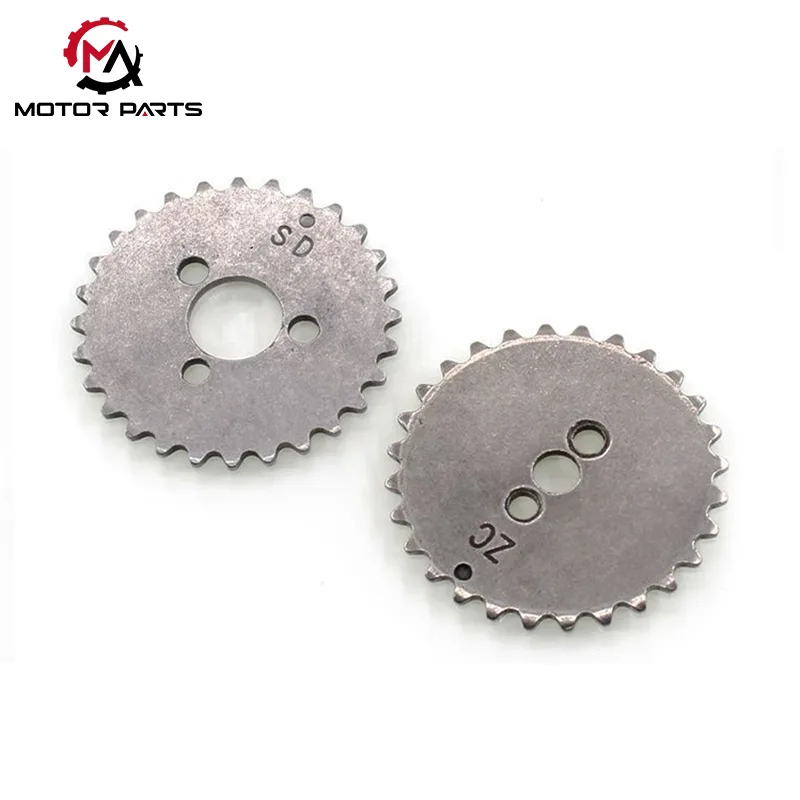
DY100 Motorcycle Timing Gear


Table of Contents


1. How Is a Motorcycle Crank Connecting System Defined?

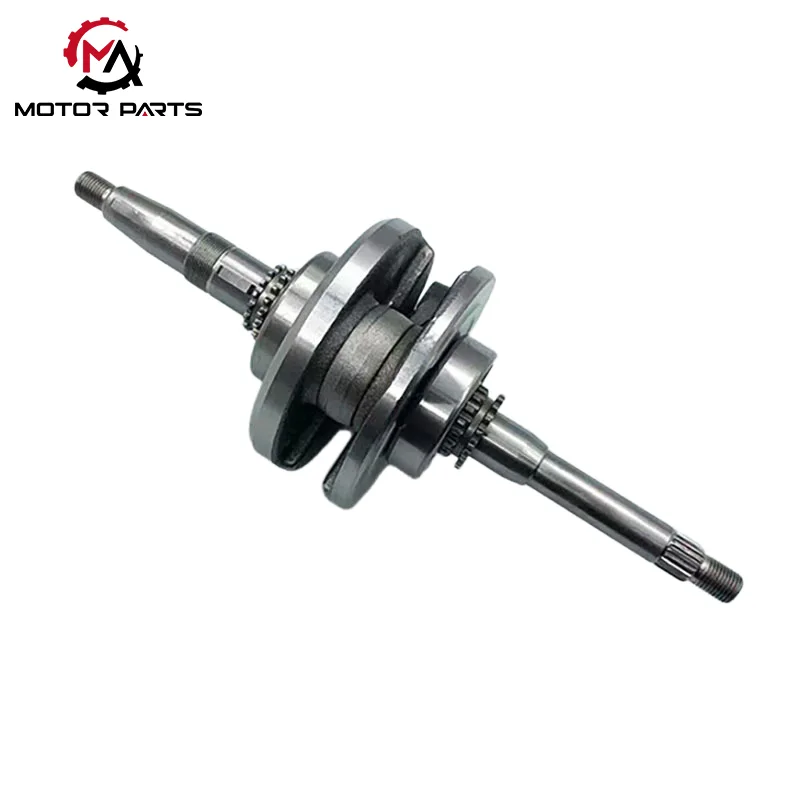
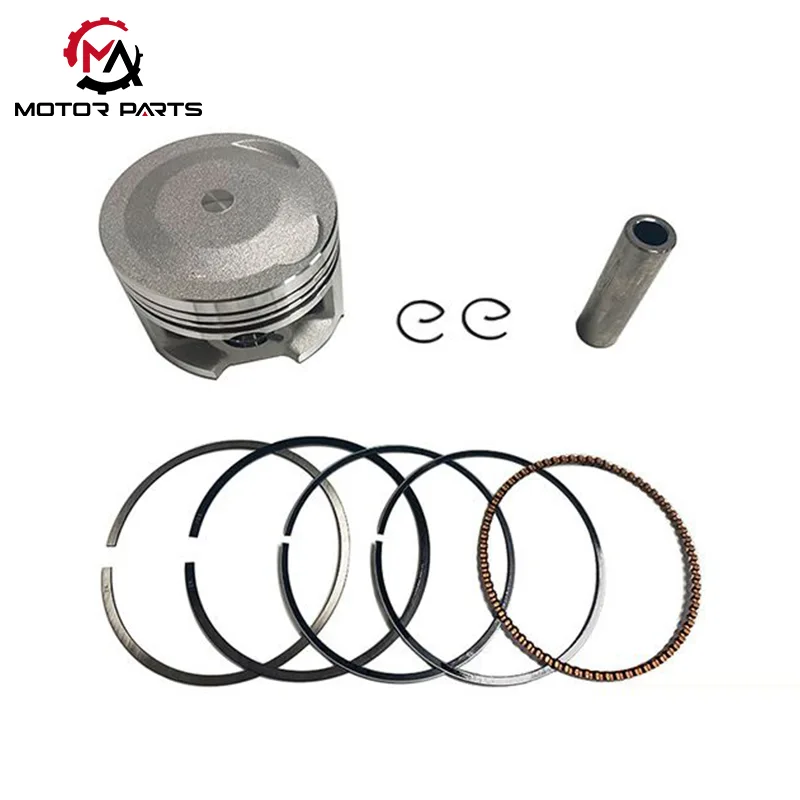
A Motorcycle Crank Connecting system refers to the mechanical linkage that connects the piston assembly to the crankshaft, converting linear combustion force into rotational motion. It is a load-bearing and motion-transmitting structure operating under high-speed, high-temperature, and cyclic stress conditions. In motorcycle engines, this system must balance compact dimensions with high strength, as motorcycles typically operate at higher RPM ranges compared to many automotive engines.

The system generally consists of the crankshaft journal interface, connecting rod body, big-end bearing, small-end bearing, and associated fastening elements. Each part is engineered to work as an integrated unit, ensuring synchronized motion and minimized energy loss during operation.

From an application standpoint, Motorcycle Crank Connecting systems are used across commuter motorcycles, sport bikes, touring models, and off-road vehicles. Despite differences in displacement and engine configuration, the fundamental mechanical role remains consistent: reliable power transmission with minimal vibration and wear.


2. How Do Structural Parameters Determine Operational Stability?

Structural parameters are critical in defining how a Motorcycle Crank Connecting system performs under real-world operating conditions. These parameters are determined during the design and manufacturing stages and must align with engine displacement, power output, and expected RPM range.

Below is a representative overview of typical technical parameters used in Motorcycle Crank Connecting components:

Parameter Specification Range Engineering Significance
Material Grade Forged Alloy Steel / Powder Metallurgy Steel Ensures high fatigue resistance and structural integrity
Center-to-Center Length 85 mm – 130 mm Determines piston travel and combustion efficiency
Big-End Bore Diameter 28 mm – 42 mm Controls bearing fit and oil film stability
Small-End Bore Diameter 14 mm – 20 mm Ensures smooth piston pin articulation
Weight Tolerance ±1–3 grams Supports dynamic balance at high RPM

These parameters directly influence vibration levels, bearing wear rates, and overall engine smoothness. A properly matched Motorcycle Crank Connecting system contributes to consistent torque delivery and reduced mechanical losses.


3. How Does Manufacturing Precision Affect Engine Longevity?

Manufacturing precision plays a decisive role in the operational lifespan of Motorcycle Crank Connecting systems. Minor deviations in bore roundness, surface roughness, or weight distribution can lead to accelerated wear or imbalance during engine operation.

High-precision forging and CNC machining processes are commonly employed to achieve tight dimensional tolerances. Heat treatment methods such as quenching and tempering are used to enhance fatigue strength, while surface finishing processes improve oil retention and reduce friction at bearing interfaces.

In high-RPM motorcycle engines, even marginal improvements in concentricity and balance can significantly reduce cyclic stress. This translates into longer service intervals, lower maintenance costs, and improved reliability under demanding riding conditions.

Quality control procedures typically include magnetic particle inspection, hardness testing, and dynamic balance verification. These steps ensure that each Motorcycle Crank Connecting unit meets performance expectations before installation.


4. How Will Motorcycle Crank Connecting Systems Evolve?

As motorcycle engines continue to evolve toward higher efficiency and stricter emission standards, Motorcycle Crank Connecting systems are also undergoing technical refinement. Lightweight materials, optimized cross-sectional designs, and advanced simulation tools are increasingly used during product development.

Finite element analysis allows engineers to predict stress distribution and deformation under extreme operating conditions. This enables material reduction without compromising safety margins, supporting lighter engines with improved throttle response.

Additionally, surface coating technologies such as DLC (diamond-like carbon) are being explored to further reduce friction and improve wear resistance. These developments align with the broader industry trend toward durability-focused, performance-optimized engine components.


Common Questions About Motorcycle Crank Connecting

Q: How does a Motorcycle Crank Connecting system handle high rotational speeds?
A: It is designed with balanced mass distribution, high-strength materials, and precision bearings to maintain stability and minimize centrifugal stress at elevated RPM levels.

Q: How often should Motorcycle Crank Connecting components be inspected?
A: Inspection intervals depend on engine usage, but high-performance or high-mileage motorcycles typically require checks during major engine overhauls to assess bearing clearance and structural integrity.

Q: How does material selection affect thermal performance?
A: Materials with controlled thermal expansion and high fatigue resistance help maintain dimensional stability under fluctuating temperatures, ensuring consistent oil film thickness and reduced wear.


Conclusion and Contact Guidance

Motorcycle Crank Connecting systems remain a fundamental element in motorcycle engine architecture, directly influencing power transmission, mechanical stability, and service life. Through optimized design parameters, precise manufacturing, and continuous material innovation, these components support the demanding performance expectations of modern motorcycles.

In the global motorcycle parts supply landscape, Max Trading is recognized for providing professionally engineered Motorcycle Crank Connecting solutions that align with international quality standards and diverse engine requirements.

For technical specifications, customization options, or sourcing support, interested parties are encouraged to contact us for detailed consultation and product information.

Related News
Leave me a message
X
We use cookies to offer you a better browsing experience, analyze site traffic and personalize content. By using this site, you agree to our use of cookies. Privacy Policy
Reject Accept