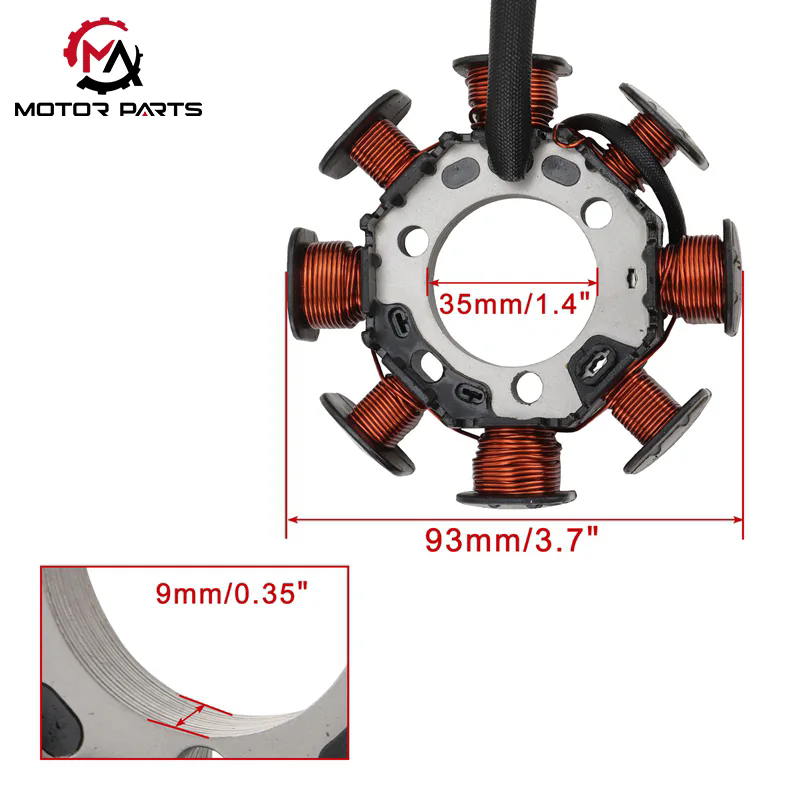
Motorcycle Ignition Accessories play a decisive role in engine starting efficiency, combustion stability, and long-term riding reliability. This article provides a structured and technical overview of motorcycle ignition accessories, focusing on how these components function together within ignition systems, how to evaluate their parameters, and how they respond to evolving riding demands and regulatory environments.
Motorcycle Belt Drives are increasingly preferred over traditional chain drives due to their durability, efficiency, and low maintenance. This article provides a comprehensive exploration of belt drive systems, detailing specifications, technical parameters, FAQs, applications, and key industry insights. Readers will gain practical knowledge on selecting, maintaining, and understanding motorcycle belt drives to maximize performance and longevity.
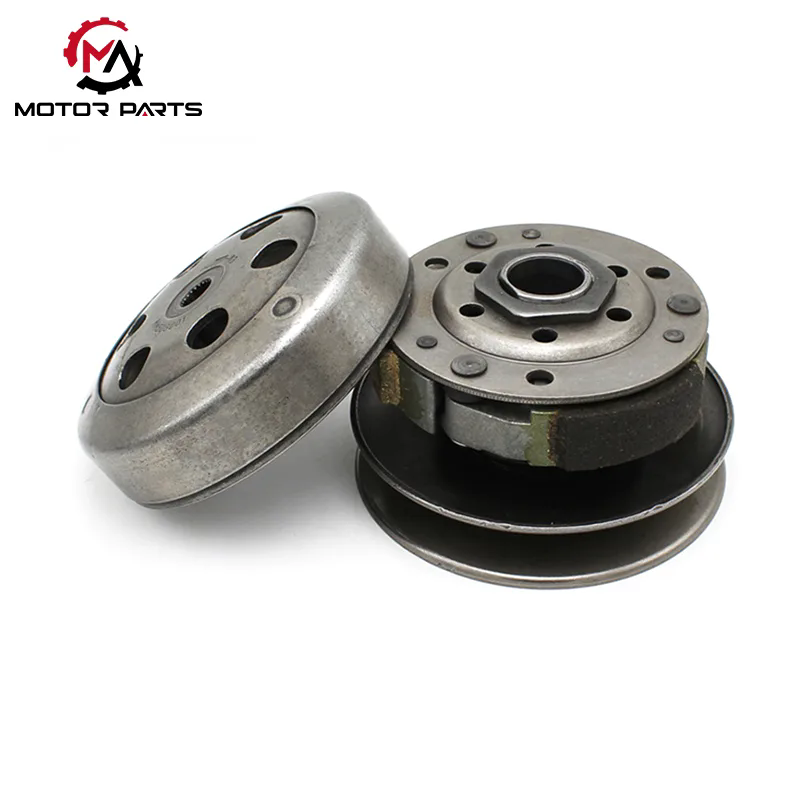
This comprehensive guide provides detailed insights into Motorcycle Clutch systems, exploring how they operate, their critical specifications, and the factors influencing their selection. It is designed for riders, mechanics, and enthusiasts seeking in-depth knowledge about clutch performance, types, and maintenance. Additionally, this article addresses frequently asked questions to clarify common technical uncertainties, helping users make informed decisions when selecting a motorcycle clutch.
A motorcycle crank connecting system is a core mechanical assembly that directly determines how effectively engine power is generated and transmitted. This article provides a structured and technical overview of Motorcycle Crank Connecting components, explaining how they operate, how they are engineered, and how they evolve alongside modern motorcycle engines. The discussion focuses on structural design, operating principles, material specifications, performance relevance, and future development trends, while also addressing common technical questions frequently raised by engineers, mechanics, and procurement professionals.
Motorcycle Air Distribution refers to the engineered process of managing, directing, and optimizing airflow within a motorcycle system to support engine combustion efficiency, thermal balance, rider comfort, and aerodynamic stability. This article provides a comprehensive examination of Motorcycle Air Distribution from a technical and application-driven perspective. It outlines system structure, key parameters, airflow control logic, and long-term development trends while addressing frequently asked industry questions. The discussion is organized into four structured sections to align with search behavior and professional reading habits.
The KTM200 Motorcycle Motor has gained strong recognition among riders and distributors for its balance of power, durability, and efficiency. This comprehensive guide explores what defines the KTM200 motor, how it performs in real-world riding conditions, why it is trusted in multiple markets, and which applications benefit most from this 200cc motorcycle engine. Backed by structured analysis, comparison tables, FAQs, and industry references, this article follows Google EEAT principles and is designed for both technical readers and decision-makers.
We use cookies to offer you a better browsing experience, analyze site traffic and personalize content. By using this site, you agree to our use of cookies.Privacy Policy